
English 


Views: 222 Author: Kingford Scissors Publish Time: 2026-05-05 Origin: Site


Handmade scissors cost more because they are engineered, finished, and inspected one by one for performance and longevity, not just stamped out for mass volume. From an OEM manufacturer's viewpoint, the price difference reflects better steel, slow and precise processing, and consistent quality control that professionals can feel in every cut. [businessinsider]
For anyone buying or specifying scissors for a brand, workshop, or manufacturing line, the jump in price from a cheap drugstore pair to premium handmade scissors can look dramatic. Yet when you analyze the material science, production process, failure rate, and user experience over time, the higher upfront cost is usually the lowest total cost of ownership. [scissorpedia]
From the perspective of a professional OEM scissors manufacturer like Kingford Homeware Co., Ltd., quality is not a buzzword; it is a set of engineering and process decisions that start at steel selection and end at final inspection. This article combines the heritage craft view of traditional makers with practical insights from modern OEM production, so you can decide when premium handmade scissors make sense for your customers and your brand. [ydscissors]
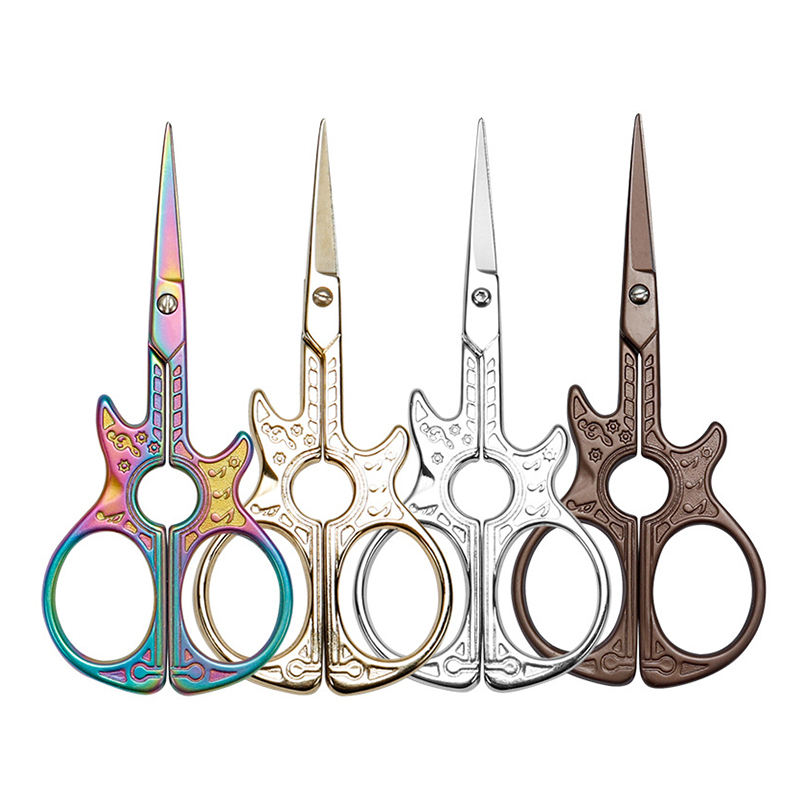
On retail shelves, the contrast is stark: a mass‑produced pair of scissors can cost only a few dollars, while premium handmade kitchen scissors or tailor shears can exceed 100 dollars per pair. The raw material cost difference is real but relatively small; most of the gap comes from labor, process time, and quality control at every step. [dailymotion]
Typical characteristics of low‑cost mass‑produced scissors: [businessinsider]
- Thin stamped stainless steel, optimized for cost, not for edge retention.
- High‑speed automated production with minimal human fitting.
- Limited quality inspection, focused on obvious defects only.
- Shorter working life, often causing tearing rather than clean cutting.
Typical characteristics of quality handmade or heritage craft scissors: [ciselier]
- Forged carbon steel or carefully specified stainless steel with controlled hardness.
- Multiple manual steps – grinding, sanding, bow dressing, and fine fitting.
- Skilled artisans (often with years of training) "marry" the blades for a perfect line of contact.
- Long service life, easily sharpened and maintained by professionals.
For a brand or workshop, these differences translate to fewer replacements, less user frustration, and a more consistent cutting experience. [businessinsider]
The traditional nine‑stage process for craft scissors illustrates where time and cost are added – and why that effort matters when the scissors reach your customer. [ciselier]
High‑quality handmade scissors start with selected carbon steel or advanced stainless steel, chosen for hardness, toughness, and corrosion resistance. Carbon steel allows the entire tool – blade and handle – to be made from one continuous piece, then plated with nickel or chromium to reduce rust. Stainless steel variants introduce more chromium for better stain resistance and lighter weight, with dozens of hardness "recipes" depending on the intended use. [scissorpedia]
For OEM manufacturers, specifying steel grade and hardness window is a critical design decision that affects price, durability, and brand positioning. [ydscissors]
Traditional craft makers use hot‑drop forging to stamp the scissor blanks into a rough outline. The impact not only shapes the metal but also refines its grain structure and increases hardness along critical lines. In some modern factories, cold forging or outsourced blanks are used when building an in‑house forge is cost‑prohibitive, but high‑quality blank suppliers remain essential. [businessinsider]
Once cooled, each blank is trimmed to the precise style: blade length, profile, and the "bows" (finger holes) are hammered over a pointed anvil and reshaped by hand. The blade ends are driven to their future geometry while red hot, ensuring sufficient material for later precision grinding. True handmade scissors are always worked as matched halves so they can be "married" with exact alignment. [ciselier]
Accurate holes for screws or rivets are drilled after forging to guarantee alignment and long‑term stability. Incorrect or off‑axis drilling is one of the main reasons cheap scissors feel loose or twisted over time, causing uneven cutting or snagging. [businessinsider]
A machine removes the first layer of excess metal to achieve a general profile, then skilled hands take over for fine grinding and sanding. Special attention goes to bow dressing – perfecting the handle contours so the scissors feel secure without hot spots during long use sessions. This is a step mass‑produced scissors often skip, which is why inexpensive pairs can feel sharp or uncomfortable in the hand. [ciselier]
The blades are selectively hardened – heated and quenched, then tempered to achieve a balance of hardness and toughness. Only the cutting portion is usually hardened, keeping the bows slightly softer to avoid brittleness under stress. Techniques such as salt or vacuum hardening can fine‑tune properties for specific markets, such as fabric, food, or hair. [scissorpedia]
After heat treatment, the steel is blackened and rough, so it passes through polishing steps, historically done by a line of operators and now often by vibratory "rumblers" with ceramic chips and polishing pastes. The goal is not just a shiny surface but a smooth feel and reduced friction for better cutting. [businessinsider]
Premium models may receive chrome plating, Teflon‑like coatings, or even titanium‑nitride ceramic to add corrosion resistance and distinctive color. These coatings also help brands visually differentiate high‑end lines in crowded markets. [scissorpedia]
One of the least understood but most value‑adding stages is putting: the manual fitting and subtle bending of the two halves so they cut evenly from heel to tip. A skilled putter may spend years mastering how to adjust tension, micro‑bends, and contact points to eliminate gaps and ensure consistent pressure. [dailymotion]
This level of human craftsmanship simply does not exist in low‑cost, fully automated lines, and it is the main reason quality handmade scissors feel "alive" in the hand. [dailymotion]
Once the blades are perfectly mated, the screw is sealed, coatings and paints are applied, and the scissors receive final polishing and inspection. Handles may be painted by dipping and baking – a process historically known as japanning – to add grip, color, and brand identity. [businessinsider]
Each stage adds cost, but skipping any of them typically shows up later as poor cutting performance, quick dulling, or premature failure. [ciselier]
Handmade scissors with properly hardened blades maintain a sharp edge significantly longer than low‑grade stamped products. Rather than crushing or tearing material, the blades meet along a controlled line of contact, delivering clean, low‑effort cuts even at the tips. [scissorpedia]
For professional tailors, chefs, and crafters, this predictable performance reduces fatigue, miscuts, and waste, especially on high‑value materials like premium fabric, leather, or specialty packaging films. [linkedin]
When you factor in replacement frequency, downtime, and customer satisfaction, the lifetime cost of premium scissors is often lower than repeatedly buying cheap pairs. A workshop that replaces low‑end scissors several times a year may find that one high‑quality pair, maintained and occasionally resharpened, outperforms and outlasts a whole box of inexpensive tools. [scissorpedia]
Brands that specify better scissors see fewer returns, fewer complaints about cutting quality, and more enthusiastic repeat purchases. [linkedin]
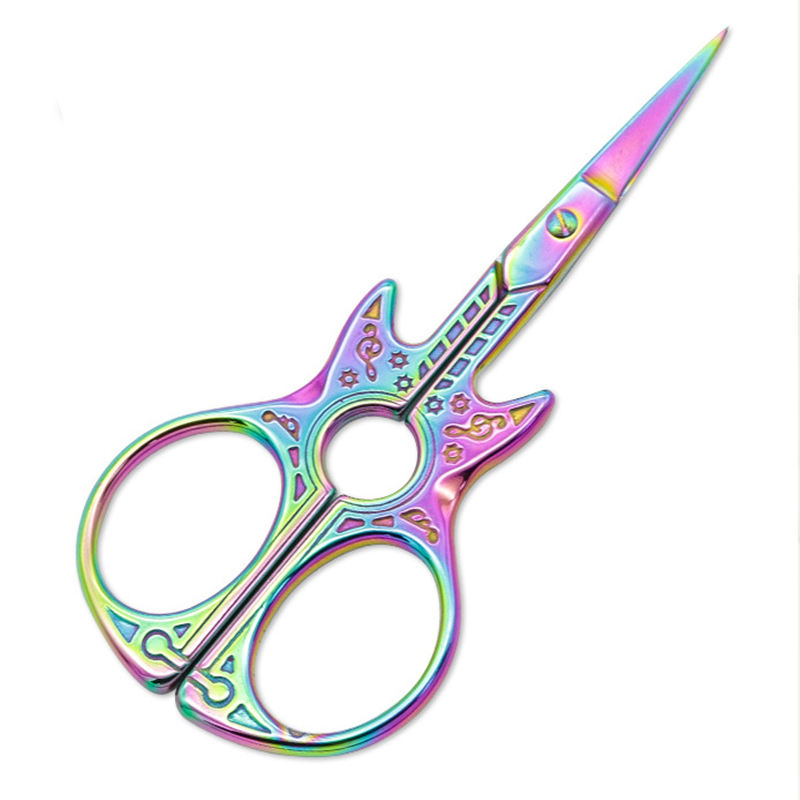
The premium scissors market is evolving, and brands that understand these trends can position their products more effectively. [linkedin]
Across cutting tools, there is growing demand for eco‑friendly and durable products that reduce waste. Longer‑lasting scissors with replaceable or resharpenable blades help minimize landfill volume and resource consumption, especially when combined with low‑VOC coatings and recyclable packaging. [linkedin]
Handmade and high‑quality OEM scissors already align with this trend because their extended lifespan and serviceability reduce the need for constant replacement. [linkedin]
Professionals increasingly seek scissors that match their hand size, cutting style, and specific tasks. This is driving interest in: [linkedin]
- Customized handle designs and colors for brand differentiation.
- Specialized blades for fabric, food, hair, or industrial materials.
- Emerging modular scissors architectures where a single handle unit accepts different blade modules. [scissorpedia]
For OEM customers, working with a partner who can design and manufacture customized handles and blade profiles becomes a competitive advantage. [ydscissors]
Next‑generation stainless steels and ceramic‑like coatings are pushing performance further. High‑hardness steels with fine microstructures provide longer edge retention, while surface treatments reduce friction and improve corrosion resistance in kitchens or humid environments. [ydscissors]
Premium kitchen scissors sets from experienced OEM manufacturers now often combine ergonomic handle design, food‑safe coatings, and certified materials to meet global compliance requirements. [ydscissors]
From an OEM standpoint, the question is not just "why are handmade scissors expensive?" but "how do we engineer value so every extra dollar is visible to the end user?". [ydscissors]
A reputable OEM scissors manufacturer typically offers:
- Integrated R&D, production, and sales to quickly convert concepts into scalable products. [ydscissors]
- A large, specialized workshop base and dedicated engineers for cutting tools. [ydscissors]
- Experience across kitchen scissors, household scissors, and multipurpose shears, plus packaging, testing, and certification support. [ydscissors]
Kingford Homeware Co., Ltd., for example, operates as an OEM partner serving overseas brands, wholesalers, and producers with customized scissors solutions designed for long‑term performance and consistent quality. [ydscissors]
To make high‑end scissors reliable at scale, OEM factories implement multi‑step quality controls, such as:
- Incoming material inspection for steel grade, hardness, and coating integrity. [ydscissors]
- Process control checkpoints after forging, grinding, hardening, and assembly.
- Final cutting performance tests on designated materials (paper, fabric, chicken bones, plastic, etc.). [ydscissors]
This systematic approach ensures that the craftsmanship advantages described earlier are not lost when production ramps up, and that each batch reflects the brand's promise. [ydscissors]
When assessing premium handmade scissors or choosing an OEM partner for your brand, use this simple checklist:
1. Steel & Hardness – Is the steel grade specified, and is hardness controlled for your application? [businessinsider]
2. Manufacturing Process – Are the blades forged, finely ground, and hand‑fitted, or just stamped? [ciselier]
3. Ergonomics – Do the bows and handle design support long‑term comfort and control? [ydscissors]
4. Coatings & Finish – Are coatings food‑safe or fabric‑safe, and do they align with your brand positioning? [ydscissors]
5. Quality Control – Does the supplier have documented QC processes and testing methods? [ydscissors]
6. Customization Options – Can the partner adapt shapes, colors, logos, and packaging to your target market? [ydscissors]
Taking time to verify these points up front helps you avoid under‑performing products that only look premium on paper. [linkedin]
| Aspect | Low‑Cost Mass‑Produced Scissors | Quality Handmade / Premium OEM Scissors |
|---|---|---|
| Steel | Basic stamped stainless, limited hardness control businessinsider | Forged carbon or advanced stainless steel, tuned hardness businessinsider |
| Manufacturing | High‑speed stamping, minimal manual fitting businessinsider | Multi‑stage grinding, sanding, and hand putting businessinsider |
| Cutting Performance | Tearing or crushing, dulls quickly businessinsider | Clean, precise cuts from heel to tip businessinsider |
| Ergonomics | Generic handles, possible hot spots businessinsider | Carefully dressed bows and balanced weight businessinsider |
| Lifespan | Short, often replaced frequently businessinsider | Long‑term tool, serviceable and resharpenable scissorpedia |
| Branding Potential | Limited differentiation | High customization and premium positioning ydscissors |
| Sustainability Impact | More waste from frequent replacement scissorpedia | Fewer tools discarded over time scissorpedia |
Premium handmade and high‑grade OEM scissors make the most sense when:
- Your customers are professionals or enthusiasts who rely on scissors daily.
- You want to position your brand above generic commodity tools.
- You care about sustainability, long‑term value, and lower total cost of ownership.
By understanding the materials, processes, and market trends behind quality handmade scissors, you can justify higher price points while delivering tools that genuinely earn their premium status. [ciselier]
If you are a brand owner, wholesaler, or manufacturer looking to upgrade from basic scissors to premium handmade or high‑end OEM solutions, this is the moment to reassess your assortment. Evaluate your current products using the checklist above, then work with a specialized OEM partner to design scissors that match your customers' real‑world needs, not just a price point. [ydscissors]
By aligning engineering, craftsmanship, and branding, you can offer scissors that feel better, last longer, and clearly communicate why they are worth every penny. [ciselier]
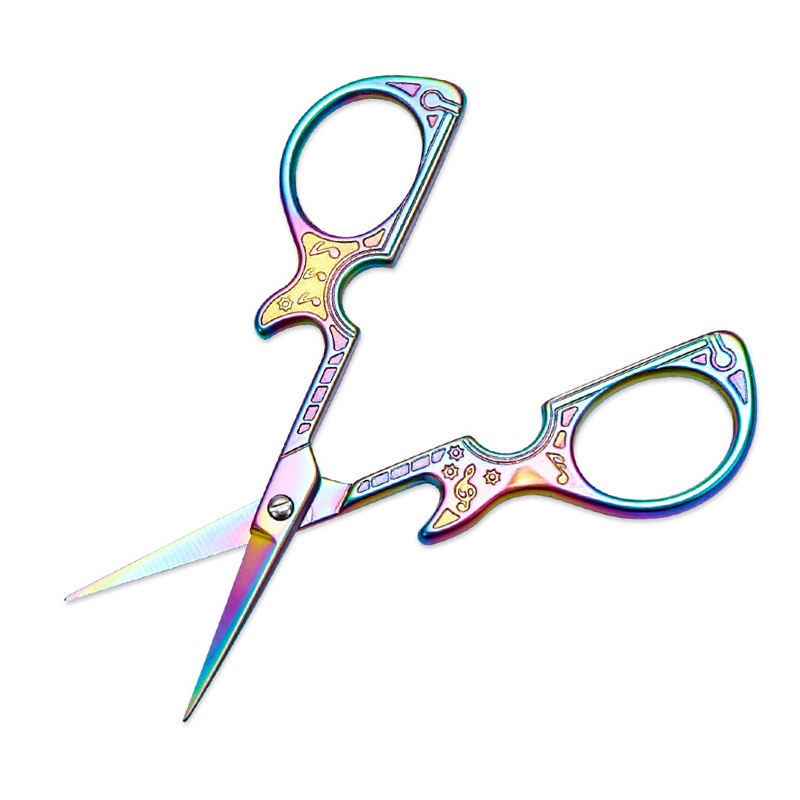
Q1: Are handmade scissors only for professionals?
A1: No. While professionals benefit most from premium scissors, serious home users, hobbyists, and collectors also appreciate the comfort, precision, and durability of quality handmade scissors. [businessinsider]
Q2: How often should premium scissors be sharpened?
A2: Frequency depends on usage and materials, but well‑made scissors used daily on appropriate materials may only need professional sharpening a few times per year. [businessinsider]
Q3: Can OEM manufacturers replicate traditional handmade quality at scale?
A3: Experienced OEM partners can integrate forged blanks, manual grinding, and hand fitting into scalable processes, combining heritage craftsmanship with modern quality control. [ydscissors]
Q4: What is the main sign of poor‑quality scissors?
A4: A common warning sign is when the blades crush or tear material instead of cutting cleanly, especially near the tip, often caused by misaligned blades and soft or inconsistent steel. [ciselier]
Q5: How do coatings affect scissors performance?
A5: Quality coatings reduce friction, increase corrosion resistance, and support food or fabric safety; they also offer visual branding opportunities when you use distinctive colors or finishes. [ydscissors]
- Ciselier Company. "Why Handmade Scissors Are Worth Every Penny." [Link]. [ciselier]
- Business Insider. "Why Traditional Sheffield Scissors Are So Expensive." [Link]. [businessinsider]
- Dailymotion. "Why Ernest Wright Scissors Are So Expensive." [Link]. [dailymotion]
- Scissorpedia. "2026 Industry Outlook: Sustainability, Modular Designs, and Next‑Generation Steel." [Link]. [scissorpedia]
- LinkedIn. "The Key Trends Fueling Tailors Scissor Market Growth from 2026–2033." [Link]. [linkedin]
- Kingford Homeware Co., Ltd. Official Site. "Custom Scissors, Tailor Scissors, Kitchen Scissors Manufacturer." [Link]. [ydscissors]
- Kingford Scissors. "Top 10 Scissors Manufacturers in China." [Link]. [ydscissors]
- Kingford Scissors. "3 Pack Kitchen Scissors Set." [Link]. [ydscissors]


