
English 


Views: 222 Author: Kingford Scissors Publish Time: 2026-04-23 Origin: Site


As a manufacturer that has produced millions of scissors for global brands, I've seen first‑hand how true left‑handed shears can transform comfort, cutting precision, and long‑term hand health for stylists, barbers, and other professionals. [salonshearsdirect]
In this guide, we'll go beyond marketing claims and walk through how to choose the best left‑handed shears for real‑world work — from salon floors to textile lines.

Most left‑handed stylists are still handed "right‑handed" tools and told to adapt. That's not just unfair — it's a risk to their wrists, shoulders, and career longevity. [pmc.ncbi.nlm.nih]
- A true left‑handed person naturally cuts with the left hand and often cannot comfortably switch, even with practice.
- Using right‑handed shears in the left hand forces the wrist into unnatural angles and makes the thumb and fingers fight the tool instead of guiding it. [salonshearsdirect]
- Over time this can contribute to carpal tunnel syndrome and Repetitive Strain Injury (RSI), both of which can shorten a professional's career. [pmc.ncbi.nlm.nih]
Key takeaway: If you are left‑hand dominant, using shears engineered for your hand is not a luxury. It's the baseline for a sustainable career.
True left‑handed shears are re‑engineered, not just "flipped" versions of right‑handed models. [salonshearsdirect]
- Reversed blade geometry
The cutting edges and blade orientation are reversed so that your left‑hand closing motion directs hair into the cutting edge instead of pushing it away. [salonshearsdirect]
- Handle and finger rest placement
Handles, thumb rings, and finger rests are relocated to align with the natural neutral wrist angle of the left hand. [salonshearsdirect]
- Tension screw orientation
The tension system is set so that, in the left hand, the screw faces outward and the shear opens and closes smoothly under a left‑hand grip. [salonshearsdirect]
- Mirror ergonomics, same quality
High‑end left‑handed shears offer the same steel grade, edge technology, price points, and warranty as their right‑hand counterparts when done correctly.
If you hold a shear in your left hand and the thumb blade is on top with the tension screw facing outward, you're likely handling a true left‑hand model. [salonshearsdirect]
As manufacturers, we watch tooling ergonomics closely because poor design comes back as returns, complaints, and — more importantly — injuries.
Using right‑handed shears in the left hand often causes:
- Excessive wrist flexion and deviation
- Compensatory neck and shoulder tension
- Overuse of small finger muscles
Clinical research shows that when left‑handed people use scissors designed for them, the degree of wrist flexion decreases, which reduces musculoskeletal strain. [pmc.ncbi.nlm.nih]
Carpal tunnel syndrome is caused by compression of the median nerve in the wrist, leading to numbness, tingling, and weakness in the hand and arm.
Repeatedly cutting with misaligned tools can accelerate this process:
1. The wrist is forced out of neutral alignment.
2. Tendons and nerve structures are compressed.
3. Micro‑trauma accumulates into chronic symptoms.
RSI describes pain and damage from repetitive movements and overuse, common in hairdressing, tailoring, and manufacturing. [pmc.ncbi.nlm.nih]
Using the wrong shears every day:
- Increases the force required for each cut.
- Multiplies strain across hundreds of cuts per day.
- Raises the risk of early career termination for stylists who can no longer work pain‑free. [pmc.ncbi.nlm.nih]
Bottom line: Left‑handed professionals should not "tough it out" with right‑handed shears. Long‑term, that "adaptation" can be costly.
From our experience supplying shears to brands worldwide, comfort and steel quality are the two non‑negotiables. [purespadirect]
- Blade style
- Convex edge: smoother, sharper cut, ideal for advanced techniques.
- Beveled edge: more durable, good for basic cutting and beginners. [buybarber]
- Steel quality
- High‑quality Japanese stainless or cobalt‑infused steel holds an edge longer and delivers cleaner, more controlled cuts. [buybarber]
- Cobalt infusion further improves hardness and sharpness retention, which is critical for heavy salon use. [purespadirect]
The right handle can dramatically reduce fatigue, especially for lefties who cut all day.
Common ergonomic options include: [salonshearsdirect]
- Offset handle
Brings the thumb forward into a natural cutting position, reducing strain and allowing a relaxed hand posture.
- Crane handle
Drops the elbow and keeps the wrist more neutral, which is especially helpful for overhead or long‑duration cutting. [salonshearsdirect]
- Swivel handle
Allows the thumb to pivot independently, reducing shoulder and wrist stress for stylists who cut for hours. [salonshearsdirect]
- Classic (straight) handle
Traditional feel, but less ergonomic. Better for short periods of use.
Professional left‑handed shears should offer:
- Multiple lengths (e.g., 5.0", 5.5", 6.0", 6.5", 7.0") to suit hand size and cutting style.
- Lightweight construction to minimize fatigue over long shifts.
- Well‑balanced design so weight is evenly distributed between handle and blade, improving control. [buybarber]
- Finger rest: removable or permanent options for better support.
- Tension adjustment: easy‑to‑use screws for fine‑tuning the feel of the cut.
- Lifetime or extended warranties: signal confidence in materials and manufacturing. [purespadirect]
One of the most consistently recommended models for left‑handed stylists is the Matsui Aichei Mountain Shear in a true left‑hand configuration.
- High‑quality cobalt‑infused steel that stays sharper for longer, ideal for demanding salon schedules. [buybarber]
- Mountain blade profile that pushes hair onto the razor‑sharp edge and keeps it from slipping or bending away during cutting.
- Excellent for point cutting, feathering, and texturizing, where precision and control matter. [buybarber]
- Offset handle that encourages a natural thumb position, reducing the risk of hairdressing‑related injuries.
Because each shear is tested before being released into collections, left‑handed stylists benefit from consistent quality without having to trial multiple pairs themselves.
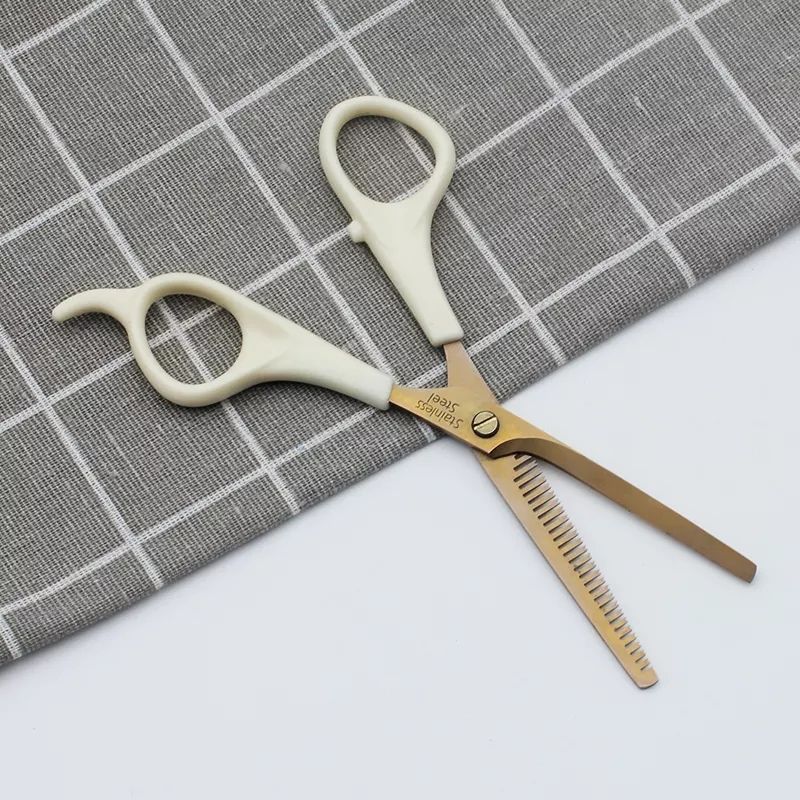
Technically, yes. Practically and ergonomically, you probably shouldn't. [salonshearsdirect]
- There is no law against left‑handed stylists using right‑handed shears.
- But if you do so repeatedly, you're working against the tool instead of with it.
- Over time, this can increase your risk of carpal tunnel and RSI, as explained earlier. [pmc.ncbi.nlm.nih]
Think of it like driving:
- Using left‑hand shears as a lefty is like driving on the correct side of the road in your own country.
- Using right‑hand shears with your left hand is like driving a foreign‑market car on the wrong side: possible, but awkward, tiring, and not designed for you.
Some brands treat "left‑handed" as a premium label and charge significantly more for nearly identical designs.
From an OEM manufacturing standpoint, this is unnecessary:
- The incremental cost of producing a left‑hand variant is mainly in tooling and design, not material. [linkedin]
- When production is well planned, left‑handed and right‑handed shears can be offered at similar price points without compromising quality.
As a manufacturer (Kingford Homeware Co., Ltd.), we advocate that left‑handed professionals should not be penalized for their dominant hand. When we design for brands, we recommend:
- Matching steel grades and finishes between right‑ and left‑handed lines.
- Keeping pricing aligned and transparent.
- Offering the same warranty terms across both versions. [linkedin]
Left‑handed shears sit within the broader hand scissors and personal grooming tools market, which continues to expand. [dataintelo]
- The global hand scissors market was estimated at around USD 3.5 billion in 2023 and is projected to grow at a CAGR of about 5.2% from 2024 to 2032. [linkedin]
- The broader left‑handed scissors segment alone was valued at approximately USD 305 million in 2024 and is projected to reach about USD 525 million by 2033, at a CAGR of 6.3%. [dataintelo]
Drivers behind this growth include:
- Increased awareness of ergonomics and workplace safety.
- Rising demand from salons, barbershops, and DIY grooming.
- Brand differentiation through inclusive product lines that explicitly support left‑handed users. [dataintelo]
For OEM buyers, this is a clear signal: left‑handed product lines are no longer optional. They're a real opportunity for growth and customer loyalty.
No shear, however well designed, will perform for long without basic maintenance. [purespadirect]
1. Clean after each use
Wipe blades with a soft cloth and use appropriate disinfectant to prevent product buildup and corrosion. [salonshearsdirect]
2. Oil the pivot regularly
A small drop of shear oil in the pivot area keeps movement smooth and protects against wear. [salonshearsdirect]
3. Check and adjust tension
Blades that are too loose fold hair; too tight and they cause excess hand fatigue. Adjust tension so the blades close smoothly without dropping open or binding. [purespadirect]
4. Sharpen professionally
Always use a certified sharpener experienced with true left‑hand geometry. Incorrect sharpening can destroy blade angles and shorten tool life. [purespadirect]
Consistent care not only extends the life of the shear but also maintains cutting quality and reduces the force needed for each cut, which protects your joints over time.
| Aspect | Left-Handed Shears (for Lefties) | Right-Handed Shears (used in Left Hand) |
|---|---|---|
| Wrist posture | More neutral, reduced flexion and deviation (pmc.ncbi.nlm.nih) | Forced flexion and awkward angles (pmc.ncbi.nlm.nih) |
| Cutting efficiency | Hair moves into cutting edge, cleaner cuts (salonshearsdirect) | Hair can slip or push away from edge (salonshearsdirect) |
| Hand fatigue | Lower, tool aligns with natural motion (salonshearsdirect) | Higher, user fights the tool |
| Long-term injury risk | Reduced risk of RSI and carpal tunnel (pmc.ncbi.nlm.nih) | Elevated risk over years of use (pmc.ncbi.nlm.nih) |
| Learning curve | Shorter once using true left‑hand tools (salonshearsdirect) | Longer; users adapt with compensations |
| Pricing (best‑practice OEM) | Should match right‑handed equivalent (linkedin) | Standard |
Although this article focuses on hair professionals, left‑handed shears matter in many industries: [linkedin]
- Textile and garment factories: precise cutting of fabric and patterns.
- Packaging and converting: cutting films, labels, and flexible materials.
- Craft and hobby markets: paper, leather, and mixed‑media work.
- Household and office: general‑purpose left‑handed scissors for everyday tasks.
For each of these sectors, OEM buyers can develop left‑handed variants tailored to specific materials and usage patterns, improving both safety and user satisfaction. [dataintelo]
If you're sourcing or developing a left‑handed shear range, consider these practical steps:
- Mirror your best sellers: start by creating left‑hand versions of your top right‑hand models (same steel, finish, and handle family).
- Standardize steel and warranty: align left‑ and right‑hand policies so left‑handed users feel equally valued. [purespadirect]
- Label clearly: distinguish true left‑hand shears clearly on packaging and listings to avoid confusion. [salonshearsdirect]
- Educate your customers: provide simple guides explaining why left‑handed tools reduce injury risk and improve performance. [pmc.ncbi.nlm.nih]
Done correctly, a left‑hand range is not just inclusive — it's a competitive advantage that supports professional users over the long term.
If you are a brand, wholesaler, or manufacturer looking to serve left‑handed professionals better, now is the ideal time to upgrade your shear lineup.
As an experienced OEM shear manufacturer, we can help you:
- Engineer true left‑handed shears that match your right‑hand best sellers.
- Choose the optimal combination of steel, handle design, and blade geometry for your market.
- Maintain fair pricing and strong warranties so left‑handed customers feel genuinely supported.
Get in touch with our team to develop or refine your left‑handed shear range and give your left‑handed users the comfort, precision, and safety they deserve.
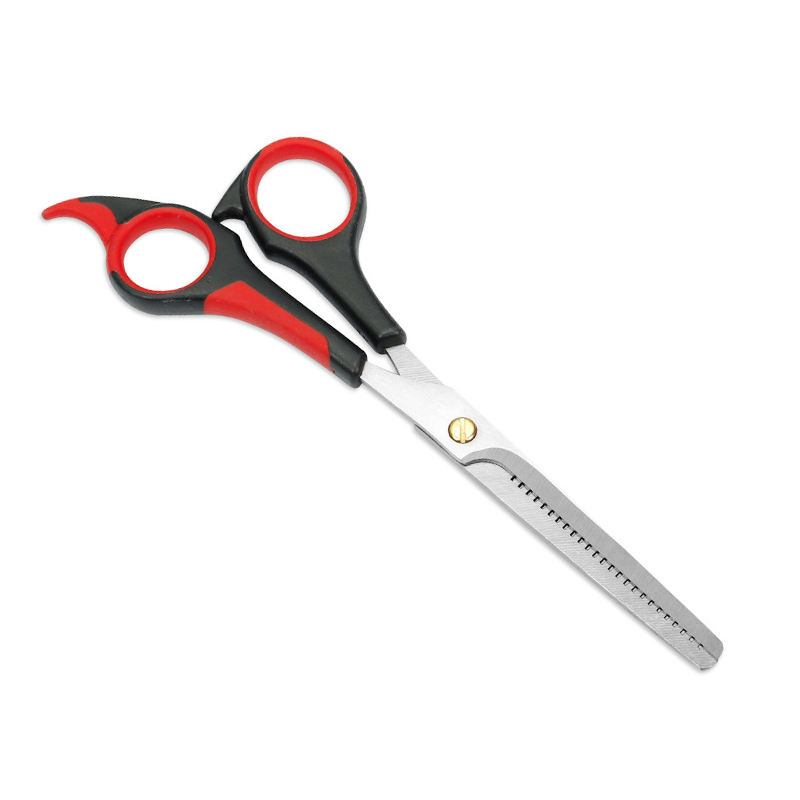
Q1: How do I know if my shears are truly left-handed?
A true left‑handed shear has reversed blade geometry and handle orientation. When held in the left hand, the thumb blade should be on top and the tension screw should face outward. [salonshearsdirect]
Q2: Are expensive left-handed shears always better?
Not always. Higher price often reflects better steel and finishing, but the most important factors are fit, ergonomics, and correct left‑hand design for your work. [purespadirect]
Q3: What length of left-handed shears should I choose?
Most stylists prefer 5.5"–6.0" for general cutting, while 6.5"–7.0" can be better for scissor‑over‑comb and barbering work. Hand size and technique also matter. [buybarber]
Q4: How often should I sharpen my left-handed shears?
It depends on usage, but many professionals sharpen every 3–6 months. Heavy daily use or cutting chemically treated hair may require more frequent sharpening. [purespadirect]
Q5: Do left-handed shears cost more than right-handed ones?
They don't have to. With thoughtful OEM planning, brands can offer left‑handed shears at similar price points to right‑hand versions while keeping the same material and warranty standards. [linkedin]
1. Scissor Tech. "Best Left Handed Shears." (original article content and concepts).
https://scissortec.com/blogs/news/best-left-handed-shears
2. Salon Shears Direct. "Left-Hand Shears: Why Every Left-Handed Stylist Needs the Right Fit."
https://salonshearsdirect.com/blog/lefthand-shears-why-every-lefthanded-stylist-needs-the-right-fit/
3. Dataintelo. "Left Handed Scissors Market Research Report 2033."
https://dataintelo.com/report/left-handed-scissors-market
4. LinkedIn. "Global Hand Scissors Market: Key Statistics and Strategic Forecasts."
https://www.linkedin.com/pulse/global-hand-scissors-market-key-statistics-l1rzf
5. Pure Spa Direct. "Are Expensive Shears Better?"
https://purespadirect.com/blogs/pure-spa-direct-blog/are-expensive-shears-better
6. BuyBarber. "10 Best Hairdressing Scissors for Pro Stylists."
https://buybarber.com/blogs/news/top-10-hairdressing-scissors
7. PMC (PubMed Central). "3D Motion Analysis Comparison of Left Handers' Wrist Flexion When Using Left-Handed vs Right-Handed Scissors."
https://pmc.ncbi.nlm.nih.gov/articles/PMC4395746/
8. Google Patents. "左手用剪刀" (Left-Hand Scissors Patents, CN2299071Y, CN2410095Y).


