
English 


Views: 222 Author: Kingford Scissors Publish Time: 2026-04-16 Origin: Site


As a professional scissors manufacturer serving global brands and wholesalers, I spend every day thinking about how different scissors perform in real homes, salons, workshops and factories—not just how they look in a catalog. When you understand how many types of scissors exist, and how each design is optimized for a specific material or task, you not only work more efficiently but also protect your hands, your time and your finished product. [manufacturing-seo]
In this guide, I will:
- Explain the 32 main types of scissors, grouped into practical categories. [manufacturing-seo]
- Share how professionals actually use them in real life, based on our OEM manufacturing and customer feedback.
- Show you how to choose the right scissors for your application—home, crafts, tailoring, hair, kitchen, garden and industry. [venveo]
- Offer simple maintenance tips so your investment lasts years instead of months. [marketveep]
If you are a buyer, brand owner or serious home user, this is designed as a reference article you can bookmark and come back to whenever you need to specify or purchase a new type of scissor.

Before we dive into 32 types, it helps to understand a few core design features that dramatically change performance. [manufacturing-seo]
The hardness of the steel determines how sharp the blades can get and how long they will stay sharp under heavy use. High-end scissors use alloy steel with a controlled mix of: [manufacturing-seo]
- Carbon (around 1% for hardness and edge retention)
- Chromium (for corrosion and heat resistance)
- Molybdenum and vanadium (for strength, toughness and balance)
- Optional cobalt or titanium (to improve hardness while reducing weight) [manufacturing-seo]
As an OEM manufacturer, we adjust these alloy percentages depending on whether the scissor is meant for fine textiles, thick upholstery, hair, food processing or industrial cutting. [venveo]
On tailoring and dressmaking shears, you often see sidebent handles, where the handles are angled upward so the blades can rest flat on the fabric and table. This geometry improves cutting accuracy, reduces hand fatigue, and prevents lifting the fabric as you cut. [manufacturing-seo]
Most households still rely on one "junk drawer" pair that is dull and used for everything from cardboard to herbs. Professionals—tailors, embroiders, chefs, hairstylists and upholsterers—know that using the wrong tool costs money through waste, rework and injuries. The right specialty scissor: [tiecas]
- Cuts cleaner and faster
- Protects delicate materials
- Extends product life and reduces replacement cost
Below is an at‑a‑glance overview. Later sections explain how to choose among them for your application.
| Category | Typical Length / Form | Main Uses |
|---|---|---|
| General-purpose | 7–8 inch household scissors | Everyday paper, light packaging, crafts. (manufacturing-seo) |
| Sewing & tailoring | 8–12 inch shears, sidebent, pinking | Fabric, dressmaking, pattern cutting. (manufacturing-seo) |
| Embroidery & craft | 3–5 inch, fine tips, stork style | Embroidery, thread snipping, small crafts. (manufacturing-seo) |
| Hair & grooming | 5–7 inch straight, thinning, texturizing | Haircuts, layering, beard grooming. (manufacturing-seo) |
| Kitchen & food | 7–9 inch kitchen, poultry, herb scissors | Food prep, poultry, seafood, herbs. (manufacturing-seo) |
| Garden & bonsai | Bonsai snips, grape scissors | Pruning, harvesting, ornamental trimming. (manufacturing-seo) |
| Upholstery & leather | Heavy sidebent shears | Upholstery, leather, carpets. (manufacturing-seo) |
| Medical & safety | Bandage, trauma, safety scissors | Medical, emergency, child-safe cutting. (venveo) |
| Industrial & craft | Metal, electrician, cigar cutters | Sheet, wire, cigars, workshop tasks. (manufacturing-seo) |
| Specialty / luxury | Ornate collectible, static-cut shears | Collectors, ceremonial or niche use. (manufacturing-seo) |
Most people start and end here—but shouldn't.
Typical features
- Straight blades, moderate hardness
- Plastic or soft-grip handles
- 7–8 inches overall
Best for
- Paper, thin plastic, shipping labels
- Occasional light packaging or craft tasks
From a manufacturer's perspective, these are designed for versatility, not precision. Once a household starts adding sewing, crafting, cooking or gardening into the mix, it becomes necessary to separate tools by material to avoid premature dulling. [venveo]

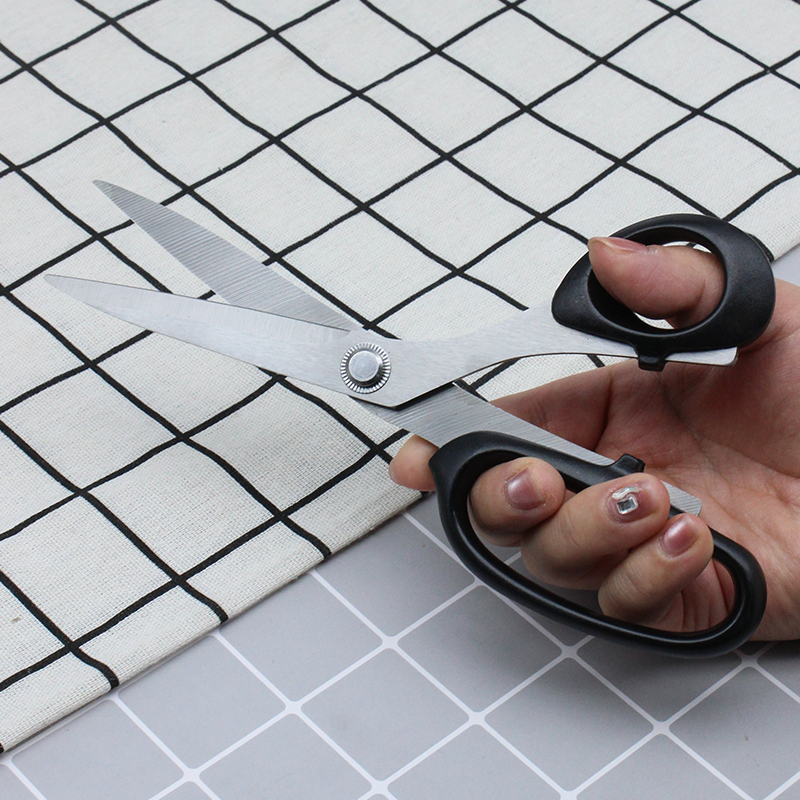
Textiles respond differently to blades than paper or plastic, so professionals rely on a dedicated set of fabric scissors. [manufacturing-seo]
These are the workhorses of any sewing room.
- Length: 8–12 inches
- Design: Sidebent handles, heavy-duty blades with high hardness
- Use: Cutting multiple layers of fabric, following patterns, trimming seams [manufacturing-seo]
The sidebent design keeps the fabric flat on the table for accurate pattern cutting and reduces shifting as you move through long strokes. [manufacturing-seo]
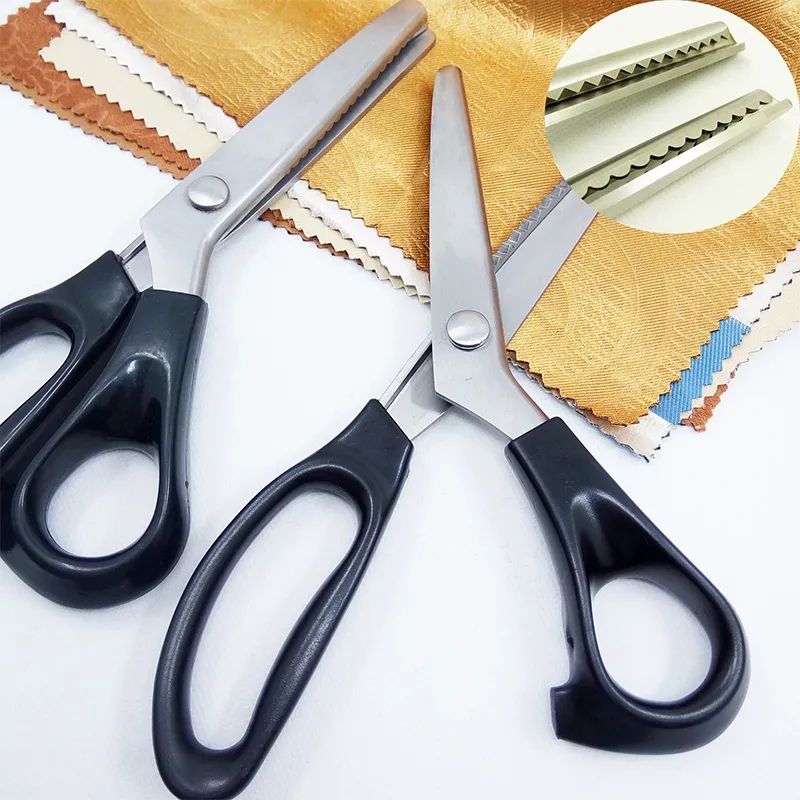
Pinking shears cut a zigzag edge that helps reduce fraying on woven fabrics. [manufacturing-seo]
- Ideal on non-stretch woven materials
- Often used for seam allowances and decorative edges
- Also popular in paper crafting and felt projects
One point manufacturers often stress: if you pink across the bias, the triangular shapes sit on the straight-of-grain, which can actually increase fraying potential on some fabrics, so technique matters. [manufacturing-seo]
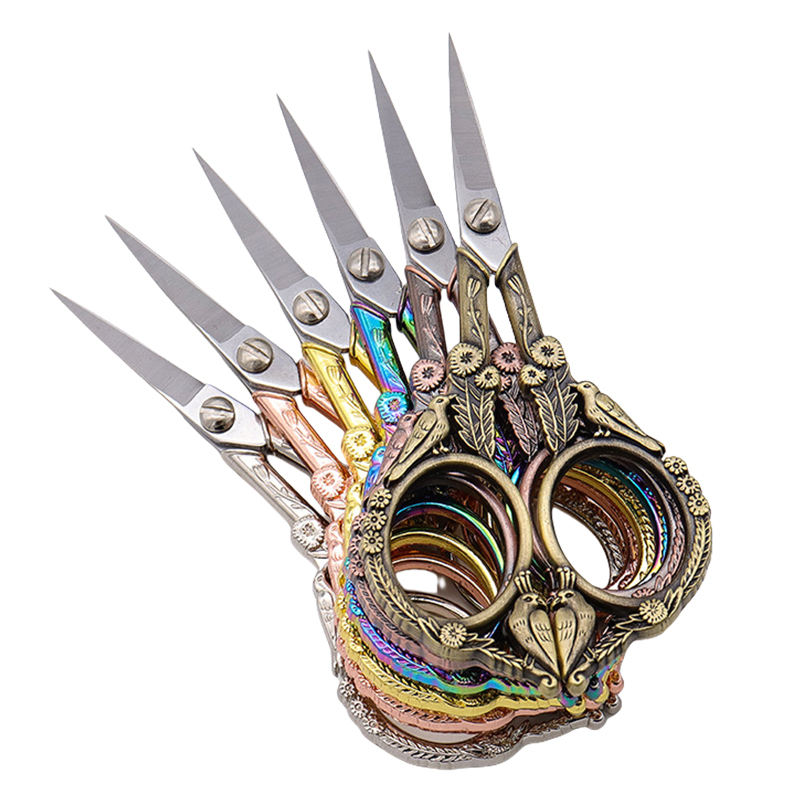
Embroidery scissors are a perfect example of function meeting ornament.
- Length: 3–4 inches
- Features: Slim, sharp tips; sometimes ornate shapes such as a stork motif [manufacturing-seo]
- Use: Precision thread trimming, cutting small appliqués, removing stitches
The famous stork design is often linked to midwives supposedly using them to cut umbilical cords, though historically they may have been associated with clamps rather than true scissors. Today you'll find them in sewing baskets, not delivery rooms. [manufacturing-seo]
- Curved-tip craft scissors for tight curves
- Micro-serrated blades for slippery threads or fine ribbon
- Specialty paper and scrapbooking scissors with decorative edges [venveo]
For OEM projects, we adjust tip geometry, blade thickness and surface finish depending on whether the end customer is working with cotton thread, metallic embroidery floss or delicate paper stock.
When you move from shirts to sofas, everything changes.
Key characteristics
- Thicker, heavier blades with maximum cutting edge hardness
- Long cutting length for passing through many layers
- Strong pivot and screw construction to handle force [manufacturing-seo]
Professional upholsterers and automotive interior manufacturers rely on these tools to cut:
- Multiple fabric layers
- Webbing and strapping
- Leather and synthetic leather
- Carpeting and heavy underlay [venveo]
As manufacturers, we pay special attention to edge retention here, since blunt blades on heavy materials quickly become a safety issue and a cost driver.
In hairdressing, the wrong scissor doesn't just feel bad; it shows in every haircut.
- Precision-ground blades for extremely smooth shearing
- Ergonomic offsets or crane handles to reduce wrist strain
- Optimized hardness for frequent sharpening cycles
Often called hair thinners, texturing or chunking shears, these have teeth on one or both blades. [manufacturing-seo]
- They remove only a portion of the hair with each cut, creating softness and layers.
- Barbers use different tooth densities for subtle blending versus dramatic debulking. [manufacturing-seo]
For OEM customers in the consumer grooming market, we often assemble kits with:
- Straight cutting shears
- Thinning shears
- Nose/ear safety scissors
- Comb and maintenance tools
This helps brands deliver a complete solution for home users looking to extend time between salon visits.

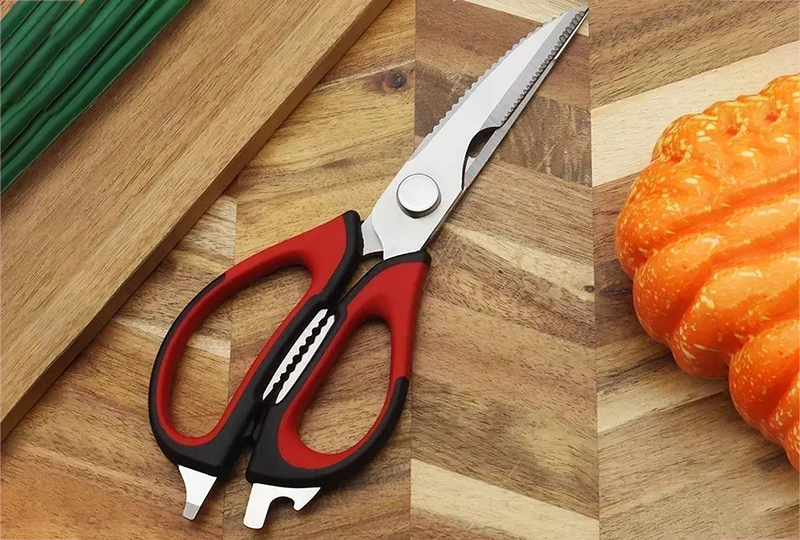
Kitchen scissors have quietly become one of the most‑used tools in modern cooking.
Common types
- General kitchen scissors: Multi-purpose, for packaging, herbs, small bones.
- Poultry shears: Strong, curved blades and locking handles for cutting through joints and carcasses.
- Seafood and shellfish scissors: Narrow tips, sometimes with micro-serration to grip shells.
Professional kitchens and serious home cooks look for disassemblable designs for hygienic cleaning, high corrosion resistance, and a balance between hardness and toughness so edge holds under bone contact. [venveo]
Garden scissors bring together horticultural tradition and precise engineering.
Some bonsai enthusiasts have paid up to tens of thousands of dollars for rare, handcrafted bonsai snips, reflecting both their cutting performance and collector value. These are designed to: [manufacturing-seo]
- Make clean cuts on small branches
- Avoid crushing plant tissue
- Offer fine control even in dense foliage
Historically, grape scissors were ornate table tools used by diners who couldn't "possibly" touch grapes with their fingers (or risk sticky gloves). [manufacturing-seo]
- Highly decorative, often gold or silver plated
- Short blades designed to snip grape stems at the table
- Today, mostly a luxury or gift item rather than an everyday necessity [manufacturing-seo]
As an OEM manufacturer, we still see demand for these in the heritage homeware and gifting segment, particularly from European and North American brands.

Some scissors live far away from kitchens and sewing rooms.
Cigar cutters technically fall into the scissor and guillotine family of cutters. A famous example: in 1999, basketball legend Michael Jordan reportedly injured his index finger while handling a cigar cutter, an accident significant enough that it may have contributed to a later retirement decision. This story underlines a key industrial design lesson—safety and ergonomics are not optional. [manufacturing-seo]
In the past, some heavy static-cut designs used a moving top blade against a fixed lower blade; they could weigh around 2 kg (about 4.5 lbs). These are now mainly collectors' items, but they illustrate: [manufacturing-seo]
- How far manufacturing has come in balancing weight and durability
- Why modern alloy steels are preferred for professional use
In an OEM context, we supply or design:
- Sheet metal scissors and aviation snips
- Electrician's shears for cable and Kevlar
- Industrial textile and composite scissors
These tools demand specific steels, grind angles and handle insulation depending on safety and performance needs. [venveo]

From a buyer's perspective—whether you are specifying for a brand, ordering OEM production or equipping a workshop—start with material, frequency of use and ergonomics. [tiecas]
1. Define the primary material
- Fabric type (cotton, denim, silk, technical textiles)
- Food (meat, poultry, shellfish, herbs)
- Hair, paper, leather, composites
2. Estimate frequency and environment
- Daily professional use vs. occasional home use
- Dry vs. high-humidity or corrosive environments (kitchen, factory floor)
3. Choose blade hardness and steel grade
- Higher hardness for durable edge on textiles and hair
- Balanced hardness and corrosion resistance in the kitchen or outdoors [manufacturing-seo]
4. Select the right geometry
- Sidebent for tailoring and upholstery
- Curved or pointed tips for embroidery and bonsai
- Safety-tip designs for medical or child use
5. Assess ergonomics and safety
- Handle shape, finger rest, grip material
- Locking mechanisms on heavy-duty and kitchen models
- Compliance with relevant safety standards for your market [venveo]
A well‑made pair of scissors can last many years if users follow basic care routines. [marketveep]
Practical maintenance tips
- Reserve separate scissors for fabric, paper, food and metal to avoid premature dulling.
- Wipe blades after use, especially with food or plant material, and dry thoroughly.
- Apply a light oil at the pivot occasionally to maintain smooth action.
- Have professional sharpening done at recommended intervals, based on hours of use and material hardness.
From a manufacturer's standpoint, clear maintenance instructions also support brand trust and reduced warranty claims, aligning with Google's E‑E‑A‑T focus on helpful, experience‑based content. [getpassionfruit])
A reader of the original article commented that it was "99% of a great article but WHY ISN'T THERE A PICTURE FOR EACH ONE??" This is a perfect example of experience-based feedback that Google's E‑E‑A‑T framework encourages brands to act on. [productiveblogging]
As a manufacturer and content strategist, I recommend making that feedback visible by:
- Structuring the blog so each type or category of scissors has its own image.
- Using clear alt text (e.g., "8-inch sidebent tailor's shears for wool fabric") to support accessibility and SEO.
- Highlighting that the article has been updated based on real customer feedback, which builds trust. [foremostmedia]
As an integrated R&D, production and sales scissors factory, we work with international brands, wholesalers and manufacturers to create private label and OEM lines that match their market positioning and technical requirements. [venveo]
Typical support we provide includes:
- Recommending the right steel and hardness for your target application and price point
- Developing category‑based assortments (e.g., "complete sewing set" or "professional kitchen kit")
- Customizing handle shapes, colors, surface treatments and branding
- Advising on packaging and on‑product messaging that educates end users and reduces returns
This deep, day‑to‑day experience with how scissors are designed, manufactured and used in the field is what underpins the recommendations in this guide, and aligns closely with Google's expectations for experience, expertise, authoritativeness and trustworthiness. [getpassionfruit])

1. Why do my fabric scissors get dull so quickly?
Most likely, they are being used on paper, cardboard or plastic as well as fabric, which quickly damages the fine edge optimized for textiles. Keep one dedicated pair strictly for fabric and choose a high‑hardness alloy steel if you cut daily. [venveo]
2. Are more expensive scissors always better?
Not always. They are usually made from higher‑grade steel with tighter tolerances, but the key is matching the scissor to the material and frequency of use. A mid‑range professional tool that suits your exact application can outperform a premium tool used incorrectly. [marketveep]
3. How often should professional scissors be sharpened?
This depends on hours of use and material, but many tailors, stylists and upholsterers schedule sharpening every 3–6 months, with more frequent maintenance for heavy industrial or salon use. Follow manufacturer guidance for best results. [marketveep]
4. What should OEM and private-label buyers focus on beyond price?
Focus on steel composition, hardness, ergonomics, QC process and after‑sales support. Request samples under real‑world conditions, and look for suppliers who can explain design trade‑offs in detail, not just deliver a quote. [venveo]
5. How can I quickly explain scissor differences to end customers online?
Use a simple comparison table, short bullet‑point use cases, and one clear photo per type, supported with concise, experience-based descriptions like the ones in this article. This helps both search engines and buyers understand your lineup. [tiecas]
1. Ciselier. "The definitive guide to 32 types of scissors." Accessed April 2026. <https://ciselier.com/blogs/news/this-is-blog-1> [manufacturing-seo]
2. Manufacturing SEO: Content strategy and long‑form best practices for industrial brands. [bigmarketing]
3. Venveo. "SEO For Manufacturing: Best Ways For Manufacturers To Attract More Customers." [venveo]
4. Foremost Media. "Google's E‑E‑A‑T Algorithm Rewards Quality Content." [foremostmedia]
5. Productive Blogging. "15 Easy Ways to Improve Your Website's E‑E‑A‑T." [productiveblogging]
6. Passionfruit. "How to Optimize Your Ecommerce Site for E‑E‑A‑T." [getpassionfruit])
7. ActualTech Media. "The Smart Guide to Technical Writing for Tech Companies." [actualtechmedia]


