
English 


Views: 222 Author: Kingford Scissors Publish Time: 2026-04-14 Origin: Site


As someone who has spent years between factory floors and craft studios, I've learned that paper scissors are far more than simple stationery—they are precision cutting tools that can make or break a creative or industrial workflow. Whether you are a brand owner, wholesaler, papercutting artist, or procurement manager, choosing the right paper scissors—and the right OEM manufacturer behind them—directly impacts safety, efficiency, and final quality. [vclintl]
Paper scissors are purpose-built cutting tools engineered for paper, cardstock, labels, and packaging materials, rather than fabric or metal. Unlike tailoring or embroidery scissors, their blades and edges are optimized to handle paper's fillers, coatings, and fibers without dulling too quickly.
Typical professional use cases include:
- Office and admin tasks: contracts, labels, envelopes, tags [venveo]
- Craft and hobby: papercutting art, scrapbooking, card making
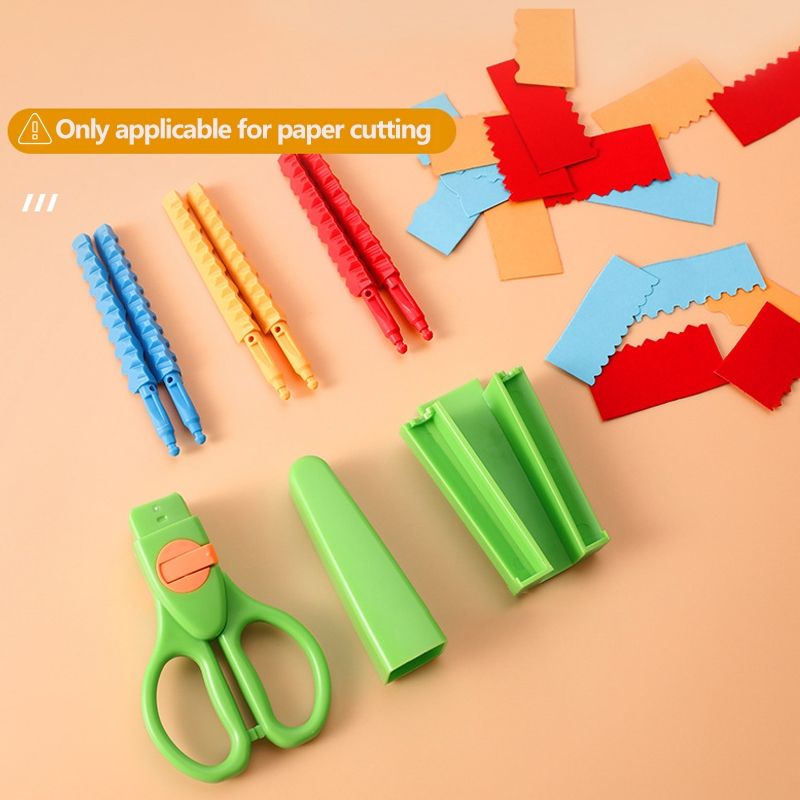
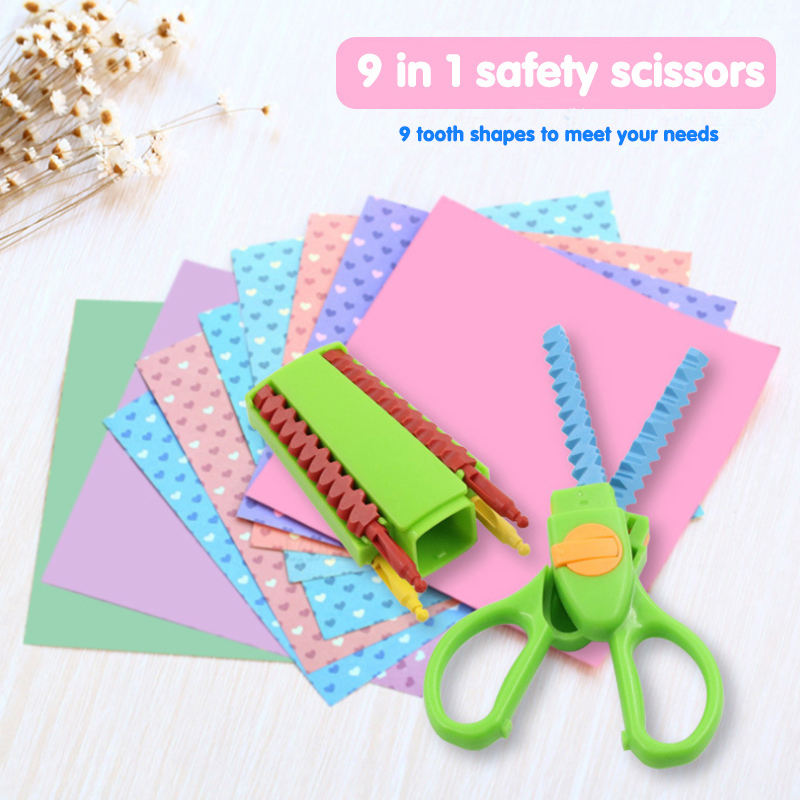
- Education: kids' crafts, classroom activities, DIY decorations
- Packaging and branding: hang tags, inserts, blister card trims [venveo]
Using dedicated paper scissors protects your high‑end fabric or industrial scissors from damage, because paper additives are surprisingly abrasive to fine cutting edges. [gushwork]

Long before paper scissors appeared in modern studios, papercutting was a refined art rooted in ancient traditions.
- China: Decorative papercuts date back to at least the 4th century (Han Dynasty), with the iconic Jianzhi style featuring zodiac animals and Chinese characters.
- Japan: The art evolved into Kirigami, combining folding and cutting to create intricate forms.
- Southeast Asia: Indonesian Wayang paper puppetry and Filipino Parol lantern decorations show how cut paper became part of cultural celebrations.
Today, contemporary psaligraphists (silhouette paper artists) exhibit works in museums and galleries, proving that papercutting has evolved from kindergarten crafts into a recognized fine art.
In almost every sewing room and craft studio, there is one unwritten rule: never use your "good scissors" on paper.
Paper contains:
- Fillers (such as calcium carbonate)
- Coatings and inks
- Short, abrasive fibers
These components create micro‑abrasion on ultra‑fine edges—especially on tailor or embroidery shears—causing rough cuts and frayed fabric later. Dedicated paper scissors are designed with a slightly blunter edge angle to handle this abrasive contact while preserving cutting performance. [gushwork]
"Paper scissors" does not mean "cheap scissors." Premium manufacturers use high‑grade steels and precise hardening processes even for general‑purpose paper tools, ensuring:
- Long‑lasting sharpness under heavy paper use
- Stable alignment along the full blade length
- Clean, burr‑free cuts on thin and thick stocks [bigmarketing]
This is the philosophy we follow at Kingford Homeware Co., Ltd., where we develop and manufacture dedicated paper scissors for global OEM clients across crafts, stationery, and packaging industries.
Different tasks require different blade geometries and handle designs. [bigmarketing]
For everyday office and household use:
- Medium blade length (6–8 inches)
- Comfortable, often symmetrical handles
- Suitable for printer paper, envelopes, gift wrap, labels
Ideal for brands selling stationery sets, office supplies, or home‑office bundles.
Long‑bladed scissors designed to follow long, straight lines across thin or patterned material. Typical features:
- Extra blade length for continuous cuts
- Stronger blades for coated wallpapers
- Ergonomic handles for repetitive use
These are popular in interior decoration, installation, and construction finishing markets.
Originally used by bankers to clip bond coupons and by calligraphers to trim scrolls, banker's shears are long-bladed scissors with a distinctive, often ornate form. Today, similar silhouettes appeal to:
- Stationery brands with a vintage aesthetic
- Luxury gift sets
- Design-led papercraft lines
| Use Case | Recommended Blade Length | Key Features |
|---|---|---|
| Office & admin | 6–7 inch | Lightweight, general‑purpose edge |
| Craft & papercutting | 5–7 inch | Fine points, high control |
| Wallpaper / paper hanging | 8–10 inch | Long blade, steady cut line |
| Premium gift / heritage | 6–8 inch | Ornate handles, polished finish |
As an OEM scissor manufacturer, our daily work is to translate a brand's concept into repeatable, scalable precision.
From an engineering standpoint, high‑quality paper scissors typically go through:
1. Material selection: Choosing stainless or carbon steel grades that balance hardness, toughness, and corrosion resistance. [vclintl]
2. Forging or stamping: Shaping blades and handles for consistency and structural integrity.
3. Heat treatment: Hardening and tempering to achieve stable hardness without brittleness.
4. Grinding and honing: Creating a controlled edge angle that suits paper's abrasiveness.
5. Assembly and adjustment: Aligning blades so that the cutting pressure remains consistent from heel to tip.
6. Surface finishing and coating: Polishing, coating, and corrosion protection tailored to the target market.
Each step is documented and quality‑controlled to satisfy both brand standards and regulatory requirements in export markets. [sixthcitymarketing]
For international brands, wholesalers, or producers, a strong OEM partner should support:
- Co‑developed specifications (blade length, handle material, hardness range)
- Compliance with local standards (e.g., EN, CPSIA, REACH where applicable)
- Packaging and private label customization
- Flexible MOQs and stable lead times for B2B planning [strategicconnection]
This is particularly important when developing specialized paper scissors for crafts, schools, or e‑commerce sets.
Artists like Louise Firchau (Paper Panda) have helped turn papercutting into a modern, social‑media‑driven art form, combining illustrative design with meticulous cutting. Contemporary psaligraphers exhibit in dedicated museums and galleries, underscoring how critical precise cutting tools are to their workflow.
What papercutting artists typically look for in scissors:
- Extremely sharp points for internal cuts and tight corners
- Smooth blade action to avoid tearing delicate paper
- Light weight for long sessions without fatigue
- Options in both right‑ and left‑handed designs
This demand shapes how we design OEM scissors for craft brands: fine tips, tuned blade tension, and finishes that look premium in photos yet withstand daily studio use.
When we help international clients spec new models, we usually focus on four pillars:
1. Target user scenario
- School, office, studio, packaging line, or hobby? [venveo]
2. Material and blade design
- Standard stainless or higher‑hardness steels?
- Straight or slightly curved blade? Fine tip or rounded safety ends?
3. Ergonomics and safety
- Soft‑touch handles, finger loops sized for adults vs children, left‑handed versions.
4. Positioning and pricing
- Entry‑level, mid‑range, or artisanal premium segment? [bigmarketing]
- If your customers are teachers and parents: prioritize safety tips, bright colors, and smaller sizes.
- If they are artists and crafters: invest in fine tips, higher hardness, and smooth, adjustable tension.
- If they are industrial or office buyers: emphasize durability, corrosion resistance, and bulk packaging.
A well‑designed pair of paper scissors still needs good technique.
1. Match scissors to material thickness
Use longer blades for wrapping paper and wallpaper; shorter, sharp‑point scissors for intricate designs.
2. Keep blades clean
Wipe away adhesive residue and paper dust to maintain smooth motion and sharpness.
3. Use full blade length for long cuts
This reduces jagged edges and hand fatigue.
4. Cut with controlled, steady pressure
Rapid, short snips can crush fibers; a smooth motion preserves crisp edges.
5. Reserve "good" scissors for one material only
Dedicate one pair to paper so the edge geometry remains optimized.
User feedback from papercutting enthusiasts shows a strong interest in high‑quality paper scissors and even affiliate partnerships for selling them. One commenter describes being "enthralled by paper cutting lore" while admitting to using fabric scissors on paper—but then avoiding fabric afterwards and actively seeking proper paper scissors to buy and resell.
This highlights two important trends for brands:
- Enthusiasts are willing to pay for specialized tools when they understand the benefits.
- There is real demand for affiliate‑ready, brandable paper scissors programs that integrate into content‑driven websites and communities. [accuranker]
As an OEM manufacturer, we regularly work with brands that build their traffic through educational content (guides, tutorials, artist interviews) and then convert that engaged audience into tool buyers.
For brands aiming to rank globally for terms like "paper scissors," "papercutting scissors," or "professional paper cutting tools",Experience, Expertise, Authoritativeness, Trust—is crucial. [monsterinsights]
- Share factory stories: show how your scissors are developed, tested, and used in real settings.
- Publish interviews with papercutting artists, teachers, and packaging engineers who rely on your tools.
- Include detailed, practical guides like the step‑by‑step section above, not just product specs. [uberall]
- Provide precise technical information (steel grades, hardness ranges, coating types) and explain why they matter.
- Cite external organizations and communities such as papercutting guilds, craft associations, and safety standards bodies where relevant. [uberall]
- Maintain a consistent content hierarchy (H1–H3) and internal linking around scissors, papercutting, and related tools so search engines clearly see your topical authority. [nightwatch]
If you are a brand owner, wholesaler, or producer looking to develop or upgrade your paper scissors line, partnering with a specialized OEM manufacturer is the fastest way to combine design freedom with industrial reliability. At Kingford Homeware Co., Ltd., we focus on R&D, production, and customized OEM services for scissors used across stationery, crafts, and homeware applications.
We can support you with:
- Custom blade and handle designs tailored to your market
- Private label and packaging solutions for retail or e‑commerce
- Stable quality control and export‑ready documentation
Get in touch to discuss your next paper scissors project and turn your brand's ideas into precise, reliable cutting tools.
Q1. Why shouldn't I use fabric scissors on paper?
Because paper's fillers and fibers are abrasive, they dull the ultra‑fine edges used for fabric, leading to rough, snagging cuts on textiles later. Dedicated paper scissors use a different edge geometry that better withstands paper use. [gushwork]
Q2. What blade length is best for papercutting art?
Most artists prefer 5–7 inch scissors with very sharp points, which balance control and reach for detailed internal cuts and smooth external outlines.
Q3. How often should paper scissors be cleaned or maintained?
Wipe blades regularly to remove dust and adhesive residue, and have them professionally sharpened when you notice more pressure is needed or fibers begin to tear rather than slice.
Q4. Can an OEM factory customize handles and colors for my brand?
Yes. A specialized OEM manufacturer can usually customize handle colors, surface finishes, logo placement, and packaging to align with your brand identity and target market. [vclintl]
Q5. What content helps a scissors brand rank better in search results?
In‑depth guides, real user case studies, and expert tutorials that genuinely help buyers choose and use scissors—backed by clear technical details and trustworthy citations—perform best under Google's E‑E‑A‑T framework. [skyranko]
- Ciselier. "The Historic and Romantic Art of Papercutting."
https://ciselier.com/blogs/news/the-magic-of-paper-scissors
- MonsterInsights. "How to Optimize for E‑E‑A‑T (Proven Strategies That Work)."
https://www.monsterinsights.com/how-to-optimize-for-e-e-a-t/ [monsterinsights]
- Nightwatch. "Google E‑E‑A‑T for SEO: What it is & How to Optimize for it?"
https://nightwatch.io/blog/google-eeat-optimization/ [nightwatch]
- Uberall. "E‑E‑A‑T Is Now More Important for AI Search."
https://uberall.com/en-us/resources/blog/why-e-e-a-t-is-critical [uberall]
- Venveo. "SEO For Manufacturing: 8 Best Ways For Manufacturers To Attract Leads."
https://www.venveo.com/blog/content-marketing/seo-for-manufacturing-companies [venveo]
- BigMarketing. "Manufacturing SEO: 10 Proven Strategies for Top Rankings."
https://bigmarketing.com/manufacturing-seo/ [bigmarketing]
- Gushwork. "5‑Phase SEO Strategy for Manufacturing to Boost Organic Growth."
https://www.gushwork.ai/blog/manufacturing-seo-strategy [gushwork]
- AccuRanker. "How to Write a Blog Post that Builds Brand Authority."
https://www.accuranker.com/blog/how-to-write-a-blog-post-that-builds-brand-authority/ [accuranker]
- Skyranko. "9 Best Practices to Build Authority for Your Blog in 2025."
https://skyranko.com/build-authority-for-your-blog/ [skyranko]
- Robertsiegers. "SEO for Manufacturers: Strategies to Dominate Search in 2025."
https://robertsiegers.com/en/seo-for-manufacturers [robertsiegers]


