English 


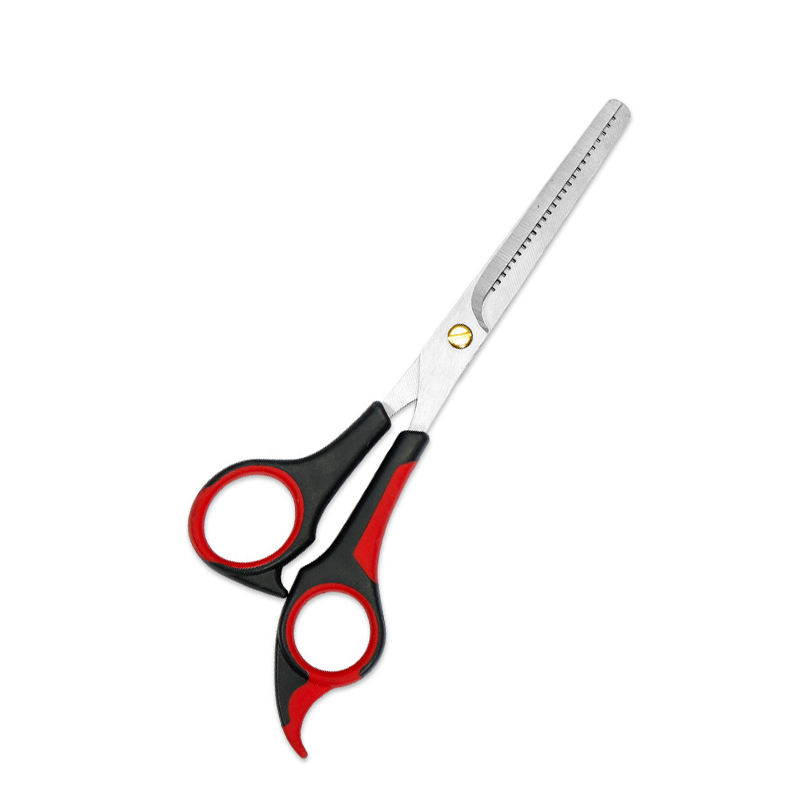
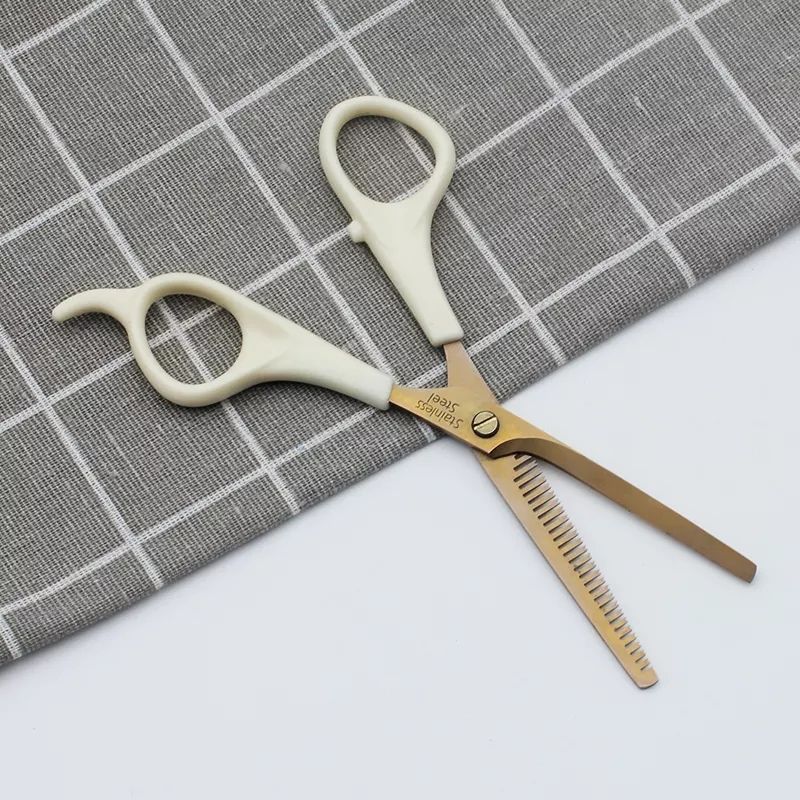
Discover the real difference between blending shears vs thinning shears for professional hairstyling. Learn when to use each, how to avoid over‑texturizing, and what to look for in OEM‑grade hairdressing scissors for your brand or salon.
Discover the real differences between high‑quality and low‑quality hair shears, from German vs Japanese steel and edge geometry to OEM‑partner selection criteria for brands and distributors in 2026.
Discover why high‑quality kitchen scissors outperform knives for everyday cooking. Learn how forged blades, ergonomic design, and proper care improve safety, efficiency, and hygiene—plus expert tips on choosing, using, and maintaining professional‑grade kitchen shears.
Discover why quality handmade scissors cost more and how forged steel, multi‑stage craftsmanship, and modern OEM quality control deliver superior performance, longer life, and better value for brands, wholesalers, and professionals seeking premium cutting tools.
Cutting paper with fabric scissors accelerates blade dulling due to abrasive minerals like calcium carbonate and kaolin clay embedded in paper products. Professional-grade fabric shears feature precision blade angles and hardened steel designed exclusively for textiles, making them vulnerable to paper's grinding action.
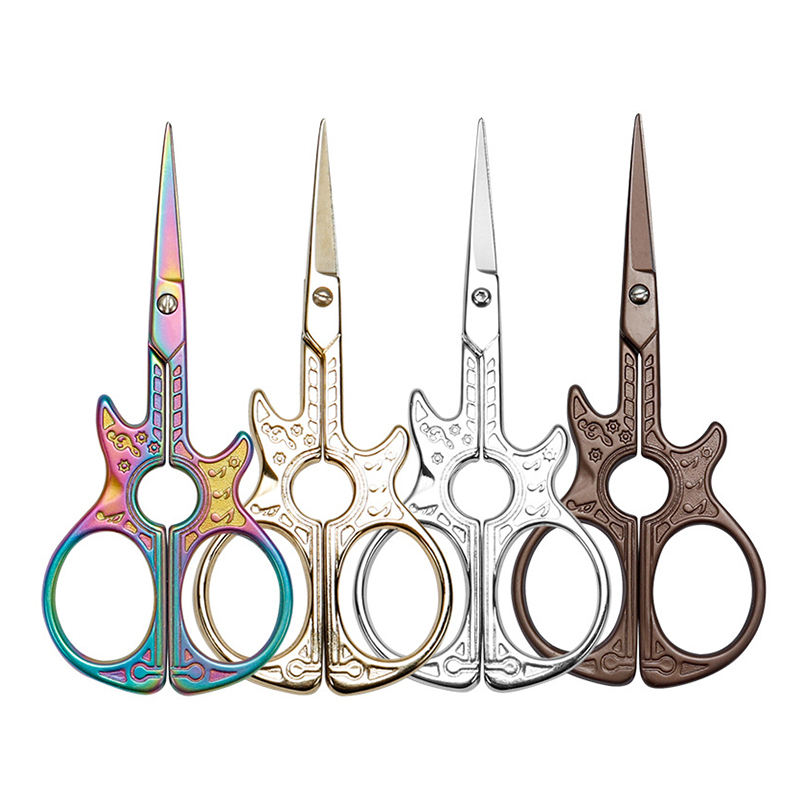
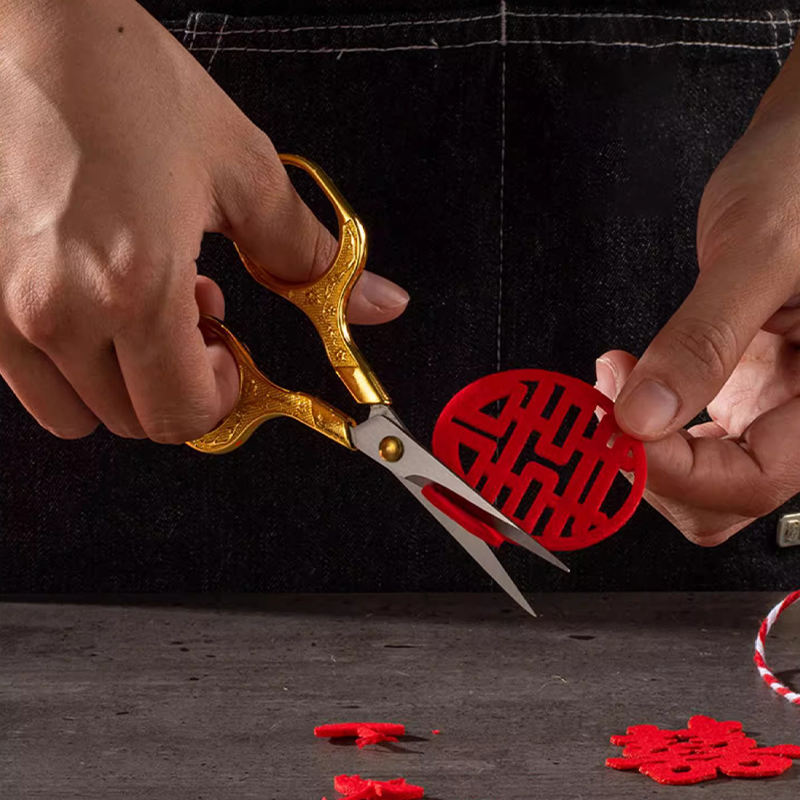
Discover the real history behind stork embroidery scissors, from 19th‑century midwife clamps to modern sewing essentials. Learn the symbolism, key design features, and OEM options brands can use to create unique, high‑quality stork scissors collections.