
English 


Views: 222 Author: Kingford Scissors Publish Time: 2026-05-07 Origin: Site


For professional hairstylists, barbers, and salons, hair shears are not just tools—they're career‑defining investments. The gap between premium shears and low‑grade alternatives goes far beyond price; it spans material science, ergonomic design, manufacturing precision, and long‑term value for end users. [hanzo]
If you're a brand owner, distributor, or OEM partner sourcing hair shears, understanding what makes "high‑quality" shears truly superior is essential for building a profitable, repeatable product line. This article analyzes the core differences between high‑quality and low‑quality hair shears, uncovers the most important technical and experiential factors, and offers practical guidance for OEMs and brands choosing the right manufacturer. [koofex]
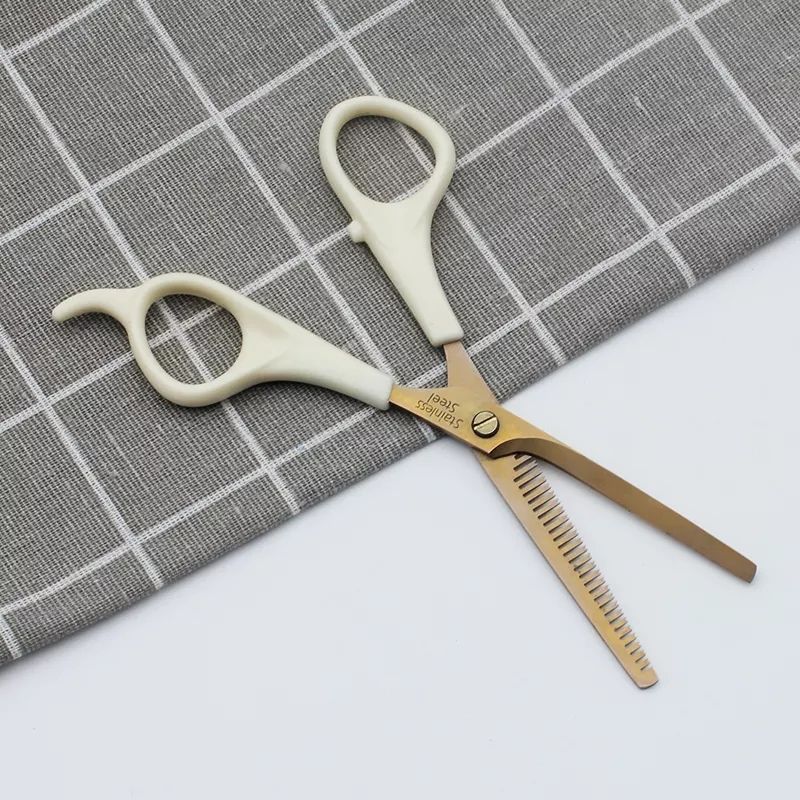
High‑quality hair shears are characterized by premium steel, intelligent edge geometry, precise balancing, and advanced ergonomics (offset handles, swivel thumbs, etc.). They are engineered to stay sharp for years, cut cleanly without tugging, and reduce hand fatigue during long shifts. [sakishears]
In contrast, low‑quality shears often use cheaper stainless‑steel alloys or poorly heat‑treated metals, thin or uneven blades, and basic handles that cause strain. These products may feel "good enough" at first but quickly lose edge retention, corrode, or require frequent sharpening. [scissormall]
Most professional hair shears fall into two main steel families: German and Japanese steel. Both are high‑grade; the choice depends on performance priorities and market positioning. [hanzo]
German‑made shears typically use high‑carbon stainless alloys with added chromium, molybdenum, and sometimes vanadium or cobalt. These shears are known for durability, corrosion resistance, and solid beveled edges that hold a sharp cutting edge over time. [finalcheck]
German steel shears are often preferred for heavy‑duty cutting, thicker hair types, and barbers who value robust, long‑lasting tools. [marlobeauty]
Japanese steel is prized for high hardness, lightness, and fine grain structure that allows extremely sharp convex or semi‑convex edges. [sakishears]
Common Japanese grades include:
- 440C steel: mid‑range professional standard, offering good hardness and corrosion resistance at a reasonable price. [finalcheck]
- VG10 steel: considered a "gold standard," with excellent edge retention and clean cutting performance. [hanzo]
- ATS‑315 and Damascus‑style laminates: multi‑layer steels used in high‑end shears, delivering ultra‑sharp, lightweight blades ideal for detailed cutting and texturizing. [sakishears]
Because Japanese steel can be heat‑treated to very high hardness, these shears cut cleanly and require less frequent sharpening—key selling points for premium brands and OEMs aiming at the mid‑to‑high‑end salon market. [hanzo]
The blade edge is arguably the most important factor in how a shear feels and performs. [scissormall]
- Convex edges (Japanese): These are ground to a fine, slightly curved profile, allowing the blade to slice through hair with minimal friction. Convex edges enable slide cutting, texturizing, and point cutting with exceptional smoothness but require careful handling and specialized sharpening. [sakishears]
- Semi‑convex edges: Slightly thicker than full convex, these offer a balance of sharpness and durability and are easier to maintain. [hanzo]
- Beveled edges (German‑style): Flat‑ground blades that create a very sharp, resilient cutting surface and are often paired with micro‑serrations for grip. [finalcheck]
For OEMs, edge type is a strategic decision. Convex‑edge shears are ideal for high‑end salon brands, while beveled and semi‑convex edges work well for mid‑tier or barber‑focused lines. [sakishears]
Many stylists fall into the trap of treating shears as disposable tools, but high‑quality shears are a long‑term investment. [scissormall]
- Well‑made professional shears can last 5–10 years with proper care and maintenance. [hanzo]
- Premium shears typically need sharpening every 6–12 months, depending on usage and technique. [hanzo]
- Low‑quality shears can demand sharpening every 1–2 months and may warp or chip sooner, increasing lifetime cost. [scissormall]
From a brand or OEM perspective, emphasizing edge retention, corrosion resistance, and service programs (re‑sharpening, tuning, warranties) can justify higher price points and encourage repeat orders. [koofex]
Stylists' hands and wrists are under constant strain. Poor ergonomics are a major reason professionals actively upgrade their shears. [marlobeauty]
High‑quality shears often feature:
- Offset handles that reduce wrist extension.
- Crane‑style or swivel‑thumb handles that improve finger alignment and reduce fatigue. [hanzo]
- Balanced weight distribution between blades and handles.
These features not only improve comfort but also boost precision and control, especially during long service sessions. [hanzo]
For OEMs, customizable handle styles based on target market (salon colorists vs. barbers vs. pet groomers) can be a powerful differentiator. [koofex]
Beyond steel and ergonomics, several "hidden" features separate high‑end shears from generic models:
- Micro‑serrations on beveled blades to prevent slippage on thick or wet hair. [finalcheck]
- Sand‑filled or counter‑weighted handles that balance the tool for smoother cutting. [hanzo]
- Decorative finishes, color coatings, and laser engraving for brand identity.
- After‑sales programs such as "stay‑sharp" tuning, re‑sharpening, and warranty services. [hanzo]
For brands and OEM partners, bundling these features into structured product tiers (entry‑level, mid‑range, premium) helps align pricing with perceived value and region‑specific expectations. [koofex]
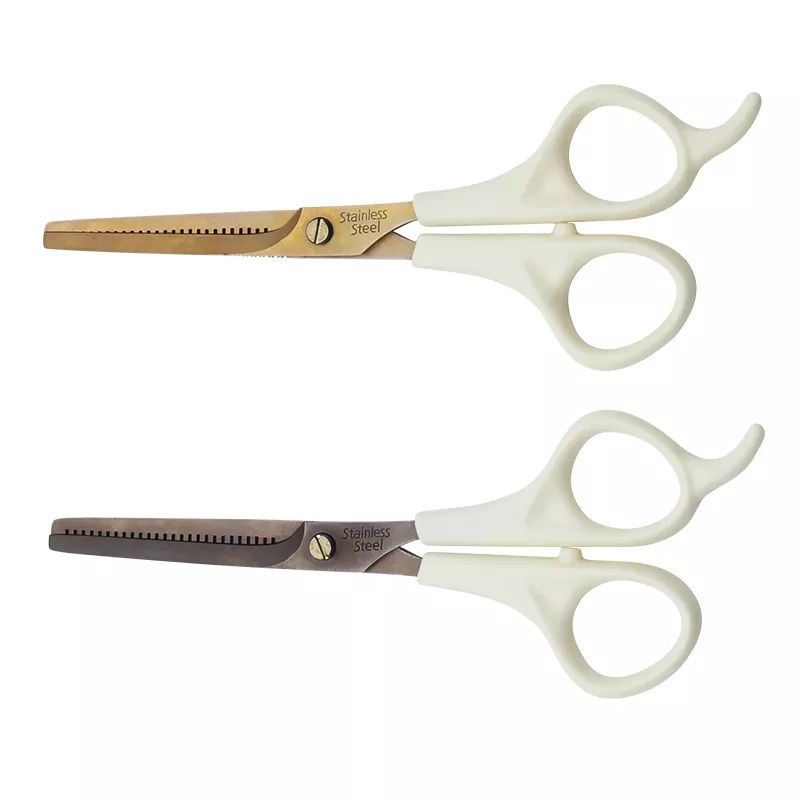
When sourcing hair shears from manufacturers like Kingford Homeware Co., Ltd., focus on these 10 evaluation criteria to ensure product quality and long‑term reliability: [koofex]
Ask for detailed steel grades, heat‑treatment specs, and corrosion‑resistance data (e.g., 440C, VG10, custom alloys). Avoid suppliers who only say "stainless steel" without further specification. [sakishears]
Check whether the factory uses CNC‑controlled grinding and can produce convex, semi‑convex, or beveled edges on demand. [sakishears]
A strong OEM partner should have:
- Incoming material inspection for steel.
- In‑process quality checks at each stage (forging, grinding, sharpening).
- Final visual and functional inspection for each pair. [sakishears]
Look for ISO‑relevant quality standards, CE marking where applicable, and any regional compliance documentation (REACH, RoHS, etc.). [koofex]
Ask about:
- Edge‑retention tests (number of cuts before performance drops).
- Drop‑test and stress tests to simulate studio accidents. [sakishears]
For a growing brand, scalable capacity with predictable lead times is critical. Request typical MOQs, standard lead times, and flexibility for custom designs or seasonal campaigns. [koofex]
A strong OEM can offer:
- Custom blade shapes, lengths, and angles.
- Handle redesigns and color‑coating options.
- Private‑label branding and packaging. [koofex]
Ask about warranty terms, sharpening services, and defect‑replacement policies. [koofex]
A reputable OEM should be willing to share previous client testimonials, case studies, and trade‑show references. [koofex]
The best partners invest in continuous R&D, such as new edge geometries, improved steel treatments, or ergonomic handle innovations. [economy.southcn]
The global hair tool market is projected to grow to around USD 26 billion by 2026, driven by increasing salon density, barber‑culture revival, and rising demand for premium tools. Key trends include: [buybarber]
- Demand for premiumbut affordable shears that balance performance and price. [buybarber]
- Re‑branding and "white‑label" demand, where brands partner with OEMs to launch their own lines without in‑house manufacturing. [economy.southcn]
- Sustainability‑focused materials and finishes, such as low‑VOC coatings and recyclable packaging. [koofex]
For OEMs, positioning as a technology‑driven, compliance‑aware partner aligned with these trends can open opportunities with fast‑growing beauty brands and distributors. [economy.southcn]
When your brand is ready to launch or refresh a hair‑shear line, use this checklist:
- Define target segment (budget, mid, premium).
- Choose steel and edge type (440C/VG10, convex/beveled).
- Select handle style (offset, crane, swivel thumb).
- Decide on size set (e.g., 5.0", 5.5", 6.0" for versatility).
- Plan service and warranty programs (annual re‑sharpening, free‑for‑life blade tuning). [hanzo]
This structured approach ensures that your products feel "right" in stylists' hands and deliver the long‑term value that justifies premium pricing.
If you are a brand owner, distributor, or retail partner looking to develop or refresh a professional hair‑shear line, work with an OEM that treats shears as precision instruments, not commodities. Highlight steel quality, edge geometry, ergonomic design, and after‑sales support in your product messaging.
For OEM manufacturers like Kingford Homeware Co., Ltd., the path to differentiation lies in transparent material specs, advanced blade‑grinding capabilities, robust QA systems, and flexible customization. Positioning your factory as a trusted technical partner rather than a generic supplier will attract serious, long‑term brand clients.
Q1: What is the main difference between German and Japanese hair shears?
A1: German shears emphasize durability and corrosion‑resistant alloys with beveled edges, while Japanese shears focus on ultra‑sharp convex or semi‑convex edges made from high‑hardness steels like VG10. [sakishears]
Q2: How long should high‑quality hair shears last?
A2: With proper care and regular sharpening (every 6–12 months), high‑quality shears can last 5–10 years, making them a cost‑effective long‑term investment. [scissormall]
Q3: Why do premium shears cost so much more?
A3: Premium pricing reflects better steel, precision grinding, ergonomic handles, advanced edge geometry, and support services such as tuning and warranty programs. [koofex]
Q4: What should I check when choosing an OEM hair‑shear manufacturer?
A4: Evaluate material transparency, blade‑grinding capability, QA protocols, certifications, testing procedures, capacity, customization options, and after‑sales support. [sakishears]
Q5: Are there any emerging trends in the hair‑shear market?
A5: Key trends include growth in premium‑mid‑tier tools, increased demand for OEM/white‑label partnerships, and rising interest in sustainability‑focused materials and finishes. [buybarber]
1. Hanzo – *Best Hair Shears – High Quality vs Low Quality Materials*
https://hanzo.com/best-hair-shears-high-quality-vs-low-quality-materials/ [hanzo]
2. Sakishears – *The 2025 Ultimate Guide to Choosing Professional Hair Shears*
https://sakishears.com/blogs/hair-care/the-2025-ultimate-guide-to-choosing-professional-hair-shears [sakishears]
3. Sakishears – *The Art and Science of Hair Shears Production*
https://sakishears.com/blogs/hair-shears-and-scissors/the-art-and-science-of-hair-shears-production-a-deep-dive-into-the-manufac... [sakishears]
4. Nanfang Jingji – *Knife and Scissors New Force – How "Yangdong Made" Overtakes and Succeeds in Global Export*
https://economy.southcn.com/node_71505a4d28/fc446c1848.shtml [economy.southcn]
5. ScissorMall – *Differentiating High‑Grade Hair Shears from Lesser Alternatives*
https://scissormall.com/2022-2-08-differentiating-high-grade-hair-shears-from-lesser-alternatives/ [scissormall]
6. FinalCheck – *Hairdressing Scissors Review & Comparison 2026*
https://www.finalcheck.com/hairdressing-scissors/ [finalcheck]
7. Koofex – *2026 How to Choose the Right OEM Custom Hair Tools Manufacturer*
https://www.koofex.com/blog/choosing-right-oem-custom-hair-tools-manufacturer-2026/ [koofex]
8. Marlo Beauty – *How To Choose The Best Professional Hair Cutting Shears*
https://www.marlobeauty.com/pro2pro/how-to-choose-the-best-professional-hair-cutting-shears/a1294/ [marlobeauty]
9. BuyBarber – *10 Best Hairdressing Scissors for Pro Stylists*
https://buybarber.com/blogs/news/top-10-hairdressing-scissors [buybarber]


