
English 


Views: 222 Author: Kingford Scissors Publish Time: 2026-05-08 Origin: Site


If you're a professional hairstylist, barber, or beauty brand sourcing OEM scissors, understanding the real difference between blending shears and thinning shears is essential for delivering consistent, client‑satisfying results. At Kingford Homeware Co., Ltd., we manufacture high‑quality hairdressing shears for global brands, and our barbers and stylists tell us the same thing: choosing the wrong texturizing tool can ruin a cut, while the right shear can make a haircut look alive with texture and movement. [hanzo]
In this in‑depth guide, we'll compare blending shears vs thinning shears from a technical, practical, and OEM‑manufacturing perspective, cover when to use each, how to avoid over‑texturizing, and what to look for in a professional‑grade shear that you can confidently source or recommend to clients. [salonshearsdirect]
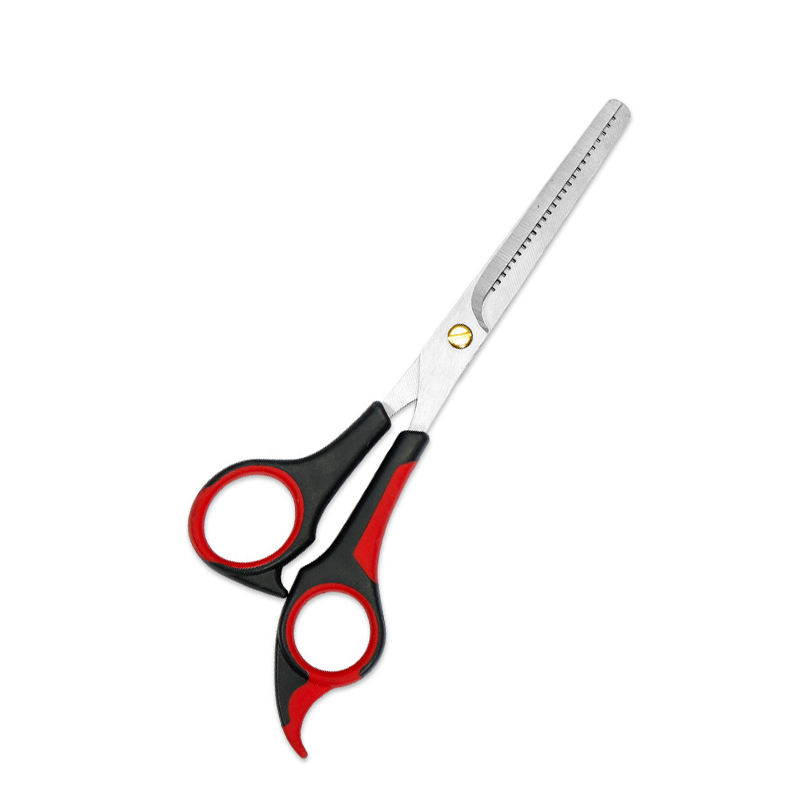
Blending shears are texturizing scissors designed to create seamless gradations between layers and to soften hard lines without dramatically reducing length. They're used mainly on the ends and mid‑lengths of the hair to add movement and softness. [hanzo]
Key features of professional blending shears:
- One blunt blade and one toothed blade, allowing a more controlled and subtle removal of hair.
- Finer, more closely spaced teeth (often 35–40+ teeth) that create a gentler, more natural blending effect.
- Designed for softening lines, feathering interior layers, and reducing slight bulk while maintaining overall shape and length. [scissorwarrior]
Typical use cases for blending shears:
- Softening the perimeter of a blunt cut.
- Creating air‑filled, layered finishes on long or medium hair.
- Blending internal layers in a layered bob or shag.
Thinning shears (also called thinners) are designed to remove bulk and volume from thick or dense hair. They thin out hair while preserving length, so stylists can control weight without layered cuts looking choppy. [salonshearsdirect]
Key features of professional thinning shears:
- Teeth on both blades, removing more hair per pass than blending shears.
- Fewer, wider teeth (often 20–30 teeth) for heavier thinning, or finer, higher‑tooth‑count thinners for softer texturizing.
- Often used away from the scalp to avoid over‑cutting and to maintain a clean root line. [scissorwarrior]
Typical use cases for thinning shears:
- Reducing density in thick, coarse hair.
- Softening a heavy fringe or bangs.
- Removing weight at the neck line or under the crown.
To help you choose the right tool, here's a concise comparison of how blending shears and thinning shears differ in design, function, and result.
| Feature | Blending Shears | Thinning Shears |
|---|---|---|
| Blade design | 1 blunt blade + 1 toothed blade hanzo | Teeth on both blades hanzo |
| Tooth count (typical) | 35–45+ fine teeth salonshearsdirect | 20–30 wider teeth salonshearsdirect |
| Amount of hair removed | Less, subtle removal salonshearsdirect | More, pronounced thinning salonshearsdirect |
| Best use location | Ends and mid‑lengths salonshearsdirect | Mid‑lengths and interior layers salonshearsdirect |
| Result on hair | Soft, natural blend hanzo | Clearer, textured thinning hanzo |
Bottom line:
- Choose blending shears when you want soft layers, feathered ends, and subtle texture.
- Choose thinning shears when you need to remove bulk, reduce volume, and create stronger texture.
Can thinning shears ruin your hair? Yes—if used incorrectly. Over‑texturizing is one of the most common mistakes that can leave hair looking patchy, uneven, or "over‑thinned" for months until it grows back. [hanzo]
Professional stylists tell us that over‑texturizing often happens when therapists or junior stylists:
- Use thinning shears on too small sections repeatedly.
- Cut too close to the scalp with strong‑tooth‑count thinners.
- Apply too much pressure or too many passes in one area. [salonshearsdirect]
Best practices to prevent damage:
- Limit passes: Use 1–2 passes per section, especially on fine or fragile hair.
- Work in larger sections: This distributes the thinning more evenly.
- Check balance constantly: Step back, rotate the client, and compare both sides.
- Use the right tooth count: Higher tooth counts (30–40+) for soft blending; lower tooth counts (20–25) for true bulk removal. [scissorwarrior]
To translate this into real‑world styling, let's walk through three common scenarios and explain which tool works best.
- Blending shears shine here.
- Use them on the interior layers to soften the internal graduation.
- Work from mid‑length to ends to create a gentle, airy finish without choppy lines.
- Thinning shears are ideal for bulk reduction.
- Use them inside the crown and along the nape to remove weight.
- Follow with blending shears on the ends to smooth the transition.
- Use both tools together.
- Start with thinning shears to remove bulk and add texture.
- Finish with blending shears to soften the perimeter and ends so the cut looks lived‑in, not over‑texturized. [salonshearsdirect]
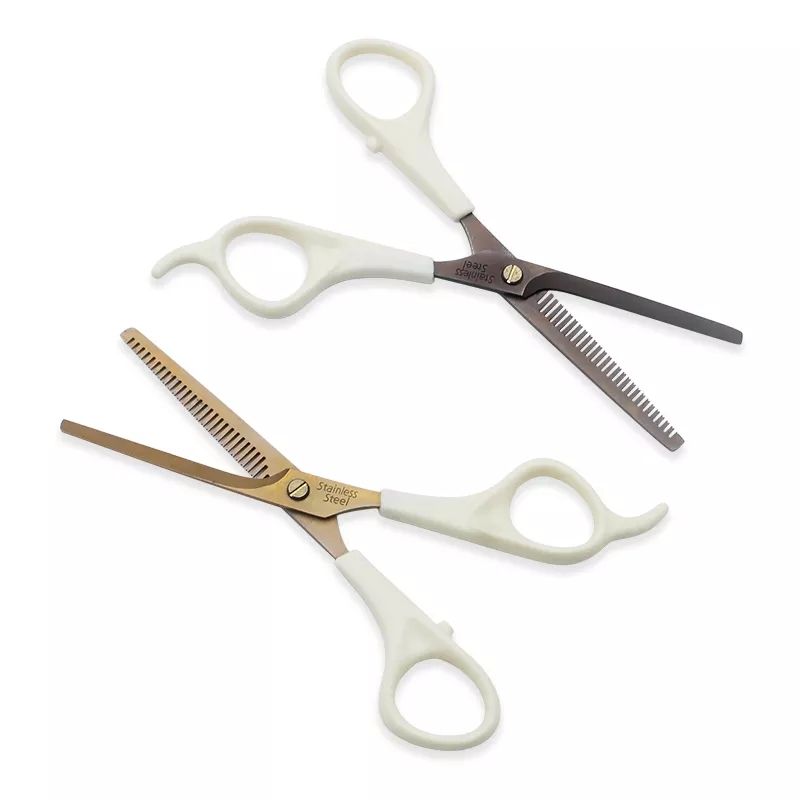
An expert stylist doesn't just pick a tool; they pick the right tooth count and handle for the hair type and the desired outcome. [scissorwarrior]
Fine or thin hair:
- Prefer higher‑tooth‑count blending shears (35–45 teeth) for very soft, natural texturizing.
- Avoid aggressive thinning shears with wide teeth; they can over‑thin and expose scalp.
Thick or coarse hair:
- Medium‑tooth thinning shears (25–30 teeth) work well to remove bulk without looking "chunky."
- Blending shears can then be used to soften the finish and remove any harsh lines.
Curly or wavy hair:
- Use lighter passes and higher‑tooth‑count tools to avoid creating "holes" in curls.
- Test on a small section first and let it dry to see the true result.
If you're sourcing blending and thinning shears for your brand or salon supply line, here are the manufacturing and design features that matter most from a professional's perspective.
- Convex‑ground blades cut smoother and stay sharp longer.
- Consistent tooth spacing and sharpness prevent drag or uneven cutting.
- Premium Japanese or high‑carbon stainless steel resists corrosion and maintains edge integrity over time. [hanzo]
- Offset or swivel handles reduce wrist strain during repeated thinning and blending.
- Lightweight but balanced construction improves control, especially for long sessions.
- Countersunk, locking tension control (like the HHVT series from Hanzo) lets stylists maintain a consistent cutting feel through years of use. [hanzo]
- Self‑adjusting pivot screws or bumpers prevent slop and keep the tips aligned.
Professional shears are an investment, and how you maintain them directly affects performance and brand reputation. Our OEM partners and stylists consistently report that poor maintenance leads to more complaints and returns than the tool itself.
Daily and weekly care routine:
- Clean after each use:
- Wipe blades with a soft, dry cloth to remove hair and product.
- Avoid harsh chemicals or fully immersing scissors in liquid.
- Lubricate regularly:
- Apply a few drops of shear‑specific oil to the pivot area to prevent rust and ensure smooth action.
- Store properly:
- Use a hard case or padded sheath.
- Avoid leaving shears in a drawer where they can knock or bend.
When to sharpen or service:
- If the shear starts to "crush" instead of cutting cleanly.
- If the edges feel uneven or the scissors no longer cut on a single line.
- Professional sharpening every 6–12 months is recommended for heavy users. [salonshearsdirect]
Kingford Homeware Co., Ltd. designs and manufactures blending and thinning shears for overseas brands, offering:
- OEM customization (logo, handle color, tooth count, and blade length).
- Quality control on steel, sharpening, and balancing to meet salon‑grade standards.
- Technical support and training materials for your stylists and sales teams.
Whether you're a salon chain, private‑label brand, or distributor, partnering with a manufacturer that understands real‑world styling needs can help you differentiate your products in a crowded market.
Want to source professional‑grade blending and thinning shears for your brand? Contact Kingford Homeware Co., Ltd. today to discuss OEM customization, MOQs, and sample pricing for high‑quality hairdressing scissors trusted by stylists worldwide.
Q1: Are blending shears and thinning shears the same?
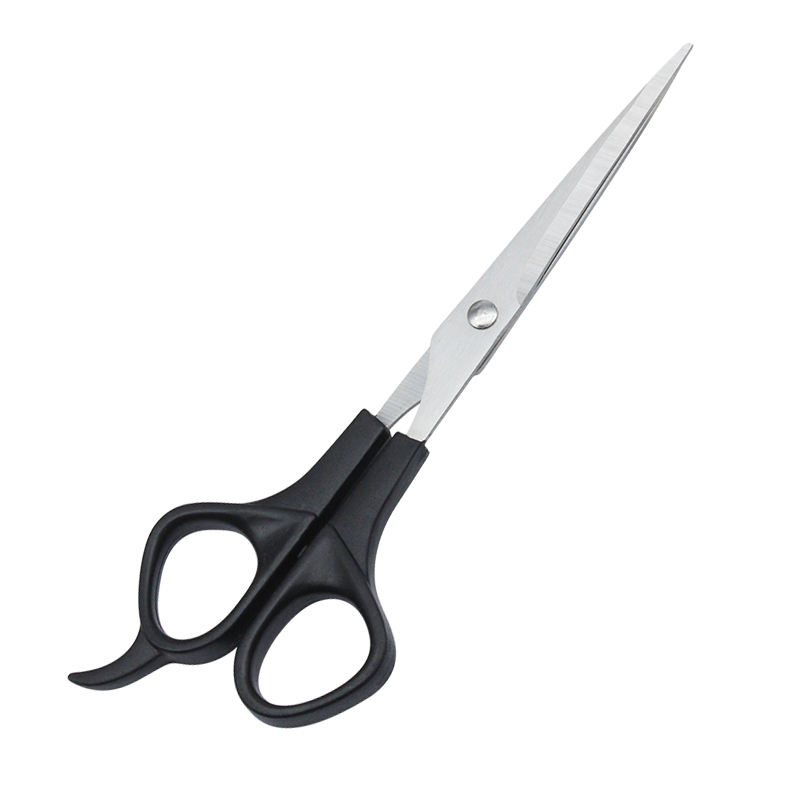
No. Blending shears typically have one blunt and one toothed blade for soft, subtle texturizing, while thinning shears have teeth on both blades for more aggressive bulk removal and stronger texture. [hanzo]
Q2: Can I use thinning shears on the scalp?
Some high‑quality thinning shears are designed for controlled use near the scalp, but stylists should avoid multiple passes to prevent uneven thinning or bald‑spot‑like areas. [salonshearsdirect]
Q3: How many teeth should blending shears have?
Most professional blending shears have 35–45+ fine teeth for a soft, natural blend rather than harsh chunking. [scissorwarrior]
Q4: Do thinning shears damage hair if used correctly?
When used properly—light passes, correct sections, and the right tooth count—thinning shears do not inherently damage hair. Over‑thinning and over‑use are the main causes of visible damage. [hanzo]
Q5: Can I use both blending and thinning shears in the same haircut?
Yes. Many stylists start with thinning shears to remove bulk, then finish with blending shears on the ends and layers for a seamless, professional finish. [scissorwarrior]
1. Hanzo – Blending Shears vs Thinning Shears Guide
https://hanzo.com/blending-shears-vs-thinning-shears-which-one-to-choose/ [hanzo]
2. SalonShearsDirect – Thinning Shears vs Blending Shears: Which Should You Choose?
https://salonshearsdirect.com/blog/thinning-shears-vs-blending-shears-which-should-you-choose/ [salonshearsdirect]
3. Scissor Warrior – Choose the Right Thinning Shears for Perfect Blending
https://scissorwarrior.com/blogs/scissor-warrior-world/choosing-thinning-scissors-guide-for-professionals [scissorwarrior]


