
English 


Views: 222 Author: Kingford Scissors Publish Time: 2026-04-22 Origin: Site


Choosing the best hairstylist razor can transform your haircuts from "good" to truly unforgettable. As a stylist or barber, the right razor gives you control over texture, movement, and finish in a way scissors alone never can. [avalanchegr]
In this in‑depth guide, written from the perspective of experienced salon professionals and backed by industry best practices, we'll walk through how to choose, use, and care for razors so you can deliver consistent, safe, and modern results for every client. [linkgraph]

Razors have been part of haircutting for decades, but their popularity has surged again with modern textured styles and lived‑in looks. [theinsightpartners]
Compared with scissors, razors can:
- Create soft, diffused lines instead of blunt edges.
- Add lightweight movement to thick or heavy hair.
- Build internal texture and airiness in layers and shags.
- Customize face‑framing pieces and fringes with precision.
From our perspective as professionals, a razor is not a "nice‑to‑have" accessory; it is a core tool in a modern stylist's kit, especially if you work with medium to long hair, men's texture cuts, or soft bobs. [linkgraph]
Most hairstylists begin their career with a texture razor, also known as a guarded or feather razor. This tool combines a toothed guard with a replaceable blade, giving you safety and control while you learn razor techniques.
Key benefits of texture razors:
- Built‑in guard for protection – helps protect your fingers and your client's skin from direct blade contact.
- Ideal for texturizing – great for removing bulk and adding movement without harsh lines.
- User‑friendly – forgiving for beginners but still powerful enough for advanced stylists. [linkgraph]
Many stylists use a texture razor throughout their entire career because it offers a great balance of safety, speed, and finish.
A straight razor is less common in a typical hairstylist's kit because it's strongly associated with barbershops and shaving services. However, as an experienced stylist, I see straight razors as a precision texturizing and detailing tool rather than just a shaving instrument. [relativityseo]
Straight razor advantages:
- Uses disposable blades that you replace after every haircut to ensure sharpness and hygiene.
- Can be used on wet or dry hair, depending on hair type and desired result.
- Offers extremely clean detailing, especially around hairlines, necklines, and sideburns.
If you serve a high percentage of male clients, a straight razor can help you create crisp outlines that make your work stand out—always following your local state board regulations. [bookeo]
From a working stylist's point of view, both razors have a place in the salon. The question is not "Which is absolutely best?" but "Which is best for your current skill level, clientele, and services?" [avalanchegr]
| Feature | Feather / Texture Razor | Straight Razor |
|---|---|---|
| Skill level | Beginner to advanced | Intermediate to advanced |
| Safety | Guarded; lower risk of nicks | Exposed blade; requires more control |
| Ideal hair types | Thick, medium, fine (for soft texture) | Medium to coarse; detailing lines |
| Typical use | Texturizing, soft layers, shags | Hairlines, necklines, strong texture |
| Blade type | Guarded, replaceable | Disposable, fully exposed |
| Wet/dry usage | Best on wet hair | Wet or dry depending on technique |
| Learning curve | Gentle; easier entry | Steeper; requires practice |
One of the biggest expert tips for razor safety and quality is hair condition.
- Texture/feather razors should be used on wet hair. Using them on dry hair often causes pulling, discomfort, and can lead to split ends.
- Straight razors can be used on wet or dry hair, but you must factor in hair texture and condition to avoid damage.
As professionals, we see more frayed cuticles and rough ends when razors are dragged through dry, fragile hair. Keeping hair properly hydrated with water and a slip‑providing product (such as a light cutting lotion) reduces friction and protects the hair fiber. [linkgraph]
Razor cuts are all about stroke length and movement.
- Short strokes:
- Create subtle texture.
- Ideal for fine hair where you must protect density.
- Medium strokes:
- Add visible movement in mid‑lengths.
- Great for layered cuts and soft shags.
- Long strokes:
- Remove more weight and create dramatic texture.
- Best for thick hair where you need a long, sweeping motion.
The more you move the razor through a section, the more texture you introduce into the cut.
Many clients love the soft, lived‑in look of razor cuts but still want the structure of a classic scissor cut. [linkgraph]
A powerful technique is to:
1. Shape the base with scissors – create the outline, basic length, and main layers.
2. Refine with a feather razor – selectively soften lines and remove internal bulk.
This approach works particularly well for:
- Clients who prefer a "regular" haircut but want more texture and movement.
- Fine‑haired clients, where you must avoid removing too much weight yet still break up solid lines.
To make this guide immediately actionable, here's a simplified step‑by‑step workflow you can adapt in the salon. [linkgraph]
1. Consultation and Hair Assessment
- Discuss desired length, movement, and styling habits.
- Evaluate hair density, porosity, and previous chemical services.
2. Decide on Razor Type
- Choose a texture/feather razor for soft layering and debulking.
- Choose a straight razor for sharp lines and advanced texture on healthy, medium‑to‑coarse hair.
3. Prepare the Hair
- Shampoo and condition if needed.
- Towel‑dry and then mist with water to keep hair consistently damp.
- Apply a light cutting lotion on mid‑lengths and ends.
4. Create the Foundation Shape
- Optionally cut the basic shape using scissors.
- Define perimeter lines before moving into internal layering.
5. Add Texture With the Razor
- Work in controlled sections.
- Use short strokes on finer sections, longer strokes on heavy areas.
- Avoid repeatedly passing over the same strand to prevent over‑thinning.
6. Detailing and Personalization
- Refine fringe, face‑framing, and neckline.
- Switch to a straight razor where ultra‑clean edges are desired and permitted by local regulations.
7. Finish and Educate the Client
- Style hair as the client would at home.
- Explain how the razor cut will grow out, and how to maintain the texture between visits. [linkgraph]
When you introduce razors into your work, client safety and regulatory compliance come first. [foremostmedia]
Key professional guidelines:
- Check state or regional regulations. In some areas, any shaving with a straight razor requires a barber license. Always confirm what your board allows before offering facial or neck shaving services. [foremostmedia]
- Use disposable blades in straight razors and change them after every haircut. This supports hygiene, sharp performance, and client trust.
- Sanitize handles and guards between clients according to your local health code. [foremostmedia]
- Communicate with clients before using a razor near the skin, especially around ears, neckline, and nape.
From an expert's standpoint, the "best" razor depends on your service menu, experience level, and client base. [avalanchegr]
- Your primary clientele
- Lots of long‑haired clients: prioritize a feather/texture razor for soft texturizing.
- Many male clients: add a straight razor for crisp edges and detailing.
- Your current skill set
- New to razor cutting: start with a guarded texture razor and practice on mannequins before moving to live clients.
- Experienced with scissors and basic razor work: gradually introduce a straight razor for advanced texture. [linkgraph]
- Tool quality and ergonomics
- Look for balanced weight and a comfortable handle to reduce hand fatigue during long cutting days. [theinsightpartners]
- Check that blade replacement is secure yet easy, minimizing downtime between appointments.
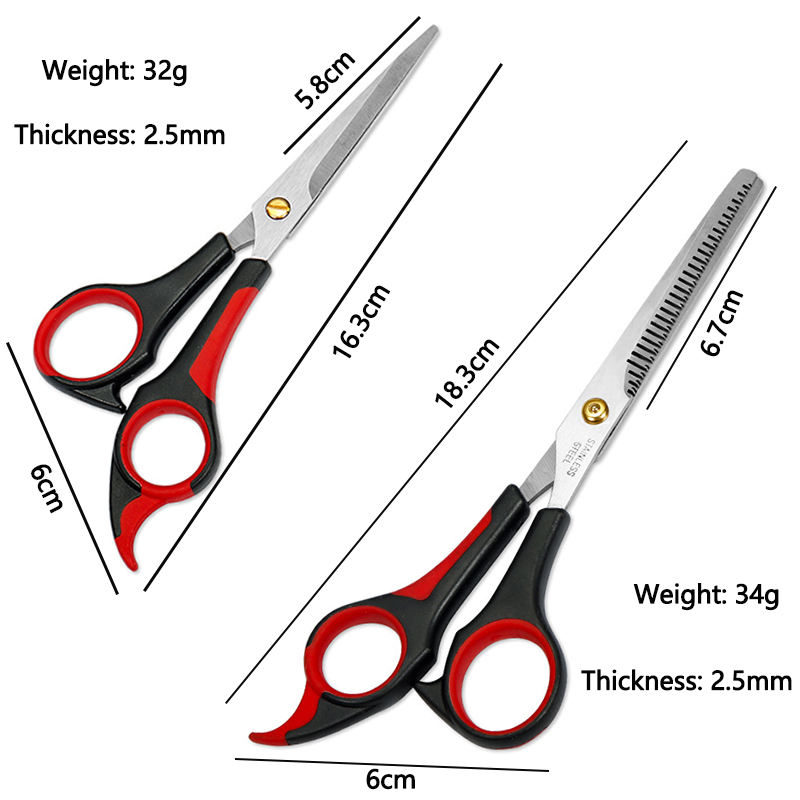
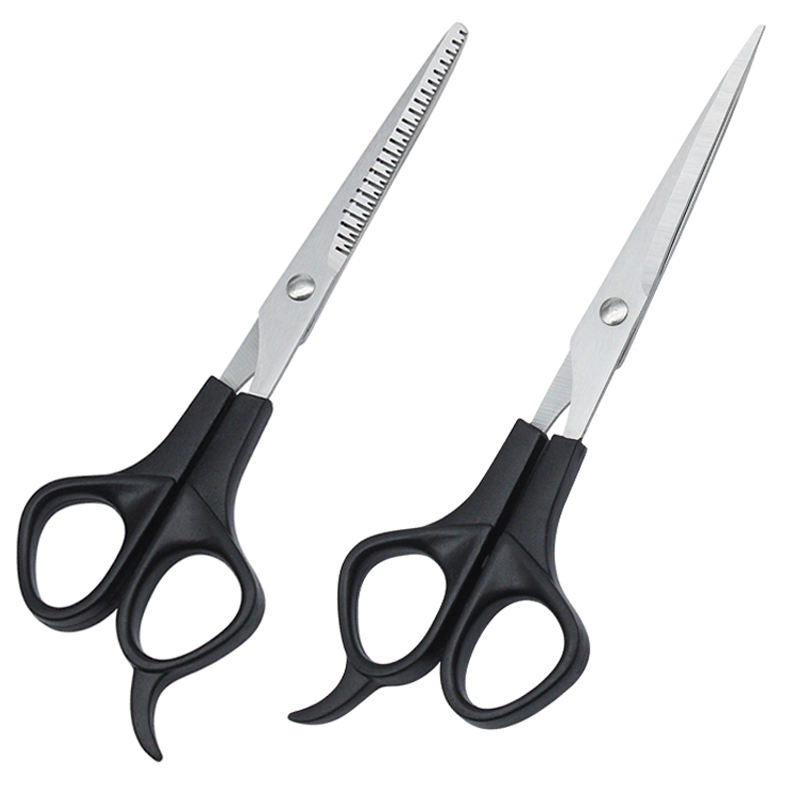
Many professional shear sets now include a complimentary feather razor, giving you a convenient way to begin or upgrade your razor skills without a separate purchase.
As an expert, one of the most important skills is knowing when not to use a razor.
Razor cuts are ideal when:
- The client wants soft, airy layers with movement.
- Hair is medium to thick with generally healthy ends.
- The goal is a lived‑in, textured finish instead of sharp, defined lines.
Use caution or avoid razors when:
- Hair is very fragile, over‑bleached, or highly porous. [linkgraph]
- The client wants a perfectly blunt, solid line (such as a sharp precision bob).
- The client has very tight curls and prefers maximum definition—razors can sometimes disrupt curl pattern if used incorrectly. [otcbeautymagazine]
Balancing these factors shows your experience and puts client hair health first, which in turn builds long‑term loyalty and positive word‑of‑mouth reviews. [creativeos]
Today's salon clients trust other clients' experiences almost as much as professional credentials. [eightohtwo]
In practice, that means:
- Encourage clients who love their new razor‑textured haircut to leave a review mentioning:
- How soft and lightweight their hair feels.
- How easily it styles at home.
- How long the shape lasts between visits. [creativeos]
- Highlight short quotes on your website's product and service pages to create social proof. [otcbeautymagazine]
- Add before‑and‑after photos showcasing:
- Heavy, bulky hair transformed into a more balanced, textured silhouette.
- Male haircuts with cleaned‑up necklines using straight razors. [otcbeautymagazine]
This not only supports your conversion rate, it also reinforces your Expertise and Experience signals for search engines. [productiveblogging]
If you are serious about offering modern, high‑value haircuts, a professional‑grade razor is no longer optional—it is essential. [linkgraph]
- Start with a high‑quality texture razor if you are new to razor cutting.
- Add a straight razor as you grow more confident and want to elevate men's cuts and detailing work.
- Make sure your shears and razors come from a reputable manufacturer that understands professional salon needs and offers reliable OEM and private‑label options. [foremostmedia]
Next step: review your toolkit today, identify any gaps in your razor offerings, and upgrade to tools that match the level of work you want to be known for. [linkgraph]
1. Is a razor cut better than a scissor cut?
Neither is universally "better." Scissors build strong shapes and sharp lines, while razors excel at adding texture, movement, and softness. The best results often come from combining both tools in one haircut. [linkgraph]
2. Can I use a hairstylist razor on dry hair?
Texture/feather razors should be used on wet hair to avoid pulling and split ends. Straight razors can be used on wet or dry hair, but you must consider hair type and condition to prevent damage.
3. Do I need a barber license to use a straight razor?
Regulations vary by state or region. In some places, shaving the skin with a straight razor requires a barber license. Always check your local board rules before offering shaving or detailed razor‑to‑skin services. [foremostmedia]
4. Which razor is best for beginners?
A guarded texture or feather razor is ideal for beginners. The guard adds safety, and the learning curve is smoother while you build confidence with stroke control and sectioning.
5. How often should I change razor blades?
For straight razors, replace disposable blades after every haircut for hygiene and consistent sharpness. For feather/texture razors, follow the manufacturer's guidelines and change blades as soon as you notice drag or decreased performance. [foremostmedia]
- Scissortec. "Best Hairstylist Razor." Accessed 2026. <https://scissortec.com/blogs/news/best-hairstylist-razor>
- Productive Blogging. "15 Easy Ways to Improve Your Website's E‑E‑A‑T." 2025. <https://www.productiveblogging.com/eat/> [productiveblogging]
- Foremost Media. "Google's E‑E‑A‑T Algorithm Rewards Quality Content – Manufacturing Websites." 2023. <https://www.foremostmedia.com/resources/blog/posts/how-to-take-advantage-of-google-e-e-a-t-for-manufacturing-websites> [foremostmedia]
- Avalanche Creative. "SEO for Hair Salons: A Complete Guide." 2019. <https://avalanchegr.com/blog/seo-for-salons> [avalanchegr]
- LinkGraph. "SEO for Hair Salons and Hairdressers: Benefits, Strategies, and Tips." 2025. <https://www.linkgraph.com/blog/seo-for-hair-salons/> [linkgraph]
- OTC Beauty Magazine. "Building a Beauty Blog: Engaging Content Ideas to Attract New Customers." 2025. <https://otcbeautymagazine.com/building-a-beauty-blog-engaging-content-ideas-to-attract-new-customers/> [otcbeautymagazine]
- Relativity SEO. "Cutting Through the Noise: 5 SEO Strategies Every Bradenton Hair Salon Should Know." 2025. <https://relativityseo.com/cutting-through-the-noise-5-seo-strategies-every-bradenton-hair-salon-should-know/> [relativityseo]
- Bookeo. "The Complete Guide to Hair Salon SEO: Attract More Clients & Boost Bookings." 2024. <https://www.bookeo.com/news/2024/08/complete-guide-hair-salon-seo-attract-clients-boost-bookings/> [bookeo]
- CreativeOS. "How to Promote a New Beauty Product: Effective Strategies for 2026." 2026. <https://creativeos.com/blog/how-to-promote-a-new-beauty-product/> [creativeos]
- Eight Oh Two. "Beauty Industry SEO Tips for an Integrated Strategy." 2025. <https://eightohtwo.com/blog/dominating-beauty-industry-seo-tips-for-integrated-content-strategy/> [eightohtwo]


