
English 


Views: 222 Author: Kingford Scissors Publish Time: 2026-04-24 Origin: Site


As a stylist, you've probably heard strong opinions about thinning shears—some swear by them, others avoid them entirely. Used correctly, though, thinning (blending) shears are one of the most efficient tools for creating seamless, soft, and modern haircuts. [salonshearsdirect]
In this in‑depth guide, I'll walk you through when and how to blend haircuts with thinning shears, common mistakes to avoid, and pro techniques from behind the chair, so you can use them with confidence on different hair types. [scissortec]
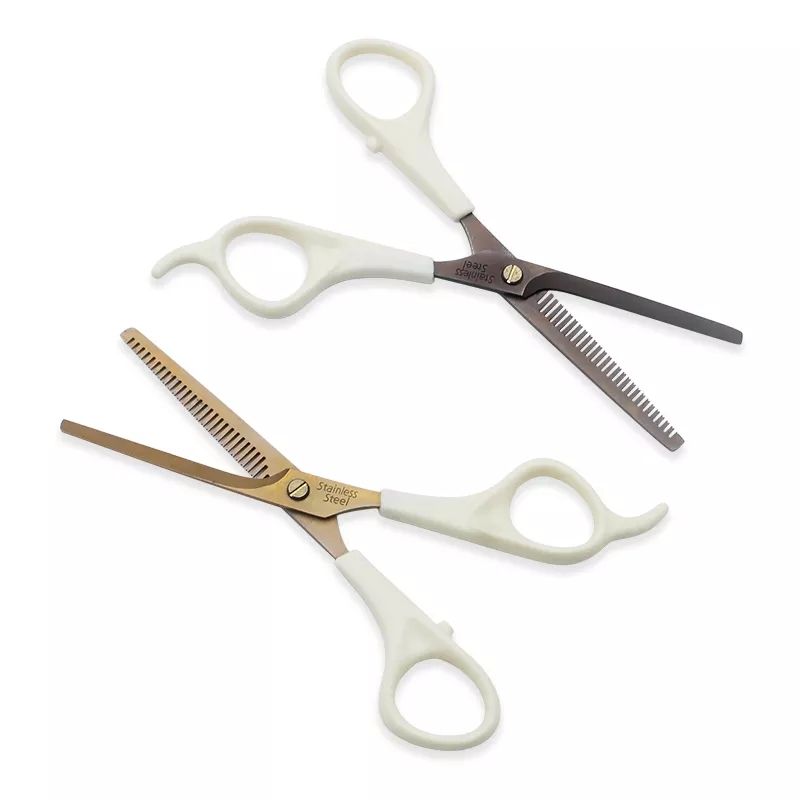
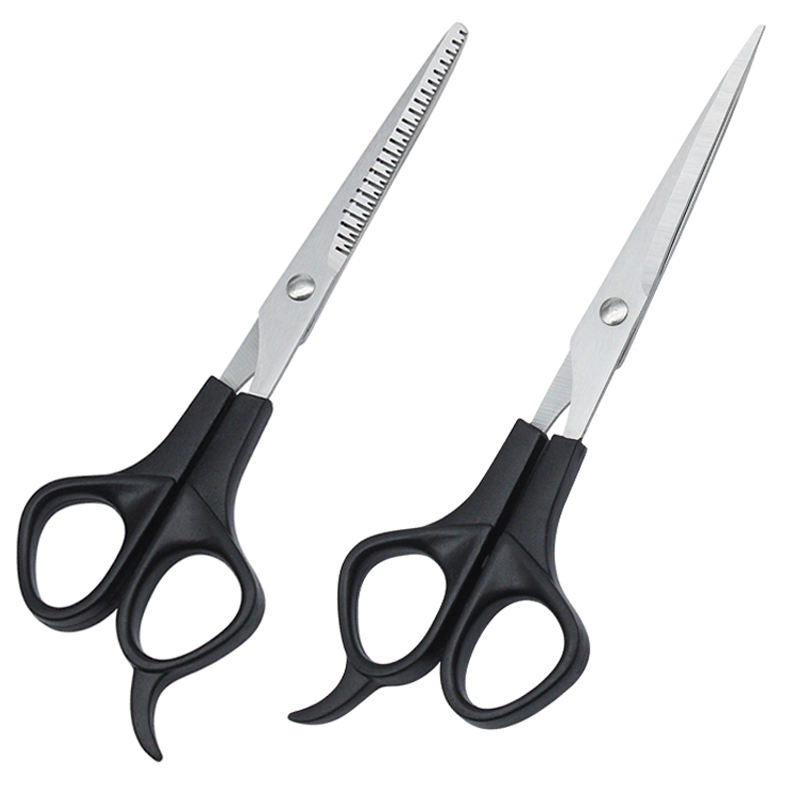
Thinning shears—also called blending shears or finishing shears—look similar to standard cutting shears, but only one blade is straight while the other has teeth. Each cut removes a controlled percentage of hair, instead of a solid straight line. [bigmarketing]
- Thinning / Blending shears
- Usually 25–40 teeth. [scissortec]
- Designed to remove bulk, blend lines, and finish haircuts. [bigmarketing]
- Finer teeth = softer, more even weight removal. [scissortec]
- Texturizing shears
- Usually 5–25 teeth. [salonshearsdirect]
- Remove more hair per cut, creating strong, chunky texture. [salonshearsdirect]
- Ideal for thick hair or bold, piecey effects. [bigmarketing]
Key idea:
Use thinning/blending shears to soften and blend; use texturizing shears to create bolder texture and remove heavy bulk. [salonshearsdirect]
Even experienced stylists can feel nervous about thinning shears because overuse can cause frizz, holes, or see‑through ends—especially on fine or curly hair. At the same time, when handled with intention, they can: [scissortec]
- Soften harsh lines in bobs, pixies, and fades. [bigmarketing]
- Blend layers in long and medium cuts. [salonshearsdirect]
- Reduce bulk on thick or coarse hair without sacrificing length. [scissortec]
- Add movement and weightless finishes that are hard to achieve with straight shears alone. [bigmarketing]
From an industry perspective, modern haircut trends favor soft edges, natural movement, and invisible transitions—exactly the kind of finish that high‑quality thinning shears are designed to create. [youtube]
Yes. When used correctly on the right hair types, thinning shears are one of the best tools for blending haircuts—from layered long cuts to short crops and men's fades. [salonshearsdirect]
Blending with thinning shears is about:
- Working mainly on dry hair so you can see the weight and shape clearly. [scissortec]
- Targeting mid‑lengths and ends, not the roots. [bigmarketing]
- Using light, controlled, repetitive cuts instead of aggressive, deep cutting. [salonshearsdirect]
On long or medium lengths, your goal is usually to remove bulk and create seamless layers without losing overall length. [scissortec]
Practical steps:
1. Work on dry hair.
After the main shape is cut and blown dry, you can clearly see heavy or bulky areas. [bigmarketing]
2. Elevate sections.
Take a vertical or diagonal section, elevate it, and dust just the ends with your thinning shears. [scissortec]
- Think of it as lightly "brushing" the ends rather than cutting hard into them. [bigmarketing]
3. Blend the layers.
Use small, repeated cuts through the mid‑lengths and ends to soften the line between longer and shorter sections. [salonshearsdirect]
4. Check movement.
Comb the hair down, shake it out, and evaluate the flow. Add a few extra passes only where you still see weight lines. [salonshearsdirect]
Result: Soft, flowing layers with no obvious "step" between lengths. [scissortec]
In short styles, any harsh line or visible transition stands out immediately. Thinning shears are ideal for softening those lines. [bigmarketing]
You can use thinning shears for:
- Scissor‑over‑comb:
Run thinning shears over the comb instead of a straight shear to instantly soften the transition between lengths. [scissortec]
- Blending clipper lines:
After clipper work, use blending shears slightly above the line to remove weight and create a more natural fade. [youtube]
- Softening fringes and edges:
Around the hairline, temples, and nape, a few light passes will remove bulk and remove that "helmet" look. [salonshearsdirect]
Pro tip: Work with light pressure and fewer repeated cuts on short hair—overdoing it in a small area will show immediately. [youtube]
Bangs and face‑framing pieces draw attention directly to the client's face, so any harsh lines are very visible.
- Thinning shears:
Use these to soften the edge of blunt or curtain bangs, giving them a more lived‑in, airy look. [bigmarketing]
- Texturizing shears:
When bangs feel heavy or dense, a few passes with texturizing shears will remove more interior weight and add texture. [scissortec]
Always start slow and low (toward the ends), then work upward if needed. [bigmarketing]
Using thinning shears is not just about the cut—it's about the hair type and texture. [salonshearsdirect]
You *can* use thinning shears on fine hair, but you must be very conservative. [scissortec]
- Best used only for blending, not aggressive debulking. [bigmarketing]
- Focus on dusting the ends to blend soft layers and add a bit of volume. [scissortec]
- Avoid multiple passes in the same area to prevent holes or see‑through patches. [bigmarketing]
Rule of thumb: One light pass is often enough on fine hair. [scissortec]
This is where thinning and texturizing shears can really shine.
- Use thinning shears to reduce weight in the interior of the cut, focusing on mid‑lengths and below. [bigmarketing]
- For very dense hair, add selective passes with texturizing shears to open up movement. [salonshearsdirect]
- Avoid cutting too close to the scalp, which can cause shorter hairs to stick up or create visible bulk lines. [scissortec]
For curly hair, most experts recommend avoiding thinning shears altogether. [bigmarketing]
- The close teeth can disturb curl patterns, cause frizz, and create uneven spring factors. [scissortec]
- Removing weight randomly inside curls can leave the ends frizzy and thin instead of defined. [bigmarketing]
If you choose to use texturizing tools on curly hair, stick to:
- Very limited, strategic sections, and
- Techniques designed specifically for curls (often better done with point cutting and curl‑by‑curl methods). [japanscissors.com]
This section outlines a practical, repeatable workflow you can use in the salon.
Before you pick up your thinning shears, make sure:
- The basic shape of the cut is complete with straight shears or clippers. [scissortec]
- Hair is fully dry and styled in the way the client will usually wear it. [bigmarketing]
- You have identified where the hair feels heavy or visually unbalanced—around the crown, occipital, sides, or fringe. [salonshearsdirect]
1. Section with purpose.
Divide the hair into clear zones: top, sides, back, and fringe. Work one zone at a time to maintain control. [scissortec]
2. Choose your angle.
- Vertical sections = softer, more diffused removal.
- Horizontal sections = more even bulk removal. [salonshearsdirect]
3. Elevate and cut lightly.
Elevate the section and place the thinning shears at mid‑length to ends, making light, controlled cuts. [bigmarketing]
- Avoid cutting at the root to prevent frizz and sticking up hairs. [scissortec]
4. Comb and assess after each pass.
After each small area, comb the hair down, shake it, and visually check the blend. [bigmarketing]
- Add more only where you still see weight or lines. [youtube]
5. Detail and refine.
Use scissor‑over‑comb with thinning shears around edges and transitions to polish the final shape. [youtube]
Even skilled stylists can run into problems if they treat thinning shears like regular scissors.
Top mistakes to avoid:
- Using thinning shears on wet hair
- Wet strands cling together, so each cut can remove more hair than intended, leading to over‑thinning. [scissortec]
- Always blend on dry hair for better control. [bigmarketing]
- Cutting too high on the hair shaft
- Thinning close to the roots can cause short hairs to stick out and create fuzzy volume in the wrong places. [scissortec]
- Over‑using on fine or curly hair
- Can produce holes, frizz, and see‑through ends. [bigmarketing]
- Too many passes in one area
- Repeated cuts in the same spot dramatically increase weight removal and can destroy the shape. [salonshearsdirect]
From a manufacturer's perspective, the design and material of thinning shears directly affect blending performance and comfort.
High‑performing professional thinning shears typically feature:
- Premium Japanese steel for sharp, durable edges and smooth cutting feel. [scissortec]
- Balanced 6‑inch length to combine control with reach. [bigmarketing]
- Offset handle design to reduce wrist strain and support natural cutting posture. [scissortec]
- Precise tension adjustment to keep cuts clean without snagging, plus a protective case and maintenance tools for long‑term performance. [bigmarketing]
For salons and barbershops, investing in professional‑grade thinning shears designed for daily use helps ensure consistent results, better ergonomics, and longer tool life. [bigmarketing]
Based on common best practices shared by experienced educators and stylists, consider these advanced pointers when blending with thinning shears:
- Start with fewer cuts than you think you need. You can always remove more hair, but you can't put it back. [salonshearsdirect]
- Adjust your angle for the result you want.
- More vertical = softer, diffused blending.
- More horizontal = stronger debulking. [salonshearsdirect]
- Don't forget gravity. Always check your work with the hair falling naturally, not just over‑directed. [scissortec]
- Combine tools. Sometimes the best result comes from a mix of point cutting with straight shears plus a light pass of thinning shears to finish. [youtube]
To make this more useful in real‑world salon situations, here are quick scenarios and how to approach them:
| Client scenario | Recommended thinning shear use |
|---|---|
| Long, thick hair feels heavy at the bottom | Debulk mid‑lengths and ends with vertical sections; avoid over‑thinning the perimeter. (bigmarketing) |
| Medium layered cut looks “blocky” | Dust ends where short and long layers meet to soften the step. (bigmarketing) |
| Men’s fade line is too harsh | Use thinning shears above the line with scissor‑over‑comb for a natural gradient. (bigmarketing) |
| Fine hair bob looks stiff | One light pass on the ends to soften and add movement; no interior thinning. (bigmarketing) |
| Curly hair feels bulky | Prefer curl‑specific cutting techniques; avoid thinning shears to prevent frizz. (bigmarketing) |
If you're ready to upgrade your blending and finishing work, the next step is to invest in reliable, salon‑grade thinning shears designed for daily professional use. [scissortec]
- Review your current tool set.
- Identify whether you need a high‑tooth blending shear for soft finishing, a lower‑tooth texturizer for debulking, or both. [salonshearsdirect]
- Choose tools made from high‑quality steel with ergonomic handles to protect your hands and deliver consistent performance cut after cut. [bigmarketing]
When your tools are engineered for precision and comfort, it becomes much easier to blend haircuts cleanly, work faster, and maintain high standards for every client. [bigmarketing]
1. Are thinning shears and blending shears the same thing?
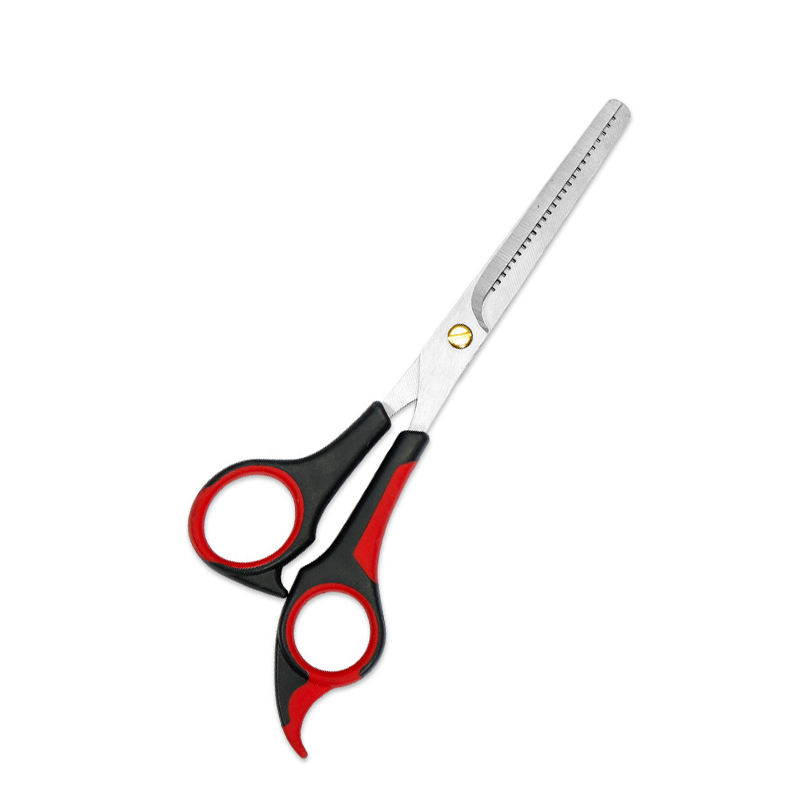
In most salon conversations, yes. Thinning or blending shears typically have 25–40 teeth and are used for blending and finishing, while texturizing shears have fewer teeth and remove more hair per cut. [japanscissors.com]
2. Can I use thinning shears on wet hair?
It's not recommended. On wet hair, strands stick together and each cut removes more hair than you expect, increasing the risk of over‑thinning. For better control, always blend on dry hair. [scissortec]
3. How do I avoid creating holes in a haircut with thinning shears?
Use light pressure, work mainly on mid‑lengths and ends, and avoid multiple passes in the same spot—especially on fine or thin hair. [salonshearsdirect]
4. Are thinning shears safe for curly hair?
Generally, no. Thinning shears can disrupt curl patterns and create frizz or uneven spring. Most curl specialists prefer curl‑by‑curl cutting with straight shears instead. [salonshearsdirect]
5. How often should I replace my thinning shears?
It depends on usage and maintenance, but professional shears made from high‑quality steel and serviced regularly can last for years while delivering clean, precise results. [scissortec]
1. Scissor Tech USA – "Can You Blend Haircuts With Thinning Shears"
<https://scissortec.com/blogs/news/can-you-blend-haircuts-with-thinning-shears> [bigmarketing]
2. Salon Shears Direct – "How to Use Blending Shears for Optimal Haircutting Results"
<https://salonshearsdirect.com/blog/from-bulk-to-balance-how-to-use-blending-shears-for-optimal-haircutting-results> [salonshearsdirect]
3. Japan Scissors – "Are Thinning Shears Same As Blending? Thinning VS Blending Scissors"
<https://www.japanscissors.com.au/blogs/japan-scissors-blog/thinning-vs-blending-scissors> [japanscissors.com]
4. Sam Villa Education – "How and When to use a Blending Shear" (YouTube)
<https://www.youtube.com/watch?v=XvocUN3tR6c> [youtube]
5. Foundation Agency – "How to Optimise Your Beauty Content for AI Overviews"
<https://foundationagency.co.uk/blog/how-to-optimise-your-beauty-content-for-ai-overviews/> [foundationagency.co]
6. Manufacturing / Beauty SEO Best Practices – multiple sources
- Manufacturing SEO strategies: <https://bigmarketing.com/manufacturing-seo/> [bigmarketing]
- SEO for beauty brands: <https://womanaroundtown.com/contributed/the-ultimate-guide-to-seo-for-beauty-brands-strategies-benefits-and-best-practices/> [womanaroundtown]


