
English 


Views: 222 Author: Kingford Scissors Publish Time: 2026-04-18 Origin: Site


If you cut hair for a living, your shears are not "just tools" – they are an extension of your hands, your technique, and your reputation. Sharp, well‑maintained hair shears create cleaner lines, smoother textures, and more comfortable client experiences, while dull blades quietly damage hair, strain your wrists, and slowly erode client trust. [shihanshears]
As an OEM scissors manufacturer working with global brands and professional sharpeners, we see the same pattern in salons and barbershops worldwide: stylists tend to wait too long to sharpen their shears. The result is more rework, more stress, and shorter shear lifespans. [bonika]
In this guide, you'll learn the clear, practical signs your hair shears need sharpening, how to troubleshoot issues before sending them out, and how to maintain professional shears so they last longer and perform like new. [scissorwarrior]
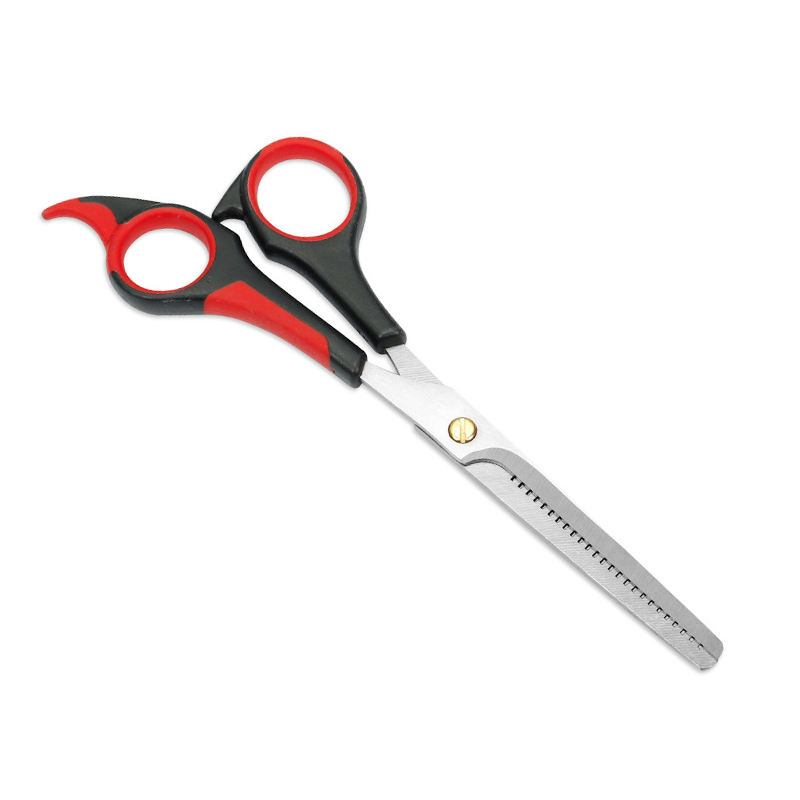
Use this quick list during your workday. If you notice one or more of these, it's time to stop using that pair and schedule a service. [shihanshears]
1. You dropped your shears – even once.
2. Hair is pushing, bending, or folding instead of cutting cleanly. [shihanshears]
3. Your wrists, fingers, or forearm feel unusually strained after cutting.
4. Blunt lines are hard to achieve; hair shifts or escapes the blades.
5. Clients feel pulling or snagging during slide cuts or texturizing. [scissorwarrior]
6. Cuts sound "crunchy" and the blades no longer feel smooth. [shihanshears]
If cleaning and tension adjustments don't fix these issues, your hair cutting shears almost certainly need professional sharpening. [scissorwarrior]
Every experienced stylist has lived through the dreaded moment: the shears slip off the station and hit the floor.
What actually happens when you drop shears?
- The tips and edges can chip or nick, even if you cannot see it. [shihanshears]
- The alignment can shift, causing one blade to ride incorrectly against the other.
- Over time, this micro‑damage leads to pushing, folding, and "crunchy" cutting, even if the shears are fairly new. [shihanshears]
Professional response as an expert:
- Stop using that pair immediately. Continuing to cut can worsen damage to the blades.
- Inspect under good light for visible nicks, dents, or bent tips.
- Perform a quick clean + oil + tension check (see maintenance section below). [scissorwarrior]
- If anything feels off – rough closing, visible damage, or uneven cutting – send them for sharpening and servicing. [scissorwarrior]
From a manufacturer's perspective, we see a strong correlation between "post‑drop continued use" and shorter edge life when the shears eventually reach a sharpening service. [bonika]
One of the most obvious signs your hair shears need sharpening is when hair no longer cuts in a clean, controlled line. [kenchiibeauty]
Common symptoms:
- Hair pushes forward instead of staying in place between the blades. [shihanshears]
- Sections bend or fold rather than being sliced in one smooth motion.
- You find yourself closing the shears harder to finish a cut. [shihanshears]
Possible causes from an expert view:
- Dull edges from normal wear. [shihanshears]
- Incorrect tension – too loose causes bending, too tight causes pushing.
- Poor previous sharpening, where the blade angle was altered or edge was over‑ground. [scissorwarrior]
What to do before sending for sharpening:
1. Clean the blades thoroughly. Wipe with a soft cloth, then use a bit of rubbing alcohol to remove product build‑up and hair fragments.
2. Oil at the pivot point. One drop of shear oil where the blades meet often restores smoother movement. [scissorwarrior]
3. Perform a tension test:
- Hold shears by the finger hole, open blades to roughly 90°.
- Lift the thumb ring and let it drop naturally.
- If the blade stays above 45°, tension is too tight and may push hair.
- If it closes past 45°, tension is too loose and may bend hair.
If proper cleaning and tension adjustment don't solve the pushing or bending, this is a clear sign your shears need a professional sharpen. [shihanshears]
Stylists and barbers often accept pain as "part of the job," but dull shears dramatically increase strain on your hand and wrist. [shihanshears]
What you might notice in daily work:
- Your hand feels tired halfway through a full day of clients.
- You need to squeeze harder to complete cuts, especially with thick or coarse hair.
- Your wrist feels tight or sore, even when using ergonomic shears.
Why dull shears create pain:
- More resistance in the cut means more muscle force with every single closing motion. [shihanshears]
- Over hundreds of cuts per day, this adds up to significant repetitive strain, contributing to long‑term issues like carpal tunnel and tendinitis. [scissorwarrior]
Expert recommendation:
- First, double‑check your tension and cutting technique, but if you're still working harder than usual, it's time for sharpening. [scissorwarrior]
- Pair ergonomic handle design with consistent sharpening to protect your hands over the span of your career. [scissorwarrior]
Struggling to create a clean blunt line is more than a styling challenge – it's a diagnostic signal. [shihanshears]
Typical issues when shears are dull:
- The hair shifts or slides as you close the blades, especially in one‑length cuts.
- You see uneven or fuzzy ends instead of crisp, straight lines. [shihanshears]
- You have to go back over the same section multiple times to perfect the line.
From an experienced stylist's perspective, the joy of a new or freshly sharpened shear is that it cuts hair "like butter" – clean, decisive, and predictable. When that feeling disappears, it typically means the edge has worn down enough to affect precision work. [kenchiibeauty]
If you've verified your technique and sectioning and still cannot get sharp lines, it's time to schedule a sharpening service. [scissorwarrior]
Client comfort is one of the strongest real‑world warnings that your hair shears need sharpening. [kenchiibeauty]
Warning signs from the client side:
- Clients flinch or say "ouch" during slide cutting or texturizing. [shihanshears]
- You feel the hair dragging or catching instead of gliding. [shihanshears]
- Hair appears frayed or rough at the ends after finishing. [kenchiibeauty]
What this tells us as manufacturers and sharpeners:
- The edge geometry may be incorrect for slide cutting, especially on convex Japanese‑style shears. [bonika]
- The shears might have been sharpened on the wrong equipment (for example, a grinder suited to beveled edges, not convex). [bonika]
- The blades could have micro‑damage from drops, chemical exposure, or repeated cutting on dirty, product‑heavy hair. [shihanshears]
Immediate action steps:
- Stop using that pair for slide cutting to avoid damaging the hair cuticle. [shihanshears]
- Use them only for basic blunt cutting if they still perform adequately, and book sharpening as soon as possible.
- Long term, work with a certified shear sharpener who understands the difference between convex and beveled edges. [bonika]
A subtle but important indicator is a change in sound or feel when your shears cut. [shihanshears]
Red flags to watch for:
- A distinct "crunchy" or grinding sound as the blades close.
- A rough, inconsistent drag through the hair instead of a smooth glide.
- The shear no longer feels "silky" when you open and close it in the air.
This often indicates nicks, dents, or edge damage from:
- Dropping the shears on a hard surface.
- Contact with metal combs, clips, or other tools.
- Improper sharpening or over‑grinding of the blades. [scissorwarrior]
From a technical standpoint, once that smooth glide and quiet cut disappear, the precision of the edge has been compromised, and the hair is being mashed or torn rather than cleanly sliced. A professional sharpening and re‑alignment are the right solution. [scissorwarrior]
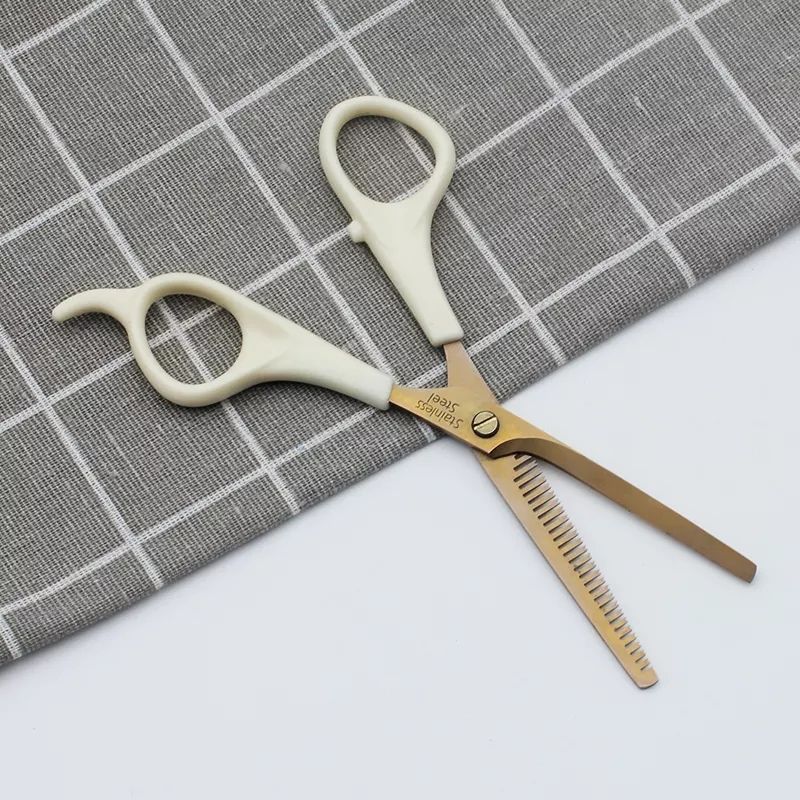
Not every cutting issue means the edge is dull. As both manufacturers and maintenance trainers, we always recommend a simple maintenance protocol before you ship your shears out. [scissorwarrior]
- Switch tools as soon as something feels "off."
Avoid forcing a questionable pair through a full day of work.
- Clean the blades thoroughly.
- Use a soft cloth to wipe away hair and product build‑up after each day.
- Use a bit of rubbing alcohol on the cloth to remove residue and sanitize, avoiding soaking the pivot.
- Oil the pivot regularly.
- Place a single drop of shear oil at the screw or pivot where the blades meet. [scissorwarrior]
- Open and close the shears several times to distribute the oil, then wipe away excess.
1. Hold the shear vertically by the finger ring.
2. Open the blades to about 90 degrees.
3. Lift the thumb ring, then let it fall under its own weight.
4. Evaluate:
- If the blade stops above 45 degrees, tension is too tight (often causes pushing).
- If the blade falls past 45 degrees, tension is too loose (often causes bending).
A correct tension setting will protect your edge, reduce wear, and improve cutting feel, extending the time between sharpenings. [scissorwarrior]
In real salons and barbershops, the best answer is: "earlier than you think."
Based on professional practice and manufacturer guidelines:
- Many brands recommend sharpening every 3–6 months for actively used shears. [scissorwarrior]
- Lighter‑use stylists may be comfortable with 1–2 sharpenings per year, but only if they also follow proper cleaning and tension routines. [scissorwarrior]
- Barbers and high‑volume salons often need more frequent sharpening, as they perform more cuts per day and typically work on coarser or thicker hair. [scissorwarrior]
A good rule of thumb from an expert standpoint:
> If your shears no longer cut the way they did when they were new or freshly sharpened, it's time to sharpen – regardless of the calendar. [shihanshears]
Not all sharpening methods are suitable for professional salon shears. As an OEM manufacturer that supplies high‑performance shears for different markets, we see three key factors that separate good sharpening services from risky ones. [bonika]
1. Right equipment for your edge type
- Convex Japanese‑style shears (common for slide cutting) perform best when sharpened on a flathone system or specialized convex honing tools, not generic grinding wheels. [bonika]
- Beveled‑edge shears are more tolerant of traditional grinding machines but still require precise control of angles. [scissorwarrior]
2. Skill and certification
- Look for sharpeners with specific training in beauty and hairdressing shears, not just generic knife or tool sharpeners. [aboveshears]
- Ask what brands they typically service and whether they can restore the original factory angles. [bonika]
3. Performance guarantee
- Reliable sharpeners often provide a performance window (for example, your shears should perform like new for a similar period as before). [scissorwarrior]
- If your shears feel dull again after only a few days, it may indicate poor technique or unsuitable equipment, and you may need a different professional service. [scissorwarrior]
As an OEM scissors manufacturer, we collaborate with brands, distributors, and sharpeners to design shears that balance edge sharpness, durability, and ergonomics. [bonika]
Key design factors that affect how often you need sharpening:
- Steel quality:
Higher‑grade steels (for example, premium stainless or Japanese steels) retain their edge longer than low‑end alloys, reducing how frequently you need to sharpen. [scissorwarrior]
- Edge geometry:
- Convex edges give smoother, cleaner slide cuts but require specialized sharpening. [bonika]
- Beveled edges are slightly more durable in rough use but may not glide as effortlessly for advanced techniques. [scissorwarrior]
- Ergonomic design:
Handles designed around natural hand posture reduce strain and fatigue, especially when paired with properly maintained edges. [scissorwarrior]
When you choose OEM‑backed professional shears and combine them with correct maintenance and sharpening, you extend the working life of your tools and keep performance consistent for years. [bonika]
When you recognize one or more signs your hair shears need sharpening, follow this simple, expert‑approved process:
1. Stop using the problematic shear on clients.
2. Clean, oil, and perform a tension test to rule out basic maintenance issues. [scissorwarrior]
3. If problems persist, book a professional sharpening with a certified beauty shear specialist. [bonika]
4. Rotate to a backup pair of professional shears while your favorite pair is being serviced.
5. Track how long your shears perform well between services and set a maintenance schedule (for example, every 3–6 months). [scissorwarrior]
If you are a brand owner, wholesaler, or professional salon chain, working directly with an OEM scissors manufacturer allows you to:
- Develop shears optimized for your target salon or barber segment. [bonika]
- Align steel, edge geometry, and ergonomics with the reality of everyday cutting in your market. [bonika]
- Provide your customers not only with high‑quality shears, but also with clear sharpening and maintenance guidelines that extend tool life. [foremostmedia]
When your stylists know exactly when and how to sharpen their shears, they deliver better cuts, protect their hands, and protect your brand's reputation at the same time. [foremostmedia]
If you're looking to develop or source professional hair shears under your own brand, contact our OEM team to discuss custom designs, materials, and long‑term supply partnerships. [foremostmedia]
Q1. How do I know if my hair shears are dull or just have incorrect tension?
A: Start with the 45‑degree tension test and basic cleaning/oiling. If hair still pushes, bends, or feels crunchy while cutting, your shears are likely dull and need professional sharpening. [shihanshears]
Q2. How often should professional stylists sharpen their shears?
A: For most full‑time stylists and barbers, a 3–6‑month interval is a practical guideline, adjusted for cutting volume, hair type, and maintenance habits. [scissorwarrior]
Q3. Can poor sharpening damage my shears permanently?
A: Yes. Using the wrong equipment or grinding away too much metal can change the blade angle, shorten the life of the shears, and reduce cutting performance. That's why choosing a certified beauty shear sharpener is essential. [aboveshears]
Q4. Is it safe to keep cutting after I drop my shears once?
A: It's risky. Even invisible nicks or misalignment can worsen with every cut, leading to more edge damage and poor results on the hair. Always inspect, clean, oil, check tension, and if anything feels wrong, send them in. [shihanshears]
Q5. What's the biggest mistake stylists make with shear maintenance?
A: The most common mistake is waiting until the shears are obviously painful or unusable before sharpening. Sharpen proactively and maintain a consistent cleaning and tension routine to protect your tools and your hands. [kenchiibeauty]
1. Scissortec. "6 Signs Your Hair Shears Need A Sharpen."
<https://scissortec.com/blogs/news/6-signs-your-hair-shears-need-a-sharpen>
2. Shihan Shears. "7 Signs Your Hair Cutting Shears Need Sharpening."
<https://shihanshears.com/blogs/salon-business/7-signs-your-hair-cutting-shears-need-sharpening> [shihanshears]
3. Scissor Warrior. "Professional Hair Scissor Sharpening Services: What You Need to Know."
<https://scissorwarrior.com/blogs/scissor-warrior-world/professional-hair-scissor-sharpening-services-what-you-need-to-know> [scissorwarrior]
4. Bonika. "How to Learn to Sharpen Shears for Hair Salons."
<https://bonika.com/pages/how-to-learn-to-sharpen-shears-for-hair-salons> [bonika]
5. Foremost Media. "How to Take Advantage of Google E‑E‑A‑T for Manufacturing Websites."
<https://www.foremostmedia.com/resources/blog/posts/how-to-take-advantage-of-google-e-e-a-t-for-manufacturing-websites> [foremostmedia]
6. Benchmark Email. "How to Get High‑Quality Insights to Enhance Your Blog Content."
<https://www.benchmarkemail.com/blog/high-quality-insights-blog-content/> [benchmarkemail]
7. IEEE‑USA InSight. "How to Write a Compelling Technical Blog."
<https://insight.ieeeusa.org/articles/how-to-write-a-compelling-technical-blog/> [insight.ieeeusa]
8. Kenchii Beauty. "6 Signs Your Beauty Hair Shears Need A New Sharpening."
<https://kenchiibeauty.com/blog/6-signs-your-beauty-hair-shears-need-a-new-sharpening/> [kenchiibeauty]


