
English 


Views: 222 Author: Kingford Scissors Publish Time: 2026-04-19 Origin: Site


Choosing the best cosmetology scissors is one of the most important decisions in your career as a stylist or cosmetology student. The right shears don't just cut hair; they protect your hands, elevate your technique, and directly impact how your clients feel walking out of the salon. [scissormall]
In this guide, I'll walk you through how professional stylists actually choose their scissors in the real world, then layer in what we've learned from years of OEM scissor manufacturing for global brands at Kingford Homeware Co., Ltd. By the end, you'll know exactly what to look for in your next pair of cosmetology shears—and how to match the right tool to your level, budget, and cutting style. [ydscissors]

For most cosmetologists, shears are the single tool you use on every client, every day. Just like a chef invests in high‑end knives instead of cheap kitchen scissors, a stylist needs reliable, sharp shears designed specifically for hair. [galaxus]
What happens when your scissors are wrong?
- Uneven or frayed ends that refuse to lie smoothly.
- Extra passes over the same section, causing client discomfort.
- Wrist, thumb, and shoulder strain after long days behind the chair. [scissormall]
- More frequent sharpening or premature replacement, wasting money over time. [marlobeauty]
What happens when your scissors are right?
- Clean, precise lines with fewer strokes.
- Faster appointments without rushing.
- Less hand fatigue, even during heavy cutting days. [galaxus]
- Happier clients who notice the difference in both comfort and results.
From a manufacturing perspective, we see this in hard data: better steel, better edge geometry, and better ergonomics always translate into fewer returns and longer product lifecycles for our OEM partners. [ydscissors]
When you first start cutting hair in cosmetology school, you don't need the most expensive scissors on the market—but you do need a solid, all‑round professional shear. [galaxus]
As a student or new stylist, you're:
- Learning basic one‑length, layered, and bob haircuts.
- Practicing on different hair textures with limited budget.
- Still refining your hand position and technique.
The original Scissortec guidance is spot‑on here: start with one high‑quality, mid‑priced shear instead of a cheap multi‑piece kit. Cheap scissors lose their edge quickly, which forces you to use more pressure, often leading to bad habits and client discomfort. [marlobeauty]
Ideal specs for student cosmetology scissors:
- Size: 5.5–6.0 inch blades for control and versatility. [marlobeauty]
- Material: Japanese stainless steel for light weight and durability. [marlobeauty]
- Handle: Offset handle for more neutral, ergonomic thumb position. [scissormall]
- Edge: Standard sharp edge (not necessarily high‑maintenance convex yet).
From a manufacturing point of view, this combination gives the best balance between cost, sharpness retention, and ease of control for beginners. [ydscissors]
Today, true left‑handed shears are widely available and should always be chosen over "flipped" right‑hand models for left‑handed stylists. This is crucial for: [galaxus]
- Proper blade alignment and cutting action.
- Preventing long‑term wrist and thumb strain.
The original article also highlights double‑handed shears as an option for ambidextrous hairdressers, giving more freedom to switch hands as needed. [galaxus]
One of the most common questions cosmetology students ask is:
> "What size scissors should I use as a cosmetologist?"
The original article recommends starting with 5.5 or 6 inch shears, and industry guides confirm this as the sweet spot for general use. [scissormall]
| Shear length | Best for | Typical user |
|---|---|---|
| ~5.0 inch | Detail work around ears, hairline, fringe | Precision‑focused stylists |
| 5.5–6.0 in | Everyday cuts, bobs, layers, most school work | Cosmetology students, salon stylists (galaxus) |
| 6.5–7.0 in | Scissor‑over‑comb, men’s cuts, fast blunt lines | Barbers, high‑volume cutters (scissormall) |
Your first shear should usually be in the 5.5–6.0 inch range for maximum control while learning. As you advance, adding a shorter detail shear and a longer barbering shear can round out your kit. [marlobeauty]
After sharpness, handle design is the most important factor for long‑term comfort. Many stylists only discover this after they start feeling pain. [scissormall]
The original Scissortec article breaks down the main handle types clearly, and industry ergonomics research supports this progression: [galaxus]
- Classic handle
- Both rings are aligned and equal in length.
- Works best for those trained using thumb and middle finger.
- Less popular today due to higher wrist strain over long days.
- Offset handle
- Thumb ring is set slightly back.
- Places hand in a more neutral position.
- Widely considered the modern standard for comfort. [scissormall]
- Crane handle
- A more extreme ergonomic offset with a straighter blade and lowered handle.
- Keeps wrist, thumb, and shoulder in an even more natural position.
- Excellent for stylists with existing wrist or shoulder issues. [galaxus]
In our OEM work, we see growing global demand for offset and crane‑type handles because salons are increasingly aware of repetitive strain injuries and want tools that protect stylist health. [ydscissors]
For stylists with busy books, swivel shears are game‑changers. [scissormall]
- The thumb ring rotates, allowing 360‑degree movement.
- Reduces the need to twist your wrist or lift your shoulder awkwardly.
- Particularly helpful for advanced techniques and long cutting days. [galaxus]
They can feel strange at first, but many experienced stylists report that after a break‑in period, they would never go back to fixed handles. [scissormall]
Your shear's performance depends heavily on blade design and steel quality. This is where OEM manufacturing data and stylist experience intersect.
The original article emphasizes convex blades for advanced cosmetologists, and that aligns with professional practice: [galaxus]
- Standard / semi‑convex blades
- Easier to maintain.
- Good for basic cutting and student use.
- Convex blades
- Extremely sharp "razor‑like" edges.
- Ideal for slide cutting, point cutting, and precision work. [scissormall]
- Require careful handling and high‑quality sharpening services.
For advanced stylists, investing in a convex‑edge shear dramatically improves the feel and finish of detailed cuts, especially on dry hair. [galaxus]
The original article correctly points out that many of the best professional hair cutting shears are made from Japanese stainless steel. Industry resources agree that Japanese and German steels dominate the premium market due to their hardness and edge retention. [jpscissors]
Key points:
- Japanese stainless steel
- Light, corrosion‑resistant, and ideal for sharp, precision edges. [marlobeauty]
- Common in mid‑ to high‑end cosmetology scissors.
- Damascus steel (hairdressing shears)
- Multiple layers (e.g., 17 layers in some premium models) of high‑grade Japanese steel fused together. [galaxus]
- Offers both strength and aesthetic patterning.
- Typically used in top‑tier shears for advanced stylists.
Brands and OEM factories choose these steels because they hold an edge longer, resist chipping, and maintain consistent hardness across the blade. The Matsui Damascus shears mentioned in the original content are a good example of this ultra‑premium category. [ydscissors]
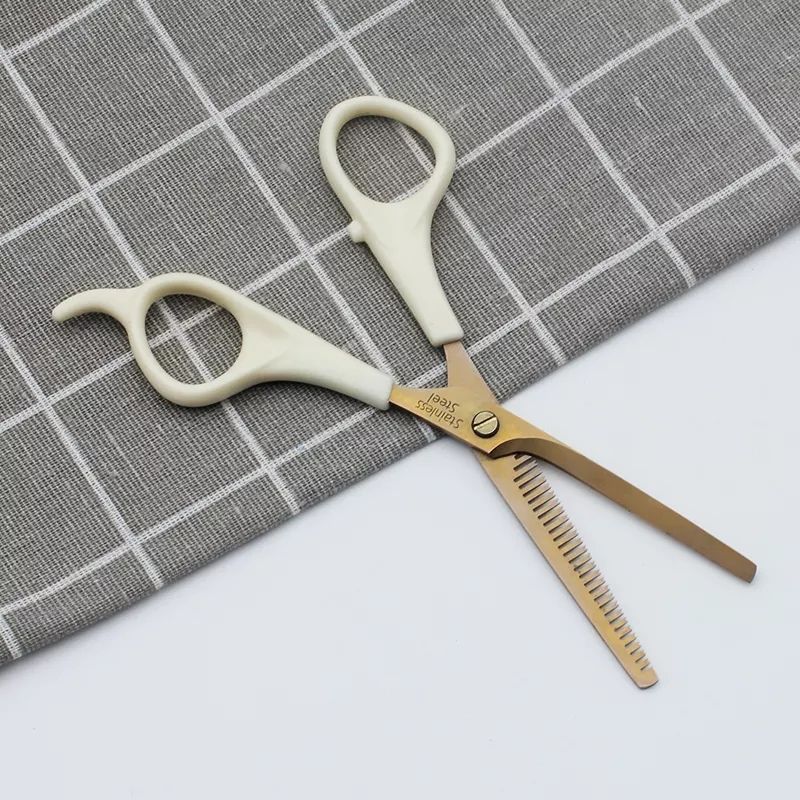
As your skills grow, you'll move from one good all‑rounder to a small, specialized toolkit. The original article highlights the core types, and professional guides confirm these as standard. [scissormall]
1. All‑round cutting scissors (5.5–6.0 in)
- Your everyday workhorse for most cuts.
- Used on wet and dry hair, layers, and standard shapes. [scissormall]
2. Long cutting scissors (6.5–7.0 in)
- Ideal for blunt cuts, bobs, and scissor‑over‑comb, especially in barbering. [galaxus]
3. Thinning scissors
- Blade with "teeth" that remove only part of the hair.
- Used to reduce bulk, soften lines, and blend layers. [scissormall]
4. Texturizing scissors
- Fewer, wider teeth for more "chunky" texture.
- Great for adding movement and softness, especially in fringes/bangs. [galaxus]
5. Swivel or advanced ergonomic shears
- For stylists with heavy daily cutting loads.
- Help prevent long‑term joint strain. [scissormall]
In a typical real‑world salon, senior stylists often rotate between 3–5 shears, each chosen for a specific task and hair type. [scissormall]
Based on both stylist experience and our OEM view of the market, here's a practical way to build your kit over time.
- Buy one mid‑range Japanese steel all‑rounder (5.5–6.0 in, offset handle). [marlobeauty]
- Avoid ultra‑cheap shears marketed as "salon quality" but made from low‑grade steel.
- Focus on: comfort, smooth cutting action, and reliable warranty or sharpening support.
Add:
- A longer shear (6.5–7.0 in) if you do a lot of blunt cuts or scissor‑over‑comb. [galaxus]
- A thinning shear with teeth appropriate for your clientele's hair thickness. [galaxus]
This is also the stage where many stylists upgrade to convex blades for more advanced cutting techniques. [galaxus]
Consider investing in:
- Damascus steel shears or other top‑tier Japanese steel models for maximum sharpness and longevity. [marlobeauty]
- Swivel handle shears to protect your wrists and shoulders during heavy schedules. [scissormall]
- Multiple texture tools (texturizing and specialty shears) tailored to your cutting style.
At this level, your shears are no longer just tools—they are part of your professional identity and brand.
As an OEM manufacturer serving overseas brands, wholesalers, and producers, Kingford Homeware Co., Ltd. sees scissor performance from a different angle. We work from the inside out: material selection, process control, edge geometry, and long‑term durability. [ydscissors]
From our production and client feedback, several factors consistently separate "good" scissors from "great" scissors:
- Consistent steel hardness across the blade for even wear and sharpening. [ydscissors]
- Precision grinding of convex or semi‑convex edges to avoid micro‑chipping. [ydscissors]
- Tight but smooth pivot systems (screws and tension) that allow clean cutting without forcing. [ydscissors]
- Ergonomic handle molds validated with real salon feedback across multiple countries. [ydscissors]
This manufacturing perspective is why we strongly recommend that cosmetologists choose scissors from brands that either own their factories or work closely with reliable OEM partners who specialize in scissors—not generic tools. [ydscissors]
Even the best cosmetology scissors will underperform if they are poorly maintained. Industry guides and salon experience align on these fundamentals. [marlobeauty]
- Wipe blades after each client to remove hair, moisture, and product residue.
- Oil the pivot regularly according to brand instructions for smoother action. [marlobeauty]
- Store shears in a dedicated case, not loose in a drawer or tool bag.
- Avoid dropping or using shears on anything other than hair (no foils, no plastic, no paper).
- Use specialist shear sharpeners who understand convex and hairdressing blades. [marlobeauty]
- Avoid over‑sharpening; each sharpening removes material and shortens blade life.
- Follow brand or manufacturer recommendations for sharpening interval (often every 6–12 months depending on workload).
From our OEM records, scissors that are correctly maintained and sharpened can stay in professional service for many years, even under heavy salon use. [ydscissors]
If you're a cosmetology student, salon owner, or distributor, the next step is simple:
- Students & new stylists: Start with one reliable, Japanese‑steel all‑rounder in the 5.5–6.0 inch range and learn proper handling and maintenance from day one. [marlobeauty]
- Salon owners & educators: Standardize your kits around ergonomic, mid‑range shears that protect your team's hands while maintaining cutting quality. [marlobeauty]
- Brands, wholesalers, and manufacturers: Partner with an OEM specialist that understands scissors from the inside out, from steel selection to final edge, so your labeled products genuinely deliver professional performance. [ydscissors]
When you're ready to develop or source your own line of cosmetology scissors, working directly with an OEM manufacturer like Kingford Homeware Co., Ltd. lets you customize handle designs, blade profiles, and materials for your market—without compromising on professional performance. [ydscissors]

1. What size scissors do most cosmetologists use?
Most cosmetologists use 5.5–6.0 inch shears as their primary everyday scissors because this range balances control and versatility for common cutting techniques. [marlobeauty]
2. Are expensive cosmetology scissors really worth it?
Yes—high‑quality shears made from premium Japanese or German steel hold their edge longer, cut more smoothly, and reduce hand fatigue, which saves money and protects your career over time. [marlobeauty]
3. Should a cosmetology student buy convex shears?
Students can start with semi‑convex or standard sharp shears, then upgrade to convex blades once they have better control and are ready to fully benefit from advanced techniques like slide cutting and precision point cutting. [scissormall]
4. How many scissors does a professional cosmetologist really need?
Most professionals eventually use at least three: an all‑round cutting shear, a longer shear for blunt and barbering work, and a thinning shear; many add texturizing and swivel shears as they specialize. [galaxus]
5. How often should I sharpen my cosmetology scissors?
For regular salon use, many stylists sharpen every 6–12 months, depending on cutting volume, hair types, and maintenance habits, always using a specialist sharpener for hairdressing scissors. [marlobeauty]
1. Scissortec – "Best Cosmetology Scissors" (original source content integrated and expanded).
https://scissortec.com/blogs/news/best-cosmetology-scissors [galaxus]
2. Kingford Homeware Co., Ltd. – Top Scissors Manufacturers in China (OEM capabilities, steel and product positioning).
https://www.ydscissors.com/top-10-scissors-manufacturers-in-china.html [ydscissors]
3. Kingford Homeware Co., Ltd. – Scissors manufacturers and suppliers (OEM expertise and ergonomic focus).
https://www.ydscissors.com/top-scissors-manufacturers-and-suppliers-in-arabia.html [ydscissors]
4. Kingford Homeware Co., Ltd. – OEM partner overview (European and global scissors supply).
https://www.ydscissors.com/top-scissors-manufacturers-and-suppliers-in-switzerland.html [ydscissors]
5. Marlo Beauty – "How To Choose The Best Professional Hair Cutting Shears" (blade lengths, steel and usage guidelines).
https://www.marlobeauty.com/pro2pro/how-to-choose-the-best-professional-hair-cutting-shears/a1294/ [marlobeauty]
6. ScissorMall – "What Kind of Scissors Do Hairdressers Use?" (types of shears, sizes, and ergonomic insights).
https://scissormall.com/what-kind-of-scissors-do-hairdressers-use/ [scissormall]
7. The Insight Partners / industry reports on hair‑cutting scissors market (market overview and types of hair scissors).
https://www.theinsightpartners.com/zh-CN/reports/hair-cutting-scissors-market [theinsightpartners]


