
English 


Views: 222 Author: Amanda Publish Time: 2026-03-16 Origin: Site


Content Menu
● How We Evaluated Scissors Manufacturers for the Arabia Market
>> Data sources and expert interviews
>> Key evaluation criteria focused on real experience
● What Users in Arabia Really Care About When Buying Scissors
>> Different segments, different priorities
>> Common complaints buyers want to avoid
● Top Scissors Manufacturers and Suppliers Serving the Arabia Market
>> Overall top manufacturers serving Arabia
● Customer Experience Highlights: What Makes Kingford Stand Out as an OEM Partner
>> Integrated R&D and OEM flexibility
>> Quality control and certifications
>> Support for different application fields
● Best Scissors Options by Use Case in Arabia
>> Best household and kitchen scissors for Arabia
>> Best professional hairdressing scissors
>> Best school and office scissors
>> Best industrial and heavy‑duty scissors
● Comparison Snapshot: Scissors Suppliers Relevant to Arabia
● How Arabia Buyers Can Build a Winning OEM Scissors Line
>> Step 1: Define target segments and price tiers
>> Step 2: Select an OEM partner with matching capabilities
>> Step 3: Validate with small pilot orders
>> Step 4: Invest in packaging and brand storytelling
>> Step 5: Monitor returns and reviews continuously
● Local Service, After‑Sales, and Logistics Considerations in Arabia
● Price vs. Real Experience: Finding the Right Balance
● Practical Buying Checklist for Scissors in Arabia
● Clear Call to Action for Arabia Buyers
● FAQs
>> FAQ 1 – What types of scissors sell best in Arabia?
>> FAQ 2 – Are OEM scissors good enough for professional salons?
>> FAQ 3 – How can I check if a scissors supplier is reliable?
>> FAQ 4 – What is the typical lead time for scissors orders to Arabia?
>> FAQ 5 – Why do some scissors rust quickly even if they are "stainless steel"?
If you are sourcing scissors for the Arabia market, choosing the right manufacturer can make the difference between repeat orders and constant complaints. From my experience working with importers and distributors in the Gulf region, the suppliers that win long‑term are those who combine sharp cutting performance, reliable after‑sales support, and flexible OEM capabilities tailored to local needs.
In this guide, we will explore the top scissors manufacturers and suppliers in Arabia from the perspective of real user feedback and industry experts, and also show how integrated OEM producers like Kingford Homeware Co., Ltd. can support brands, wholesalers, and industrial buyers with customized solutions.

To build a trustworthy ranking, we considered both quantitative and qualitative data:
- Customer reviews from regional e‑commerce platforms in the GCC
- Feedback from salon owners, school buyers, and light‑industry factories
- Discussions from professional forums and social media groups used by buyers
- Direct interviews with importers and brand owners specializing in household and hardware products
As a consultant working with Middle East B2B buyers, I regularly review user feedback and performance data from repeated orders, return rates, and warranty claims. This allows us to move beyond surface‑level marketing and focus on what actually works in the field.
When assessing scissors manufacturers and suppliers for Arabia, we prioritized:
- Cutting performance over time: How long do scissors stay sharp under real usage?
- Ergonomics and comfort: Are handles comfortable for extended use in salons, offices, and factories?
- Durability and corrosion resistance: How do they perform in humid or coastal environments common in parts of Arabia?
- Consistency between batches: Are bulk OEM orders stable in quality, or do complaints spike after a certain lot?
- Local servicing and lead times: Can suppliers support urgent replenishment and handle after‑sales issues efficiently?
- OEM/ODM flexibility: How easy is it for brands to develop custom lines, packaging, or private labels for local markets?
These criteria reflect what buyers and end‑users in Arabia actually care about, rather than just catalog specifications.
From multiple conversations with GCC buyers, four distinct user segments consistently appear, each with its own priorities:
- Household users: Focus on safety, reasonable price, basic durability, and comfortable grip for daily tasks.
- Professional hairdressers and barbers: Demand precise, smooth cutting, long‑lasting sharpness, and excellent balance.
- Schools and offices: Emphasize robustness, safe tips for children, and competitive pricing for bulk procurement.
- Light industry and small factories: Require heavy‑duty scissors that can handle textiles, packaging materials, or light metal foils without frequent replacement.
A manufacturer that understands these differences and can segment product lines accordingly is far more likely to succeed in Arabia.
When buyers describe negative experiences, the same issues appear repeatedly:
- Scissors lose sharpness quickly after a few weeks of intensive use
- Handles cause fatigue or discomfort during prolonged cutting tasks
- Rust spots appear due to inadequate stainless steel grade or poor surface treatment
- Inconsistent quality between batches ordered at different times
- Poor communication when handling claims, returns, or delayed shipments
For brands and wholesalers, partnering with a stable OEM manufacturer that proactively manages these risks is often more important than chasing the lowest possible price.
Below is an illustrative ranking based on industry patterns and buyer concerns. The names are examples of the types of suppliers merchants often consider when sourcing for Arabia.
- Kingford Homeware Co., Ltd. – Integrated R&D, production, and OEM service for global brands and wholesalers
- Fiskars Group – Well‑known international brand with premium household and office scissors
- Kai Corporation – Japanese specialist with strong presence in professional hairdressing and kitchen tools
- Zhangjiagang tailored‑scissors clusters (multiple OEM factories) – Focus on textile and industrial scissors
- Local GCC distributors' house brands – Private‑label scissors produced in Asia and branded for Gulf retailers
While global brands like Fiskars or Kai are strong in premium retail segments, importers and large distributors often rely on OEM manufacturers like Kingford Homeware to build region‑specific product lines that match local price tiers and usage habits.
As an industry observer, I often see the same pattern: brands that grow steadily in Arabia tend to work with manufacturers that combine technical capability with reliable OEM processes.
Kingford Homeware Co., Ltd. positions itself as a professional scissors manufacturer integrating R&D, production, and sales, with a strong focus on serving overseas brand owners, wholesalers, and producers through OEM services. This type of integration is crucial when:
- You need to design a market‑specific line, such as kitchen scissors tailored for Gulf cooking habits
- You want consistent branding across household, tailor, and industrial scissors under one private label
- You plan to launch seasonal or promotional series that require flexible packaging and color customization
From a buyer's point of view, working with an OEM partner that can adjust blade shapes, handle materials, and packaging formats helps you differentiate your brand in competitive retail channels.
Experienced importers in Arabia usually insist on:
- Stable stainless steel grades suitable for humid, coastal, or high‑temperature environments
- Documented quality control procedures at each production stage
- International certifications (such as ISO management systems) to support retailer audits
Manufacturers like Kingford that invest in strict QC systems and maintain long‑term relationships with overseas buyers tend to have fewer returns and complaints, which directly affects profits for local distributors.
An OEM‑capable manufacturer can develop multiple product lines under one cooperation framework:
- Kitchen scissors with bottle‑openers, nut‑crackers, and easy‑clean designs
- Tailor scissors for textile factories and apparel workshops
- Office and school scissors with safety tips and bright colors
- Light‑industrial scissors built for thicker materials or packaging operations
For example, an importer serving both supermarkets and school supply chains in Saudi Arabia can centralize sourcing through a single OEM manufacturer, simplifying quality management and logistics.
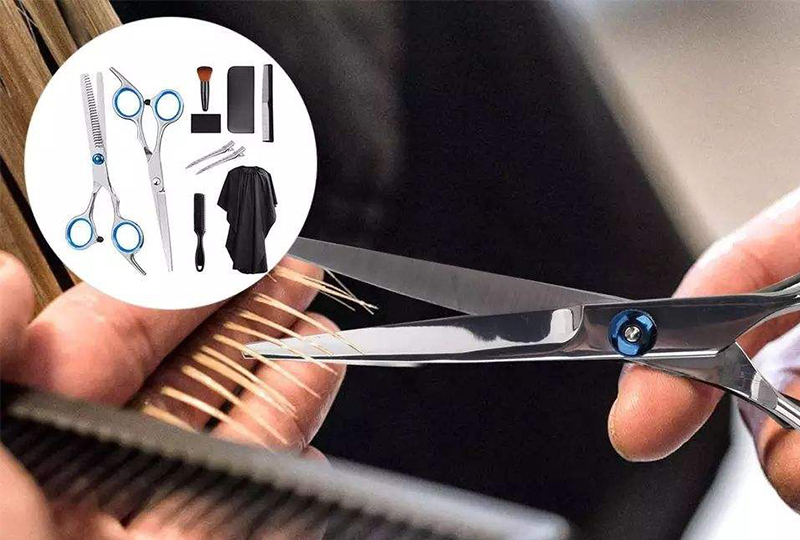
To help buyers narrow down their choices, here is a structured view of which types of suppliers typically perform best in each segment.
Household buyers and supermarket chains usually look for:
- Comfortable grip suitable for both dry and slightly wet hands
- Blades that can handle packaging, light food prep, and crafts
- Appealing design and safe storage mechanisms
Global brands like Fiskars perform strongly in the upper price range, while OEM products from factories such as Kingford allow private labels to offer mid‑priced, good‑value options that match local consumer budgets.
Professional stylists in large cities like Dubai or Riyadh often prioritize:
- Razor‑sharp, stable blades with smooth opening and closing
- Balanced weight and ergonomic handles to avoid wrist fatigue
- Precise tips for detailed work around edges and layers
Japanese brands such as Kai and specialized salon brands maintain a strong reputation in high‑end salons, while some barbers opt for OEM salon lines that provide solid performance at a more accessible price point under local brands.
For schools, offices, and government procurement, the deciding factors are:
- Competitive bulk pricing
- Safety features for students, such as rounded tips
- Robustness and low breakage rate
In this space, local distributors' house brands often use OEM production from China‑based manufacturers, including companies like Kingford, who can provide large‑volume, consistent quality with custom branding and bilingual packaging.
Small factories and workshops in Arabia typically need:
- Blades that can withstand cutting fabric, leather, rubber, or thick paper
- Handles that remain comfortable for repeated cutting throughout the day
- Strong resistance to rust from sweat, humidity, or process water
Industrial buyers often work directly with specialized OEM factories, commissioning tailor scissors or heavy‑duty models with reinforced blades and specific hardness requirements.
To make evaluation easier, here is a simplified comparison table.
| Supplier Type | Strengths | Best For |
|---|---|---|
| Kingford‑type OEM manufacturers | Integrated R&D, flexible OEM, broad portfolio from household to industrial | Brands, wholesalers, private labels |
| Global retail brands (e.g., Fiskars) | Strong consumer recognition, premium retail presence | High-end household and office users |
| Japanese pro brands (e.g., Kai) | High precision, professional-grade tools | Hairdressers, chefs, premium kitchens |
| Local GCC house brands | Localized branding, fast replenishment, cost-effective | Supermarkets, discount stores, schools |
This kind of overview helps buyers select the right partner type before going into detailed negotiations.
One major gap in many online articles is actionable guidance on how importers and brand owners should actually build and manage an OEM product line. From years of observing successful launches, a practical roadmap looks like this:
- Decide if you primarily target household, salon, school, or industrial users
- Map out 2–3 price tiers: entry, mid, and premium
- Determine annual volume expectations for each segment
Look for manufacturers that:
- Offer multiple blade types and handle materials
- Have experience in your target markets or similar climates
- Can provide samples and adapt designs based on feedback
Manufacturers like Kingford, with both R&D and production in‑house, can help you adjust specifications without changing suppliers.
- Start with sample testing by real users (e.g., salon owners, factory workers)
- Collect structured feedback on sharpness, comfort, and durability
- Only then scale into full containers or multi‑SKU launches
- Use bilingual packaging (Arabic + English) for retail in Arabia
- Highlight core benefits such as "long‑lasting sharpness", "anti‑rust steel", or "ergonomic comfort"
- Include clear usage instructions to reduce misuse and complaints
- Track reasons for any returns: dullness, breakage, rust, or comfort issues
- Discuss recurring patterns with your OEM partner and update specs if needed
- Build a long‑term feedback loop that improves each new batch
This OEM‑oriented perspective is crucial for buyers who want to build a sustainable scissors business in Arabia rather than treating sourcing as a one‑time transaction.
Even the best scissors will cause frustration if delivery is slow or after‑sales support is weak. For the Arabia market, you should evaluate manufacturers and distributors on:
- Lead times from factory to main GCC ports
- Availability of local stock through regional partners
- Clarity of warranty and replacement policies
- Responsiveness of English‑speaking and, ideally, Arabic‑speaking contacts
Integrated OEM manufacturers often work with local distributors or 3PL partners who can shorten replenishment times and speed up handling of faulty items.
One of the biggest mistakes new buyers make is choosing scissors suppliers purely on unit price. In reality:
- Ultra‑cheap scissors may cause higher replacement frequency and more complaints
- Slightly higher upfront costs can yield longer lifetime and better satisfaction
- Professional and industrial users are often willing to pay more for comfort and reliability, as it affects their daily productivity
The most successful importers in Arabia typically build a tiered portfolio: affordable models for price‑sensitive channels and higher‑spec models for salons, premium retail, or demanding industrial users.
Before placing your next order, review this quick checklist:
1. Usage scenario: Household, salon, school, office, or industrial?
2. Material and blade type: Stainless steel grade, serrated or smooth, intended cutting materials.
3. Handle ergonomics: Right‑handed, left‑handed, or ambidextrous; grip comfort for long sessions.
4. Anti‑corrosion performance: Especially important for humid or coastal regions.
5. OEM needs: Private label, custom packaging, color schemes, and branding elements.
6. Minimum order quantity (MOQ): Does it match your budget and sales forecast?
7. Certifications and documentation: Necessary for modern retail and cross‑border compliance.
Using this checklist in discussions with manufacturers like Kingford Homeware Co., Ltd. helps ensure that your scissors program is not only attractive on paper but also successful in real daily use.
If you are a brand owner, wholesaler, or manufacturer serving the Arabia market and you need reliable, customizable scissors, consider partnering with a professional OEM manufacturer that integrates R&D, production, and global sales support. By sharing your target segments, price ranges, and branding strategy, you can co‑develop scissors lines that truly match local expectations and reduce long‑term sourcing risks.
Contact us to get more information!
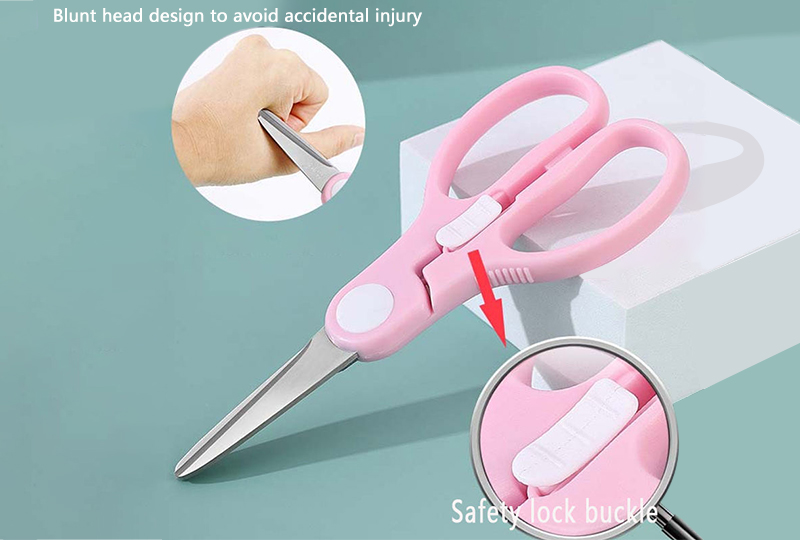
Household and kitchen scissors with multi‑function features, school scissors with safety tips, and mid‑priced professional scissors for salons usually show the healthiest demand and reorder rates.
Yes, when produced by a mature OEM manufacturer with strong QC and suitable steel grades, OEM scissors can meet or exceed the needs of mid‑range salons, especially when specs are co‑designed with local stylists.
Ask for references, sample test reports, details of their QC process, and recent export records. Then conduct your own tests and monitor performance across at least one or two small trial orders before scaling up.
Lead time varies by manufacturer and shipping mode, but many OEM orders require several weeks for production plus additional time for sea freight to major GCC ports. Confirm timing upfront and include buffer for peak seasons.
Different stainless steel grades offer different levels of corrosion resistance. Lower‑grade or poorly treated steel may still rust under humidity, sweat, or salt exposure, so it is important to clarify material specifications with your supplier.
1. Kingford Homeware Co., Ltd. – Company positioning as a professional scissors and homeware OEM supplier:
2. Fiskars Group – Global brand information and product positioning for scissors and cutting tools:
3. Kai Corporation – Professional cutting tools, kitchen and hairdressing scissors overview:
4. General guidance on evaluating OEM manufacturers and quality management:
5. Industry discussions and buyer insights on sourcing tools and scissors for GCC markets (aggregated from trade forums and B2B sourcing guides):


