
English 


Views: 222 Author: Kingford Scissors Publish Time: 2026-04-15 Origin: Site


Decorative scissors are no longer just quaint antiques in a display cabinet; they sit at the intersection of heritage craftsmanship, modern design, and practical everyday use for makers, brands and collectors worldwide. As an OEM scissor manufacturer serving global brands across craft, homeware and professional industries, I have seen how a single well‑designed pair of ornate scissors can transform both a user's workflow and a brand's positioning in the market. [parashifttech]
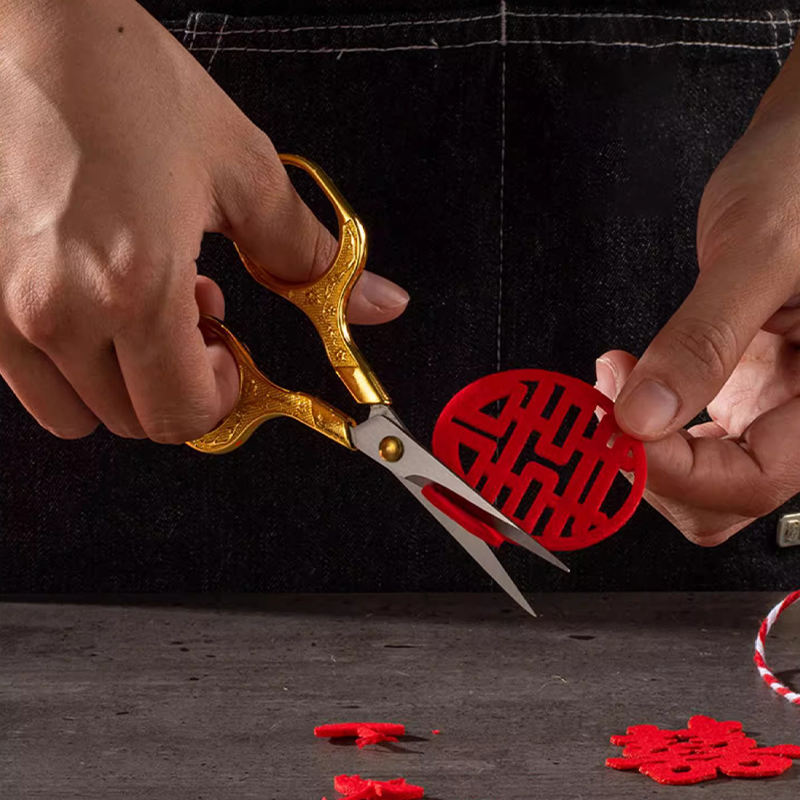
Decorative scissors are precision cutting tools whose aesthetic design—handles, blades, surface finish and motifs—is as important as their cutting performance. Once reserved for courtship gifts and aristocratic "love boxes" in the 14th century, they have now evolved into must‑have tools for embroiderers, tailors, gift‑givers and design‑driven stationery brands. [parashifttech]
Typical modern decorative scissors include:
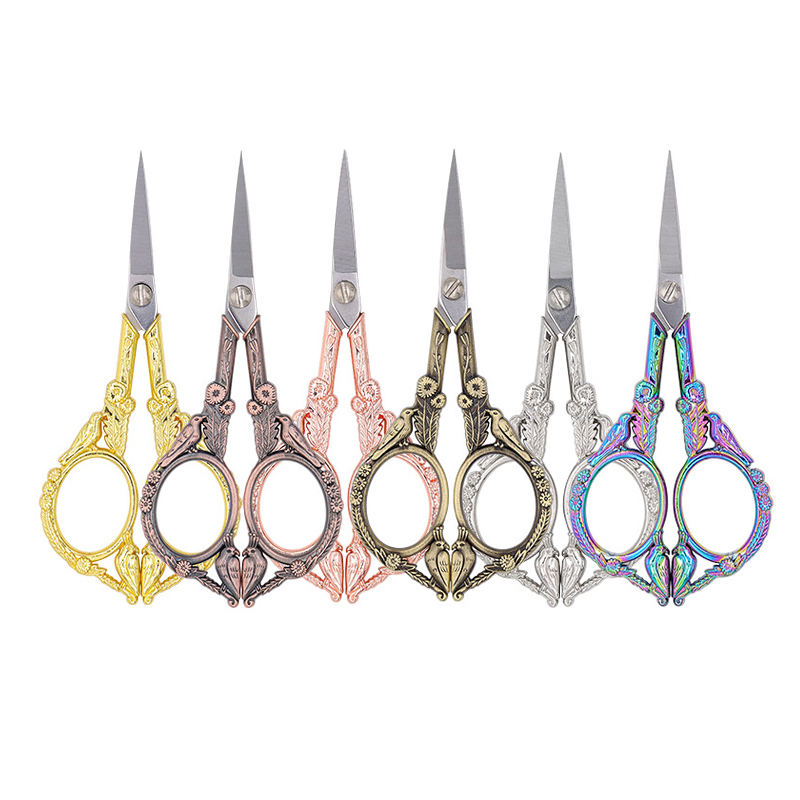
- Stork‑shaped embroidery scissors
- Animal, floral or architectural handle motifs
- Gold‑plated, rose‑gold, black titanium or dual‑tone finishes
- Fine lacework, engraving, damascene or niello‑style patterns inspired by historical techniques
From a manufacturer's perspective, decorative scissors sit at the sweet spot where high‑precision cutting meets emotional branding and storytelling. [tiecas]
Archaeological collections show that scissors in some form have existed for more than three thousand years, ranging from crude utility tools to elaborately embellished objects. Over time, advances in metalworking and the human urge to embellish everyday tools drove scissors to become more decorative, particularly during artistic flourishes such as the Baroque period and the fashion‑obsessed 1700s–1800s.
Massimiliano Mandel's book *Scissors* traces how medieval scissor styles closely reflected prevailing architectural and artistic movements. Early Romanesque designs were simple and functional, mirroring the "love of pure unadorned construction" in Romanesque churches; only near the 11th–12th centuries did richer shapes and ornamentation emerge under growing Eastern influence and the rise of calligraphy.
As Mediterranean trade expanded, contact with the Islamic world helped spread more refined scissor models with streamlined blades and engraved decoration. Calligraphers required scissors with concave blades to precisely cut paper, and artisans decorated these tools with engraving, damascene work and niello, a dark metallic inlay also used on sword blades.
This fusion of functional innovation and ornament set the template for the decorative scissors we recognize today.
By the Renaissance, consumer appetite for luxury encouraged artisans to produce scissors that signaled social status as much as utility. In the 18th and 19th centuries, English makers even competed to outdo each other, creating increasingly ornate designs—birds, animals, flowers, buildings and human figures—especially in Sheffield and similar centers.
Mandel describes how ornate scissors became part of courtship rituals: a suitor might send a "Love Box" to a woman of rank, including a pair of finely decorated scissors in a leather sheath, often of Muslim origin. These gifts functioned as "delicate testimony to the development of feminine taste" and to male admiration of the "fairer sex."
This historical association with femininity persists in some modern perceptions, particularly around embroidery scissors, even though today's users are far more diverse.
Many contemporary embroidery and craft communities favor stork scissors and other ornate styles, which can create the impression that decorative scissors are primarily a "female" tool. Yet in practice, both men and women collect and use these scissors—for embroidery, tailoring, calligraphy, paper craft, and even as desk accessories or gifts. [parashifttech]
In our OEM experience, male buyers frequently specify highly decorative models as gifts for partners or clients, but also as personal tools that reflect their identity as makers or designers. The reality is that decorative scissors have moved beyond gendered symbolism into a broader culture of craftsmanship, self‑expression and branded lifestyle. [tiecas]
Decorative scissors have always been tied to specific manufacturing regions and their metalworking cultures. [parashifttech]
- Europe (Solingen, Sheffield, Premana): Known for high‑carbon steel, meticulous grinding and a mix of minimalist and ornate styles; historical centers still inspire today's premium OEM lines. [ciselier]
- Middle East and Mediterranean: Early adoption of engraved blades and niello inlay, influenced by calligraphy and ornamental metalwork.
- East Asia: Strong traditions in fine steel processing and lacquer, with growing demand for modern minimalist decorative scissors with subtle surface treatments. [chinese.alibaba]
For global brands, understanding these traditions allows them to anchor modern designs in authentic heritage, strengthening E‑E‑A‑T signals around experience and expertise. [foremostmedia]
From the inside of a manufacturing facility, the magic of decorative scissors is grounded in disciplined process.
1. Design and prototyping
- 2D/3D CAD development of handle motifs and blade geometry.
- Ergonomic testing for thumb and finger comfort, especially for embroidery and craft use. [tiecas]
2. Material selection
- High‑carbon stainless steel or alloy steels for blades, ensuring long‑lasting sharpness and corrosion resistance. [parashifttech]
- Optional brass or zinc‑alloy handles for complex shapes, later plated or coated.
3. Forming and machining
- Forging, stamping or CNC machining of blade blanks and handles, depending on price tier and volume.
- Precision grinding of cutting edges and blade curvature for smooth, accurate cuts. [parashifttech]
4. Decorative processes
- Engraving (mechanical or laser) for patterns and logos.
- Plating and PVD coating for gold, rose‑gold, black or colored finishes.
- Etching and texture to mimic antique lacework or damascene effects.
5. Assembly and tuning
- Riveting or screw assembly with controlled tension.
- Hand‑tuning for smooth opening, accurate alignment and tip‑to‑tip cutting. [tiecas]
6. Quality control and packaging
- Edge‑sharpness tests, corrosion checks and finish inspection.
- Presentation packaging that supports the product's decorative positioning and giftability. [rankstar]
A capable OEM partner integrates all of these steps into repeatable, audited processes to support consistent quality at scale.
From user interviews and customer feedback across embroidery, sewing and craft communities, several consistent advantages emerge. [tiecas]
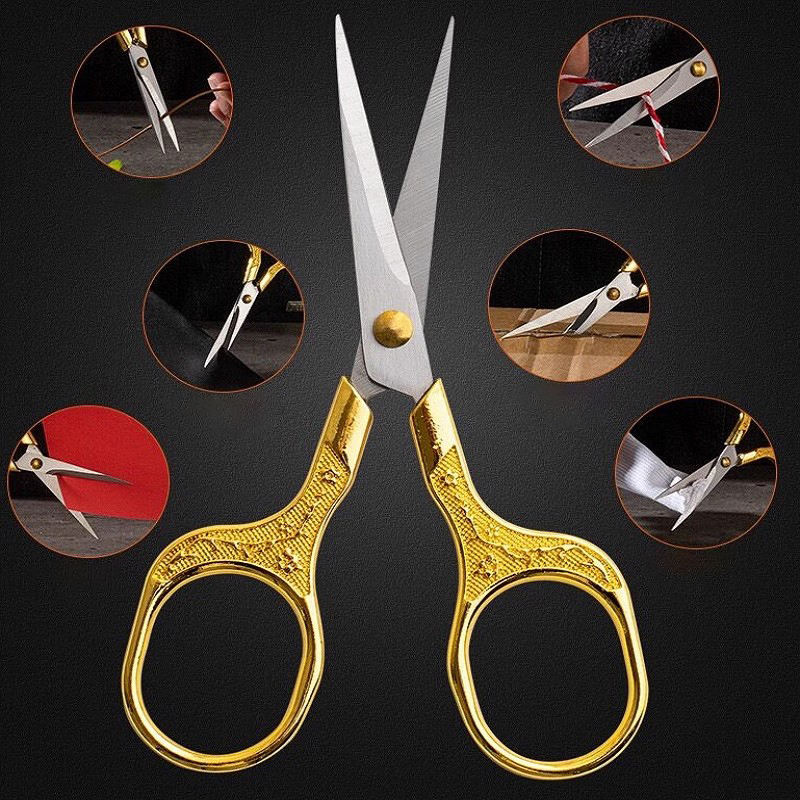
- Precision in fine work: Short, pointed blades handle thread snipping and detailed trimming with minimal fraying.
- Emotional connection: Users describe their favorite scissors as "little treasures" or "daily companions" rather than tools they could easily replace.
- Gift‑ready appeal: Decorative scissors fit perfectly into gift boxes, craft kits and subscription boxes.
- Brand storytelling: Unique motifs and finishes allow brands to express their personality, region or collaboration partnerships.
When these tools are well made, customers frequently mention how they "reach for them first," even when other scissors are within arm's length. [aioseo]
From a manufacturing and product‑development standpoint, the best decorative scissors combine aesthetic value with uncompromising performance.
- Look for high‑carbon stainless or tool steels with proven hardness and edge retention. [parashifttech]
- Check that blades meet cleanly and can cut to the very tip without snagging.
- For embroidery, micro‑serrated edges can improve control on slippery threads.
- Fingering rings or loops should be smooth, with no rough edges or uncomfortable pressure points.
- For frequent use, a slight curve and generous ring size help reduce fatigue. [tiecas]
- Plated or coated finishes should resist flaking or discoloration in normal use.
- Avoid overly soft decorative elements that may chip or catch on fabric.
- Reputable brands and OEM partners clearly communicate materials, origin and production standards, an important E‑E‑A‑T signal in Google's guidelines. [foremostmedia]
Tip: When evaluating suppliers, ask for cutting‑performance test results and sample reports, not just catalog photos.
As an integrated R&D, production and sales manufacturer, we see decorative scissors as a strategic product category for brands in craft, lifestyle and professional segments. [tiecas]
- Shape and motif: Storks, cranes, cats, florals, architecture silhouettes or fully original mascots.
- Surface finishes: Mirror polish, satin, matte black, gold or multi‑tone PVD coatings.
- Brand elements: Laser‑engraved logos, signature patterns, limited‑edition numbering.
- Packaging: Gift boxes, leather sheaths, "Love Box"‑style sets that echo historical traditions. [rankstar]
With OEM manufacturing, brands can position decorative scissors as:
- Hero products in craft or sewing lines
- High‑margin gift or collector's items
- Brand‑story anchors in heritage or artisan‑inspired collections
A reliable OEM partner not only produces to specification but also shares design feedback, material recommendations and process improvements based on real factory experience. [parashifttech]
Even the most ornate scissors need proper care to maintain their performance and finish. [tiecas]
1. Use for the right materials
- Reserve fine embroidery scissors for thread, fabric and light paper, not wire or heavy cardboard.
2. Clean regularly
- Wipe blades with a soft, dry cloth after use; for sticky residues, a gentle alcohol wipe can help.
3. Protect the finish
- Store in a sheath or dedicated compartment to avoid scratches from other tools.
4. Oil and adjust
- A drop of light machine oil at the pivot occasionally helps maintain smooth action.
- If tension feels loose or tight, adjust the screw (if present) gently rather than forcing blades.
These simple habits significantly extend the life of both the cutting edge and decorative surfaces. [parashifttech]
| Use case | Ideal features | User benefit |
|---|---|---|
| Embroidery & cross‑stitch | Short blades, fine tip, stork or floral motif | Precise thread cutting, inspiring design |
| Sewing & quilting | Longer blades, comfortable handles, satin finish | Clean fabric cuts with reduced hand fatigue |
| Paper craft & journaling | Medium blades, non‑stick or coated finish | Smooth cuts on paper and stickers |
| Gifting & collections | Gold or black PVD, limited‑edition laser engraving | High perceived value, strong storytelling |
| Professional studio desk | Minimalist or architectural motif, premium steel | Daily usability plus subtle design statement |
This type of structured comparison helps users quickly identify which decorative scissors best fit their needs, while reinforcing keyword relevance throughout the page. [blog.marketmuse]
If you are a brand owner, wholesaler or manufacturer looking to add decorative scissors or custom embroidery scissors to your product line, partner with an experienced OEM factory that understands both heritage craftsmanship and modern production requirements. [tiecas]
We collaborate with international clients to develop private‑label decorative scissors—from initial concept sketches to mass production—ensuring reliable quality, competitive lead times and strong support for your brand story. To discuss your project, share your design ideas or request existing samples, reach out to our OEM team and start building your next signature collection today. [parashifttech]
1. What makes decorative scissors different from regular scissors?
Decorative scissors combine functional cutting performance with intentional aesthetic design, including shaped handles, engravings and special finishes, making them both tools and collectible objects. [parashifttech]
2. Are decorative embroidery scissors suitable for everyday cutting tasks?
They are optimized for fine tasks such as thread and light fabric; using them on heavy materials like cardboard or wire can dull the blades and damage the decorative finish. [tiecas]
3. How can brands customize decorative scissors for their collections?
Through OEM manufacturing, brands can customize motifs, finishes, logos, packaging and even limited‑edition serial numbers, creating scissors that align closely with their visual identity and target market. [tiecas]
4. Do ornate designs compromise cutting performance?
When designed and manufactured correctly, decorative elements are integrated into handle and surface design without affecting blade geometry, so users enjoy both beauty and high cutting precision. [parashifttech]
5. How do decorative scissors support storytelling and E‑E‑A‑T for brands?
By tying designs to regional heritage, craft traditions or collaboration partners, brands can publish authentic, expert‑driven content around their scissors, strengthening perceived experience, expertise and trust for both users and search engines. [foremostmedia]
1. Ciselier Journal – "The Seductive Magic of Decorative Scissors."
<https://ciselier.com/blogs/news/the-seductive-magic-of-decorative-scissors>
2. Parashift Technologies – "Stand Out in Manufacturing SEO with E‑E‑A‑T."
<https://www.parashifttech.com/blog/stand-out-in-manufacturing-seo-using-e-e-a-t-to-build-real-online-trust-and-growth> [parashifttech]
3. Foremost Media – "Google's E‑E‑A‑T Algorithm Rewards Quality Content."
<https://www.foremostmedia.com/resources/blog/posts/how-to-take-advantage-of-google-e-e-a-t-for-manufacturing-websites> [foremostmedia]
4. AIOSEO – "SEO for Bloggers: 21 Proven Tips to Rank Higher on Google."
<https://aioseo.com/seo-for-bloggers/> [aioseo]
5. MarketMuse Blog – "Enhancing Your Content Strategy with SEO Best Practices."
<https://blog.marketmuse.com/enhancing-your-content-strategy-with-seo-best-practices/> [blog.marketmuse]
6. Tiecas – "A Guide to Writing Industrial Blogs | Tips for Manufacturing Content Marketing."
<https://www.tiecas.com/guide-to-writing-industrial-blogs/> [tiecas]
7. Rankstar – "SEO Agency for Craft Supplies and Hobby Shops."
<https://rankstar.io/seo-agency-for-craft-supplies-and-hobby-shops/> [rankstar]


