
English 


Views: 222 Author: Amanda Publish Time: 2026-02-16 Origin: Site


Content Menu
● What Makes Scissors Left-Handed?
● The Science and Ergonomics Behind Left-Handed Scissors
>> How Hand Mechanics Affect Cutting
● Types of Left-Handed Scissors
● Why Left-Handed Scissors Are Still Hard to Find
● Real-World Risks and Frustrations for Left-Handed Users
● Adapting vs. Retraining: Why Some Left-Handers Struggle with True Left Scissors
● When Right-Handers Need Left-Handed Scissors
● Practical Guide: How to Choose the Best Left-Handed Scissors
>> Step 1: Identify Your Cutting Habits
>> Step 2: Decide Between True Left and Semi Left
>> Step 3: Check Key Product Features
● How Professional OEM Makers Support Left-Handed Users
● Take Action: Choose Scissors Designed for Your Hand
● FAQs About Left-Handed Scissors
>> 1. What is the main difference between left-handed and right-handed scissors?
>> 2. I am left-handed but have always used right-handed scissors. Should I switch?
>> 3. Why do some left-handers prefer semi left-handed scissors?
>> 4. Are ambidextrous scissors really suitable for left-handed users?
>> 5. Do right-handed people ever need left-handed scissors?
Left-handed people live in a world designed for right-handed users, and left-handed scissors are one of the most frustrating examples of this everyday bias. Understanding how scissors actually work, and what “true left-handed scissors” really are, helps you choose a pair that cuts cleanly, comfortably, and safely.

Most tools can be used in either hand without much trouble, but scissors are different.
- Scissor blades overlap, they do not meet in the middle. The upper blade is set to one side, which determines whether the scissors are right-handed or left-handed.
- With right-handed scissors, the upper blade sits on the right side, aligned with a right-hander's natural line of sight.
- When a left-handed person uses right-handed scissors in their left hand, the thumb pushes in a way that forces the blades apart, making cutting harder and less precise.
In other words, scissors are engineered around the biomechanics of one dominant hand, which is why true left-handed design matters for left-handed users.
Scissors seem simple, but their performance depends on physics and ergonomics working together.
- Your thumb pushes outward from your palm, creating lateral pressure.
- Your fingers pull inward, helping close the blades along their cutting edge.
- On right-handed scissors, this combined motion pushes the blades together when used in the right hand, creating a clean, continuous cut.
Used in the left hand, that same motion twists the blades away from each other, so materials bend, snag, or tear instead of being cleanly sheared. This is why left-handers often feel they must squeeze harder, twist their wrist, or accept poor results.
Beyond blade pressure, visibility is a major issue.
- With right-handed scissors in the right hand, the upper blade sits on the right side, so you can easily see the cutting line.
- In the left hand, that upper right blade blocks your view, forcing left-handers to guess where the blades will cut.
True left-handed scissors reverse this relationship so the upper blade is on the left side, restoring a clear sightline for left-handed users.
True left-handed scissors are a full mirror image of right-handed scissors.
- Blades are reversed, so the upper blade is on the left, aligning with a left-hander's natural view.
- Handles, including thumb and finger rings, are shaped and angled for the left hand.
- The cutting action harnesses left-handed thumb and finger pressure to push blades together, not apart.
Before around 1970, true left-handed scissors were rare and hard to find. Today, specialist makers and premium OEM manufacturers increasingly offer dedicated left-handed models for craft, tailoring, office, and household use.
Semi left-handed scissors solve the grip issue but not the blade geometry.
- Handles are reversed to feel more natural in the left hand.
- However, the blades retain a right-handed configuration, with the upper blade on the right side.
This gives left-handers a more comfortable opening and closing motion but still leaves the sightline partially blocked and the pressure not fully optimized for the left hand. Some lifelong left-handed users who grew up cutting with right-handed scissors prefer this compromise because it does not drastically change their cutting angle and learned muscle memory.
Scissors marketed as ambidextrous usually target convenience rather than true left–right parity.
- They often feature symmetric handles that do not distinguish thumb and finger rings.
- Many still use a right-handed blade configuration, with the upper blade on the right.
These designs can feel acceptable for light, occasional use, but for precise cutting, most left-handers will still experience visibility and control issues similar to standard right-handed scissors.
A rare exception is a patented true ambidextrous design that uses double-edged blades and a handle that can rotate almost 360 degrees so the back of the blades can do the cutting. This concept exists, but it remains unusual in everyday consumer markets.
Only a small percentage of the population is left-handed, which makes left-handed products a smaller market segment. For mass producers, this has historically meant:
- Lower production volumes for left-handed models
- Higher per-unit costs
- Less shelf space in retail environments
Traditional craft scissor makers, however, have often been more attentive to specialized needs like left-handed cutting, especially for professional tailoring, embroidery, crafting, and upholstery.
For decades, left-handedness was stigmatized, and many children were forced to write with their right hand, reinforcing the idea that left-handed tools were unnecessary or optional. Over time, left-handers adapted by:
- Learning to use right-handed scissors in their left hand
- Switching scissors to their right hand even if it felt unnatural
- Accepting poor cutting performance as normal
This has shaped expectations for generations and delayed widespread adoption of properly engineered left-handed scissors.
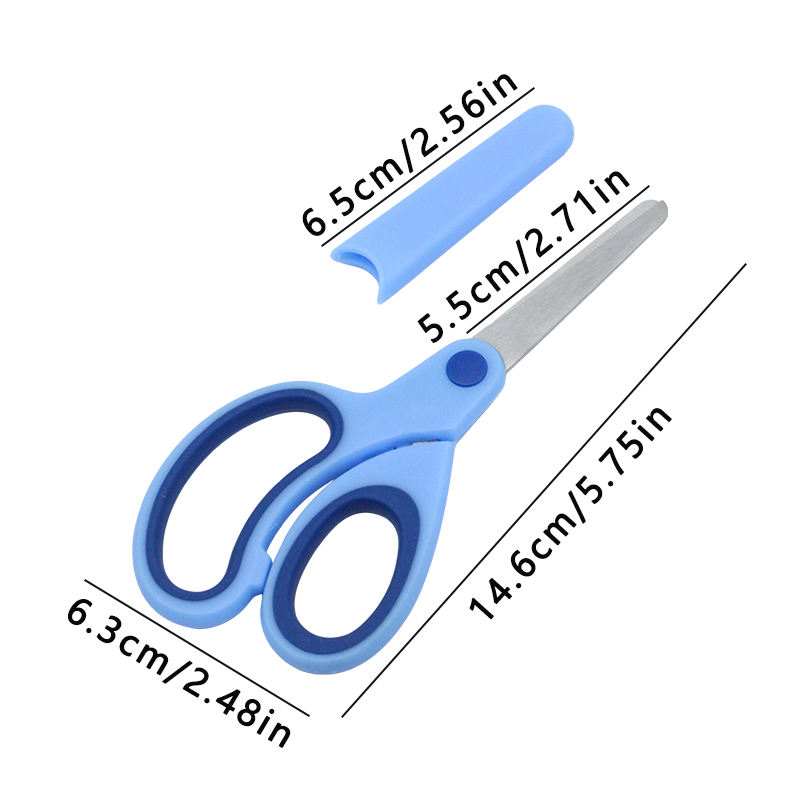
Using right-handed tools with the wrong hand is not just inconvenient; it can be unsafe. Estimates suggest that thousands of left-handed people are injured each year by using tools designed for right-handed users, including scissors, power tools, and kitchen equipment.
For scissors specifically, left-handers often report:
- Jagged cuts in paper, fabric, or thread
- Materials that bend or buckle between the blades instead of being cleanly sheared
- Extra strain on the wrist, thumb, and fingers from overcompensation
- Poor accuracy on detailed cuts because they cannot clearly see the cutting line
For occasional tasks like snipping string, this may not feel critical. But for crafts, sewing, tailoring, upholstery, or professional work, the right scissor geometry becomes essential to both performance and comfort.
Many left-handers who grew up using right-handed scissors in their left hand find it difficult to switch to true left-handed scissors later in life.
User feedback often reflects the same pattern:
- After years of cutting with right-handed blades in the left hand, muscle memory sets a habitual cutting angle.
- When switching to a true left-hand pair, paper and fabric may bend or misalign because the user is unconsciously holding and steering the scissors as if they were right-handed.
- Some left-handers buy high-quality true left-handed scissors, struggle to adapt, and then revert to semi left or right-handed scissors used in their left hand.
This reveals a practical insight: the optimal scissor type can depend on how and when a left-hander learned to cut. For young learners starting fresh, true left-handed scissors are ideal. For adults with decades of ingrained habits, semi left-handed scissors may be a more comfortable intermediate option.
Although the conversation usually focuses on left-handers, there are situations where right-handed users actually benefit from left-handed scissors.
- Certain tasks require cutting from a specific side or angle where using the left hand is ergonomically easier.
- Sometimes the difficult task is holding or arranging a complex object, while the cutting itself is simpler and can be done with the non-dominant hand.
In these cases, a right-handed user may deliberately reach for left-handed scissors to improve visibility or access on the left side of the workpiece.
To select the right type of left-handed scissors, start by examining your habits.
- Do you cut mostly with your left hand, even if you write with your right?
- Did you grow up using right-handed scissors in your left hand?
- Are you doing precise work such as sewing, embroidery, tailoring, or paper craft, or mostly light household cutting?
Your answers will guide whether a true left-handed or semi left-handed design will serve you best.
Use this quick reference table as a starting point:
User situation | Recommended scissor type | Key reason |
Left-handed child learning to cut | True left-handed | Builds correct muscle memory and full sightline from the start. |
Left-handed adult, struggles with visibility and jagged cuts | True left-handed | Restores proper blade pressure and clear line of sight. |
Left-handed adult used to right-handed scissors in left hand, cannot adapt to true left | Semi left-handed | Familiar blade behavior with more comfortable grip. |
Right-handed person occasionally cutting with left hand | Left-handed or semi left-handed | Better access for left-side cuts and awkward angles. |
Occasional light use, no precision needed | Ambidextrous or right-handed | Convenience is sufficient for simple, infrequent tasks. |
When evaluating left-handed scissors, especially professional or OEM-grade models, look closely at these features:
- Blade orientation: Upper blade on the left for true left-handed scissors versus on the right for semi or ambidextrous designs.
- Handle geometry: Ergonomic left-hand thumb and finger rings versus simple symmetric loops.
- Steel quality: High-carbon or stainless steels for durable, sharper edges.
- Joint precision: Strong pivot with minimal lateral play to maintain blade contact.
For brands and OEM manufacturers that specialize in scissors, these structural details are what separate basic “left label” products from truly engineered left-handed cutting tools.
Traditional craft scissor makers have long had a reputation for serving demanding users, including left-handers. Today, professional OEM manufacturers that focus on scissors can further enhance the left-handed experience by:
- Offering full left-handed variants of popular models instead of simple handle reversals.
- Designing product lines with dedicated left-handed SKUs for crafting, tailoring, kitchen, and office use.
- Providing clear labeling, such as “true left,” “semi left,” or “ambidextrous,” so users can choose based on their habits.
- Using high-quality materials and refined finishing to ensure smooth, consistent cutting over years of use.
Manufacturers that take this approach do not treat left-handed scissors as an afterthought; they build them as integral components of a complete and inclusive product portfolio.
If you are left-handed, or if you regularly cut with your left hand, you do not have to accept poor visibility, extra strain, and uneven cuts as normal. The right left-handed scissors, engineered specifically for your hand, can transform everyday tasks and professional work.
When you evaluate your next pair of scissors, look for true left-handed blade geometry if you need precision and comfort, and consider semi left-handed designs if you are strongly adapted to right-handed blades. Choose makers and OEM brands that treat left-handed users as a core part of their design philosophy, and select models that match your cutting habits and application, from household use to tailoring and craft production. Make your next cut with scissors that are actually built for you, and upgrade to a pair that finally matches the way you work.
Contact us to get more information!
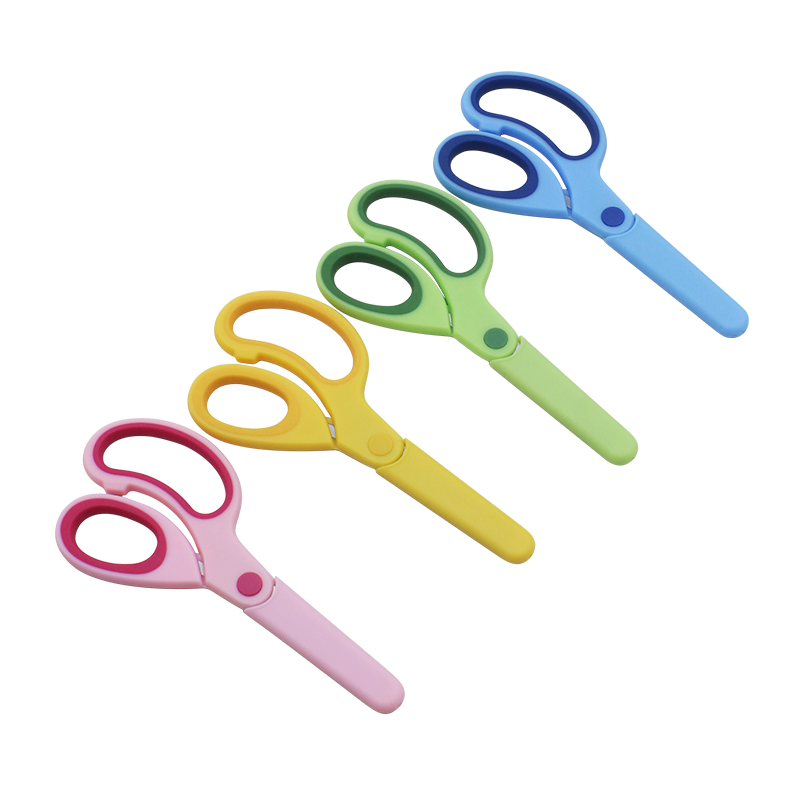
The main difference is the blade orientation. Left-handed scissors place the upper blade on the left side and reverse the handle geometry, so left-handers can see the cutting line clearly and apply pressure that pushes the blades together instead of apart.
If you struggle with visibility, hand fatigue, or jagged edges, switching to true left-handed scissors can significantly improve comfort and cut quality. You may need a short adjustment period, but once you adapt, the cutting experience typically becomes smoother and more precise.
Some left-handers grew up using right-handed scissors in their left hand and developed strong muscle memory. Semi left-handed scissors keep the familiar blade behavior while adding a more natural left-hand grip, which can feel more intuitive for users who find true left-handed scissors difficult to get used to.
Most ambidextrous scissors have symmetric handles but still use a right-handed blade configuration, so left-handers may still face sightline and control issues for detailed work. They can be acceptable for occasional, light cutting tasks, but for consistent precision, true left-handed scissors are usually the better choice.
Right-handed users sometimes benefit from left-handed scissors when the geometry of a task makes cutting with the left hand more practical, especially when the material must be held or arranged carefully with the right hand. In these situations, left-handed scissors can provide better access and visibility for left-side or awkward-angle cuts.
https://ciselier.com/blogs/news/left-handed-scissors-and-why-they-are-so-hard-to-find


