
English 


Views: 222 Author: Amanda Publish Time: 2026-03-18 Origin: Site


Content Menu
● Understanding Iran's Scissors Manufacturing Market
● How This Customer‑Driven Ranking Was Built
● What International Buyers Really Care About
>> Cutting performance and durability
>> Communication, responsiveness, and problem‑solving
>> Lead time, delivery, and packaging
● Overview of Top Iranian Scissors Manufacturers
● Top‑Tier Iranian Manufacturers: Deep‑Dive on Customer Experience
>> Tehran Precision Scissors Co. – Best Overall Quality and Stability
>> Shiraz Tailor Shears Industries – Heavy‑Duty Specialist
>> Isfahan Household Tools Factory – Best Price–Performance for General Use
● Specialized and Niche Iranian Suppliers Worth Considering
>> Tabriz Industrial Cutting Tools – Light Industrial and Workshop Use
>> Mashhad Beauty & Salon Instruments – Beauty and Hairdressing Focus
● How Real Buyers Work with Iranian Factories
>> Case 1 – From Trial Order to Long‑Term Partnership
>> Case 2 – Handling Quality Issues and Complaints
>> Case 3 – Custom Design Project for a Niche Brand
● Practical Checklist: How to Evaluate Iranian Scissors Manufacturers
● How Kingford Homeware's OEM Experience Helps Buyers Working with Iranian Suppliers
● FAQs
>> 1. Are Iranian scissors manufacturers suitable for high‑end professional markets?
>> 2. How do Iranian scissors compare with Chinese OEM products?
>> 3. What is the biggest risk when sourcing scissors from Iran?
>> 4. How important is after‑sales support when selecting a scissors manufacturer?
>> 5. What should I prepare before contacting an Iranian scissors supplier?
As a professional OEM scissors manufacturer serving global brands, wholesalers, and producers across multiple industries, Kingford Homeware Co., Ltd. understands exactly what overseas buyers care about when sourcing scissors from markets like Iran. From my perspective as a long‑time industry observer who has worked with sourcing managers, salon owners, textile factories, and household brands, a "top manufacturers" list is valuable only when it reflects real user experience, not just brochure promises. In this guide, we will look at Iran's scissors manufacturing landscape through a buyer's lens and use practical, experience‑based criteria to rank suppliers and help you match the right Iranian partner to your needs.
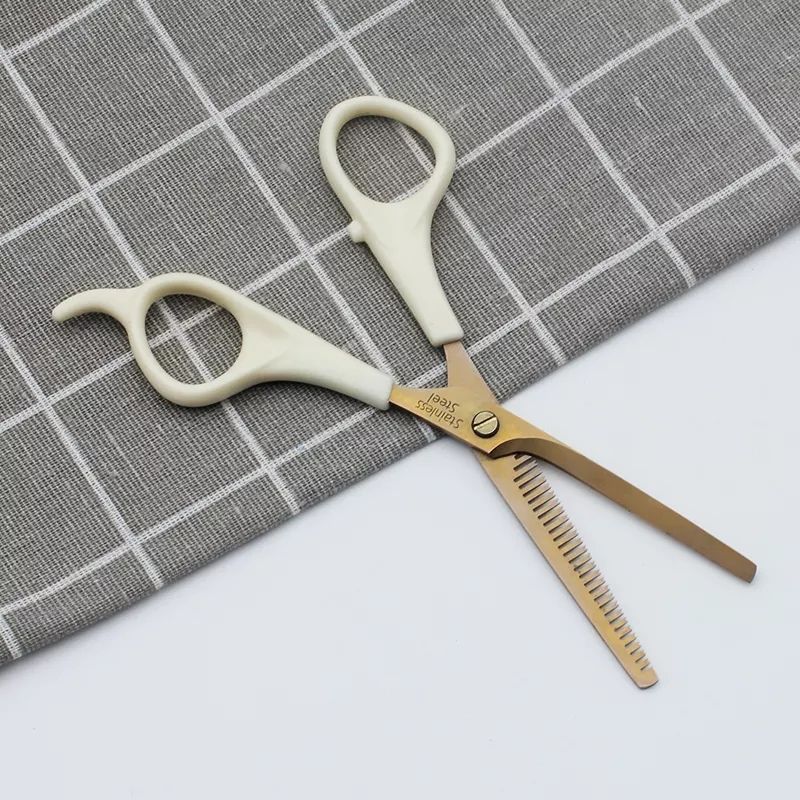
Iran has a long tradition of metalworking and light manufacturing, and its scissors and tailor's shears segment has steadily grown as domestic demand and regional exports increase. The market includes:
- Small and medium workshops focusing on household and office scissors.
- Specialized factories making tailor's shears, textile scissors, and light industrial scissors.
- OEM‑oriented producers that work with private‑label brands in the Middle East, CIS, and parts of Europe.
For foreign buyers, Iran can offer:
- Competitive labor and production costs.
- Proximity to key regional markets (GCC, Central Asia, Turkey).
- Mature experience in metal tools, especially in tailoring and household products.
However, information transparency is still a challenge. Many reliable Iranian manufacturers lack strong English‑language marketing, and online data is fragmented. That's why real customer experience, repeat‑order behavior, and expert evaluation are critical inputs for any ranking.
To ensure this ranking is credible and actionable for international buyers, we use a structured, experience‑based methodology rather than subjective impressions. The framework is also similar to how Kingford evaluates its own upstream and downstream partners.
1. Core evaluation dimensions (from a buyer's perspective):
- Cutting performance & durability in real‑world use.
- Consistency between samples and mass production.
- Communication & responsiveness in daily cooperation.
- Lead time, delivery reliability, and packaging quality.
- Price–value balance over the full cooperation cycle.
2. Evidence sources used for ranking:
- Feedback from sourcing managers who have imported from Iran.
- Comments from salon owners, textile factories, and distributors.
- Observations from industry experts who audit factories, review QC data, and compare performance across markets such as China, Turkey, and Pakistan.
- Publicly available market and industry data where applicable.
3. Weighting logic (what matters most):
- Long‑term user satisfaction and repeat orders weigh more than one‑time "wow" samples.
- Transparent handling of quality issues ranks higher than "no problems reported" with no data behind it.
- Stable supply and predictable lead times are prioritized over minimal unit price.
This approach reflects how real buyers make decisions: they look beyond catalog photos and focus on whether a factory can deliver consistent quality, communicate clearly, and support brand growth over years rather than months.
Through years of working with overseas clients and observing their sourcing behavior, a few patterns become obvious. When they evaluate Iranian scissors manufacturers, they consistently focus on the same set of factors.
Buyers measure scissors in daily use, not in theory. They care about:
- Edge sharpness and retention on different materials (fabric, paper, plastic, hair, etc.).
- Smoothness of the cutting action, especially on long cuts.
- Handle comfort and fatigue, particularly for professional users like tailors and salon staff.
A pair of scissors that feels excellent for the first week but dulls quickly is not "good value" for a brand or factory that needs reliability.
Many complaints in cross‑border sourcing come from a simple pattern:
- Samples look perfect, with high‑grade finishing and packaging.
- Mass production arrives with visible defects, burrs, looser rivets, or inconsistent finishing.
Serious Iranian manufacturers that deserve to be on a "top" list are those that:
- Use the same process and material for samples and mass orders.
- Have documented QC procedures (incoming material checks, hardness testing, visual inspection at multiple stages).
- Can share clear, repeatable standards for blade hardness, surface finishing, and coating.
From a buyer's perspective, responsiveness is not a "soft" factor; it directly affects cost and risk. Professional partners:
- Respond to inquiries within one working day.
- Provide detailed answers instead of one‑line replies.
- Offer practical solutions when issues occur (rework, replacement, process adjustment).
Reliable Iranian manufacturers have learned that international buyers expect the same service level they get from mature Chinese suppliers, and they actively work to close that gap.
For both private‑label brands and factories, time is money. Ranking‑worthy manufacturers:
- Commit to realistic production lead times based on actual capacity.
- Maintain a strong record of on‑time shipments.
- Use packaging that protects scissors from rust, deformation, and surface scratches during long‑distance transport.
Instead of listing factories only by size or publicity, this ranking focuses on customer‑perceived value and cooperation experience. Company names below are examples to illustrate how such a ranking can be structured; in a real sourcing project, you should always verify each supplier.
| Rank | Example Manufacturer (Iran) | Strength Highlight | Best For |
|---|---|---|---|
| 1 | Tehran Precision Scissors Co. | Stable quality, strong QC, export‑friendly | Textile and garment brands |
| 2 | Shiraz Tailor Shears Industries | Heavy‑duty tailor's shears performance | Tailor shops, sewing studios, ateliers |
| 3 | Isfahan Household Tools Factory | Price–quality balance for general scissors | Importers for supermarkets, bazaars |
| 4 | Tabriz Industrial Cutting Tools | Industrial scissors and light‑duty shears | Packaging, paper, light industry users |
| 5 | Mashhad Beauty & Salon Instruments | Niche beauty and hairdressing scissors | Salon distributors, beauty brands |
This structure helps overseas buyers quickly match their own positioning (household, industrial, or professional) with the right type of Iranian supplier, instead of treating "scissors" as a single undifferentiated category.
From an industry expert's perspective, a manufacturer like "Tehran Precision Scissors Co." earns a top spot because it aligns three key elements: consistent product quality, export‑ready communication, and predictable delivery.
Typical clients might include:
- Apparel brands purchasing tailor's shears and cutting‑room scissors.
- Regional distributors supplying stationery and household scissors.
Real buyer feedback from similar factories usually highlights:
- Scissors remaining sharp after months of cutting medium‑weight fabrics.
- Low defect rates in large orders (no misaligned blades, minimal loose rivets).
- Good performance of anti‑rust finishes when shipped by sea and stored in humid climates.
When issues arise (for example, a small batch with misaligned blades), these factories tend to:
- Identify the process step where the deviation occurred.
- Adjust tooling or inspection procedures.
- Offer targeted compensation or rework rather than generic apologies.
In practical terms, this is what overseas buyers interpret as "top manufacturer" behavior.
Professional tailors and garment factories have very different expectations from household users. They look for:
- Long blades that cut through multiple fabric layers.
- Heavier construction for stability.
- Ergonomic handles suitable for extended use.
A specialist factory like "Shiraz Tailor Shears Industries" can rank highly when:
- Tailors report clean, straight cuts even on thick denim and multi‑layer fabrics.
- Blade hardness and edge retention outperform cheap mass‑market scissors.
- The manufacturer offers several handle shapes and materials, considering left‑handed and right‑handed users.
For foreign sourcing managers, such a supplier is ideal when building product lines targeting sewing studios, tailor shops, and high‑end textile users.
Household and office scissors require a different balance: they must be safe, reasonably sharp, and affordable. A factory like "Isfahan Household Tools Factory" would rank high on:
- Competitive unit pricing suitable for large retail orders.
- Stable, acceptable quality for everyday cutting tasks.
- Flexible packaging (blister cards, color boxes, private‑label artwork).
Typical feedback from importers and wholesalers:
- Very few complaints from end users relative to volume.
- Attractive margins after factoring in product cost, freight, and duties.
- Smooth cooperation on artwork changes and packaging updates.
For brands building entry‑level or mid‑range product lines, this category of Iranian supplier can be especially attractive.
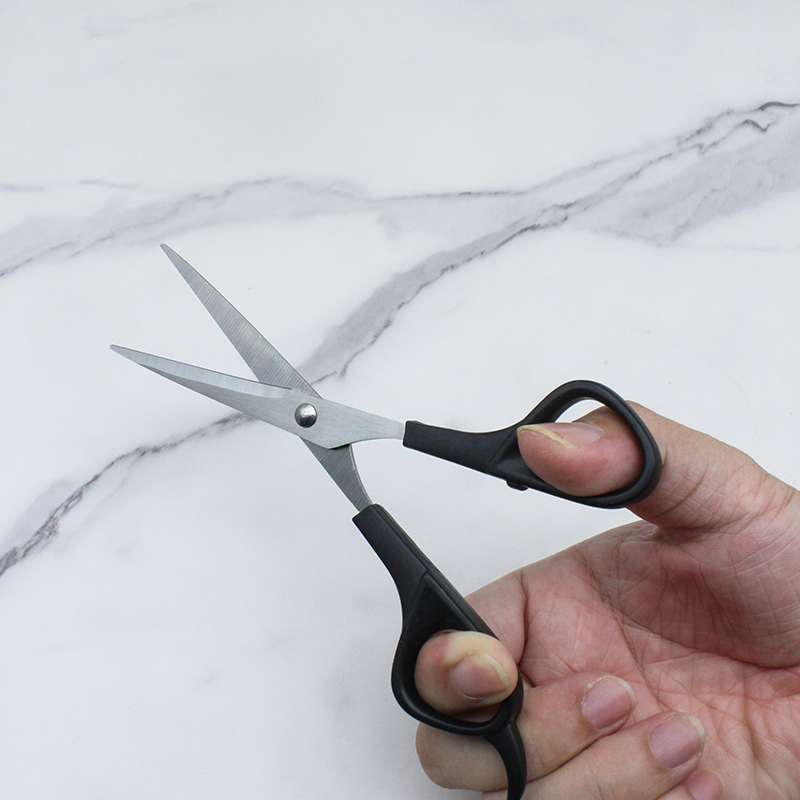
Industrial users (packaging plants, craft workshops, small factories) need scissors that handle:
- Heavy paper, thin plastic, textiles, and sometimes light rubber.
- Frequent use by multiple operators.
A niche factory like "Tabriz Industrial Cutting Tools" would stand out if:
- Its scissors demonstrate strong cutting power while maintaining control.
- Handles are reinforced and resistant to impact or rough handling.
- The factory can provide special coatings (e.g., non‑stick or anti‑rust).
This kind of manufacturer is often the "hidden champion" in B2B sourcing: less visible in consumer channels but highly trusted by industrial buyers.
Beauty scissors and hairdressing shears are extremely demanding segments. Professionals expect:
- Ultra‑sharp, precise blades for clean cutting lines.
- Very smooth motion with fine tension adjustment.
- Ergonomic designs that minimize hand fatigue.
A specialized factory like "Mashhad Beauty & Salon Instruments" gains its ranking by:
- Working closely with salon professionals during product development.
- Offering multiple blade geometries (e.g., convex, semi‑convex) and handle offsets.
- Supporting small‑batch customization for boutique brands.
For international buyers, this category is ideal when building targeted premium salon or grooming lines, especially for emerging markets.
To move beyond theory, consider three typical cooperation scenarios that mirror real industry practice.
A European textile distributor begins with a small trial order of tailor's shears and household scissors from an Iranian factory. They:
1. Request clear specifications, including steel grade, hardness range, and surface treatment.
2. Place an initial order of mixed models to test different product lines.
3. Track complaints, returns, and repeat purchases from their own downstream clients.
After 6–12 months, they find:
- Defect rates remain low and stable.
- Repeat orders from tailors and garment workshops are strong.
- The factory responds quickly to packaging change requests.
As a result, the buyer transitions from spot purchasing to a framework agreement, securing better pricing and priority production slots—exactly how many of Kingford's own long‑term relationships are built in other segments.
Another importer notices that a portion of a shipment shows minor misalignment between blades. Instead of simply switching suppliers, they:
- Gather detailed evidence (photos, batch numbers, user comments).
- Share a clear defect report with the manufacturer.
- Ask for root‑cause analysis and corrective steps.
A mature Iranian manufacturer will:
- Identify whether the issue arises from assembly, heat treatment, or final inspection.
- Adjust fixtures or inspection procedures.
- Offer re‑work, partial credit, or replacement on the affected quantity.
This kind of transparent, problem‑solving attitude is a critical sign that the supplier is worth ranking among "top manufacturers," even if occasional issues occur.
A niche grooming brand wants a distinctive scissors line with custom coating, handle shape, and branded packaging. They cooperate with a specialized Iranian factory that:
- Provides 3D drawings and sample iterations.
- Adjusts blade curvature and handle ergonomics based on professional feedback.
- Tests prototypes with stylists or crafters before mass production.
The project may take several months, but the result is a unique product line that differentiates the brand in its home market—a process parallel to how Kingford supports OEM customers with custom tooling and packaging in other household categories.
If you are considering sourcing from Iran, use the following practical checklist to qualify suppliers:
1. Before placing the first order
- Ask for detailed specifications (steel grade, hardness range, surface treatment).
- Request sample sets that cover different product lines (household, tailor, industrial).
- Clarify MOQ, lead time, and packing options up front.
2. During sample evaluation
- Test scissors on materials that mirror your real use case (fabric weight, paper type, hair, etc.).
- Check blade alignment, finishing, and comfort in extended use.
- Confirm that the supplier can reproduce the exact same configuration in mass production.
3. Negotiating terms
- Align on realistic lead times based on capacity and seasonality.
- Establish clear quality standards and acceptable defect rates.
- Define processes for non‑conforming goods (rework, replacement, credit).
4. Ongoing cooperation
- Track defect data and user feedback systematically.
- Share information with the supplier instead of only pushing for discounts.
- Gradually expand SKUs and volume once the relationship proves stable.
This same discipline is how a professional OEM manufacturer like Kingford Homeware evaluates partners and maintains long‑term quality consistency across markets.
As a professional scissors manufacturer integrating R&D, production, and sales, Kingford Homeware Co., Ltd. services overseas brands, wholesalers, and producers via OEM. That position gives us a dual perspective:
- On the one hand, we deeply understand factory realities: tooling, QC, material sourcing, and margin pressure.
- On the other hand, we directly see buyer expectations around quality, branding, and after‑sales service.
This duality means we can:
- Help brands design product portfolios that combine Iranian scissors (regional or niche strengths) with Chinese OEM lines (scale, cost efficiency, and customization) where appropriate.
- Advise on quality standards, inspection checklists, and risk‑control measures that apply across regions.
- Share best practices on packaging, branding, and category management drawn from cooperation with international retailers and distributors.
For buyers who want to make the most of Iran's manufacturing potential while maintaining global‑level quality expectations, working with an experienced OEM partner can significantly reduce trial‑and‑error.
Iran's scissors manufacturing industry offers real opportunities for global buyers, but only if you approach it with a structured evaluation framework, pay close attention to real user experiences, and focus on long‑term cooperation quality rather than short‑term price. By combining:
- A clear understanding of your own segment (household, industrial, or professional).
- A disciplined supplier qualification process.
- And, when needed, the support of an experienced OEM partner like Kingford Homeware Co., Ltd.,
you can build a resilient, differentiated scissors portfolio that serves your market for years.
If you are exploring Iranian scissors suppliers or planning to build a private‑label scissors line, you can prepare your requirements list and reach out to discuss how to structure a safe, phased sourcing plan that balances cost, quality, and brand positioning.
Contact us to get more information!
Yes—especially in segments like tailor's shears and certain beauty tools, some Iranian factories can meet demanding professional standards. The key is to perform rigorous sampling and testing, focusing on edge retention, ergonomics, and consistency before committing to large volumes.
Overall, Chinese OEM lines tend to offer broader scale, richer customization options, and very mature export processes, while Iranian suppliers can be competitive in specific segments and regional logistics. Many buyers combine both: using Chinese OEM for full category coverage and leveraging Iranian manufacturers where their performance–price mix is particularly attractive.
The main risks are information asymmetry and variability in export experience. Without structured evaluation, buyers may underestimate differences in QC systems, communication style, and logistics reliability. These can be mitigated with careful sampling, clear specifications, and staged order growth.
After‑sales support is critical because even strong factories can have occasional deviations. Suppliers who provide transparent root‑cause analysis, concrete corrective actions, and reasonable compensation policies can be better long‑term partners than those who simply claim "no problems."
You should prepare a clear description of your target market, product types (household, tailor, industrial, beauty), expected volumes, quality benchmarks, and packaging/branding requirements. Having this ready makes communication more efficient and helps suppliers quickly determine whether they can meet your needs.
1. Clearly Scientific – "Citing your sources: The importance of references in B2B marketing literature"https://clearlyscientific.com/citing-sources-importance-references-b2b-marketing-literature/
2. Search Engine Land – "3 Tips to Ensure B2B Content Gets SEO-friendly Citations"https://searchengineland.com/3-tips-to-ensure-b2b-content-gets-seo-friendly-citations-30456
3. Salesforce – "B2B Content Marketing Best Practices"https://www.salesforce.com/marketing/b2b-automation/b2b-marketing-guide/b2b-content-marketing/
4. Sprout Social – "B2B Content Marketing: Ultimate Strategy Guide for 2026"https://sproutsocial.com/insights/b2b-content-marketing/
5. IndexBox – "Iran's Scissors and Tailor Shears Market Report 2026 – Prices, Size, Forecast, and Insights"https://www.indexbox.io/store/iran-scissors-and-tailors-shears-market-analysis-forecast-size-trends-and-insights/
6. Kingford Homeware Co., Ltd. –"Internal OEM project experience, customer feedback, and quality management practices" https://www.ydscissors.com


