
English 


Views: 222 Author: Amanda Publish Time: 2026-02-18 Origin: Site


Content Menu
● Why Solingen Became the “City of Blades”
● From Swords to Scissors – How the Industry Evolved
● “Made in Solingen” – A Protected Mark of Quality
● Friedrich Herder – Europe's Oldest Scissor and Knife Maker
>> Origins in the Thirty Years' War
>> A Historic Brand in Modern Hands
● WASA – Specialist in High‑End Scissors
>> A Scissor‑Only Manufacturer Since 1907
● Robuso – Tradition Meets Advanced Industrial Applications
>> Founded in 1919 with Deep Scissor Roots
>> Handcrafting for Modern Industries
● Dovo and the Changing Landscape of Solingen Scissor Makers
● The Global Scissor Market – Where Solingen Fits Today
● Key Strengths of Solingen Scissor Makers for OEM Partners
● Comparing Solingen's Historic Scissor Makers
● How to Evaluate Premium Scissors Inspired by Solingen Standards
>> Practical Quality Checklist for Buyers
● User Experience – Matching Scissors to Application
● How OEM and Private‑Label Buyers Can Leverage Solingen's Legacy
● Action Steps – Choosing the Right Scissor Partner for Your Brand
● Turn Heritage into Your Competitive Edge
● Frequently Asked Questions About Solingen Scissor Makers
>> Q1: Why is Solingen so famous for scissors and knives?
>> Q2: Are all scissors marked “Solingen” made in the city itself?
>> Q3: What makes Friedrich Herder different from other brands?
>> Q4: How do WASA and Robuso position themselves in the market today?
>> Q5: How can modern OEM buyers benefit from Solingen's example?
For more than 800 years, Solingen in Germany has been synonymous with world‑class blades, from swords to knives and scissors. Today, historic scissor makers like WASA, Robuso and Friedrich Herder preserve this heritage while serving a global market that increasingly values precision, durability and authentic craftsmanship.

The city of Solingen lies in the Wupper Valley, about 35 km north of Cologne, and hosts a very high share of Germany's cutlery firms, including famous brands such as Wüsthof, Zwilling J. A. Henckels and Böker. Its rise as a blade‑making powerhouse dates back many centuries, when local craftsmen discovered easily accessible iron ore just below the soil.
Abundant iron ore, nearby beechwood forests for charcoal and fast‑flowing rivers for water power created ideal conditions for forging long, flexible steel swords and, later, knives and scissors. As the trade expanded, Solingen developed skilled guilds, shared forging facilities and a reputation that rivalled other historic sword centers in Europe.
For centuries, swords were the most prestigious product, associated with military honor and elite craftsmanship. As demand for weapons declined and swords shifted toward ceremonial and collectors' items, Solingen makers diversified into consumer steel goods such as kitchen knives, tableware and fine scissors.
By the 18th and 19th centuries, Solingen and other blade towns such as Sheffield in England and Thiers in France each hosted many firms, with some specializing in specific categories like tailor's shears, embroidery scissors or table cutlery. This concentration of skilled labor and shared processes reinforced Solingen's status as a benchmark for quality steel.
In Solingen, the place name itself has become a brand, signaling strict quality standards and local production. As early as the 16th century, Solingen knife makers were granted the privilege of marking their blades with a “Made in Solingen” stamp, and scissor makers gained the same right in the 18th century.
Because this origin stamp carries such prestige, it has also attracted counterfeits and misleading marketing. One well‑known example involved chef's knives marked “Made in Solingen” on one side and “Made in China” on the other, which led to legal action and renewed efforts by local manufacturers and authorities to protect the Solingen designation and associated trademarks.
Friedrich Herder traces its roots back to the era of the Thirty Years' War, which ended in 1648, when Jürgen Herder is believed to have forged swords for battle in the Solingen area. The Herder family later formalized their business under the name Friedr. Herder Abr. Sohn in 1727, making it one of Europe's oldest continuously operating blade makers.
Over the centuries, the company developed a wide range of knives, scissors and tools. Its distinctive Pikas (spade) trademark, registered in the 18th century, remains a recognizable symbol of Solingen craftsmanship on blades used by professionals and enthusiasts around the world.
Although no Herder family members remain in the company, the brand has been revitalized in recent years. A father‑and‑son team, Benno and Stephan Burghaus, long‑time suppliers to Friedrich Herder, took over the firm after the previous owner's death and merged their own steelware operation with the historic name.
Under this new leadership, Friedrich Herder continues to produce knives, scissors and related tools in Solingen. The product range balances traditional carbon‑steel designs with newer models that meet the needs of modern professional kitchens, tradespeople and serious home users.
WASA, short for Waldmin & Saam, was founded in 1907 as a dedicated scissor manufacturer in Solingen. Unlike many cutlery firms that divide their focus between knives and scissors, WASA concentrates exclusively on scissors, which allows deep expertise in blade geometry, cutting tension and ergonomic handle design.
This single‑category focus supports a broad portfolio of specialist scissors, from tailor's shears and dressmaking scissors to embroidery and craft models. For professional users, this specialization translates into reliable performance across different materials and cutting tasks.
Although WASA employs only a small team, it manufactures more than a thousand different components for its extensive range of scissors. The company ships its products to dozens of countries, serving markets that include professional tailoring and textile manufacturing as well as home sewing and craft communities.
For buyers and OEM customers, WASA represents a niche, highly specialized producer with the flexibility to address diverse cutting applications, from delicate detail work to heavier industrial fabrics. Its compact structure also supports responsive development for specific customer requirements.
Robuso dates back to 1919 and has long produced traditional Solingen scissors, including tailor's shears, household scissors and specialist models. Over time, the company expanded its portfolio while maintaining core know‑how in heat treatment, grinding and hand finishing.
Family leadership has remained central to the brand's identity, with multiple generations guiding the company's evolution. This continuity supports a culture of craftsmanship and long‑term customer relationships.
Robuso has diversified beyond classic household and textile scissors into precision tools for demanding sectors such as automotive, wind turbine and aviation manufacturing. Despite adopting modern technologies where appropriate, the company still performs a very high percentage of its production processes by hand.
This combination of traditional techniques and modern applications makes Robuso a strong example of how historic Solingen workshops can evolve to serve high‑tech, safety‑critical industries while upholding artisanal standards.
Not every historic Solingen brand has stayed in the scissor market. Dovo Stahlwaren, once a well‑known maker of scissors alongside razors, decided in recent years to discontinue its scissor line to focus entirely on razors and shaving products.
This shift highlights a broader trend: some heritage brands are narrowing their product ranges to strengthen positioning, while others, like Robuso and Friedrich Herder, preserve and expand scissor production to meet specialized global demand. For buyers, understanding these strategic choices is important when assessing long‑term availability and category depth.
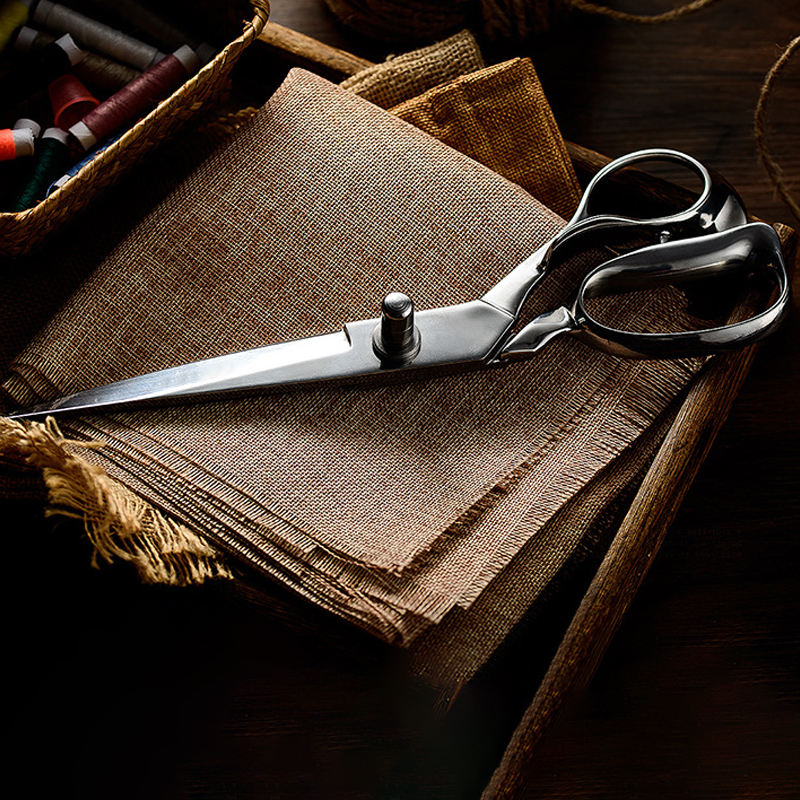
The global market for scissors continues to grow, driven by professional applications, specialized textile and composite materials and renewed interest in high‑quality tools for home and craft use. Segments such as tailors' and industrial scissors are expected to see steady annual growth over the coming years, reflecting increasing precision requirements in apparel manufacturing and technical textiles.
While Asia‑Pacific leads in overall production volume, Europe and North America dominate the high‑end and precision segments where Solingen brands are especially competitive. For buyers seeking long‑term reliability, consistent quality and genuine provenance, Solingen makers still define a benchmark for professional‑grade scissors.
For international brands, wholesalers and manufacturers looking for OEM or private‑label scissors, Solingen offers a powerful combination of heritage, engineering and trust.
- Heritage and storytelling: Centuries‑old brands like Friedrich Herder add marketing value and authenticity to premium product lines.
- Craftsmanship and consistency: A high degree of handwork, combined with strict local standards, yields durable blades and reliable cutting performance.
- Specialization: Makers such as WASA focus solely on scissors, providing deep technical expertise across many different models and applications.
- Reputation protection: Legal protection of the “Solingen” name helps safeguard buyers from counterfeits and supports brand integrity in global markets.
These strengths provide a useful reference for OEM buyers, even when production occurs outside Germany.
Brand | Founded / Heritage | Core Products | Notable Features | Typical Customers |
Friedrich Herder | Craft roots before 1648; brand founded 1727 | Knives, scissors, tools | One of Europe's oldest knife and scissor makers, historic Pikas spade logo | Professional kitchens, trade users, collectors |
WASA | Established 1907 in Solingen | Scissors only | Small specialist team, 1000+ components, exports worldwide | Tailors, textile manufacturers, premium retail |
Robuso | Founded 1919 | Traditional and industrial scissors | Very high percentage of handwork; multi generation family leadership | Automotive, wind energy, aviation, industrial users |
Even if the final product is manufactured outside Germany, Solingen makers set a useful reference framework for quality evaluation. By translating these characteristics into clear specifications, buyers can ensure that their own scissor lines deliver a comparable user experience.
When assessing a scissor supplier or OEM product, focus on:
1. Steel quality and hardness – Look for appropriate steel grades and controlled heat treatment for edge retention without brittleness.
2. Blade alignment and tension – Blades should close smoothly from pivot to tip without gaps, snagging or excessive resistance.
3. Grinding and finishing – Even bevels, clean edges and polished surfaces reduce friction and improve cutting precision.
4. Ergonomics – Handle shape, weight balance and finger ring design should match the intended use, from tailoring to office work or industrial cutting.
5. Lifecycle cost – High‑quality scissors can be resharpened and used for many years, often lowering total cost of ownership compared with disposable low‑end options.
This checklist provides a simple, repeatable way to compare suppliers and models.
From a user‑experience perspective, the best scissors are those that feel natural in the hand and deliver clean cuts with minimal effort. Matching the tool to the task is essential for both performance and safety.
- Tailoring and fashion: Tailors' shears need long blades, high leverage and stable alignment for thick fabrics and multiple layers.
- Embroidery and crafts: Small, sharp tips support precise trimming without damaging surrounding material.
- Industrial and technical textiles: Reinforced blades and special geometries handle composites, insulation and technical fabrics.
- Household and office use: Lighter, general‑purpose scissors prioritize comfort and versatility over extreme specialization.
Designing assortments around such use cases increases customer satisfaction and reduces product returns.
As global demand for premium scissors grows, more brands and wholesalers seek OEM partners who can deliver consistent quality at scale. Solingen's history offers a quality blueprint that can be transferred into modern OEM relationships, even when production takes place in other manufacturing centers.
When evaluating or working with an OEM scissor manufacturer, consider:
- Adopting Solingen‑style standards for heat treatment, grinding precision and inspection processes.
- Building category depth with specialized SKUs (tailor's shears, fabric scissors, household, office) inspired by Solingen makers' product ranges.
- Emphasizing user experience in handle ergonomics, surface finish and packaging.
- Telling a craftsmanship story in your branding, highlighting design inspiration from heritage scissor centers like Solingen.
Positioning your assortment around these principles can support premium pricing and long‑term brand loyalty.
If you are a brand owner, wholesaler or manufacturer planning your next scissor line, use the following steps to align with the best practices illustrated by Solingen's makers.
1. Define your core use cases
Identify whether your priority is professional tailoring, home sewing, office use or industrial applications, and build customer personas for each segment.
2. Specify quality benchmarks
Translate Solingen‑level characteristics for steel, hardness, blade geometry and hand‑finishing into written technical requirements for your OEM partner.
3. Request detailed samples and testing
Evaluate prototypes for sharpness, cut consistency, comfort and durability, then refine your specification based on feedback from real users.
4. Assess supplier capabilities
Look for long‑term experience with scissors, mature quality‑control systems and the ability to support custom branding, packaging and long‑term collaboration.
5. Build a long‑term roadmap
Start with a focused assortment, then expand into specialty models as market awareness and demand grow, using data from sales and customer feedback.
If you are planning to launch or upgrade a premium scissor line, now is the right time to move, while demand for high‑quality and specialty scissors continues to grow. Use the proven standards of Solingen's historic makers as your benchmark for steel quality, craftsmanship and user experience, and then work with a capable OEM partner to translate those standards into scalable production under your own brand.
Clarify your target markets, list the key features you need from blade to handle, and begin a structured supplier evaluation process today. By aligning your product strategy with Solingen‑inspired principles, you can create scissors that stand out on the shelf, win professional trust and build long‑term value for your brand.
Contact us to get more information!
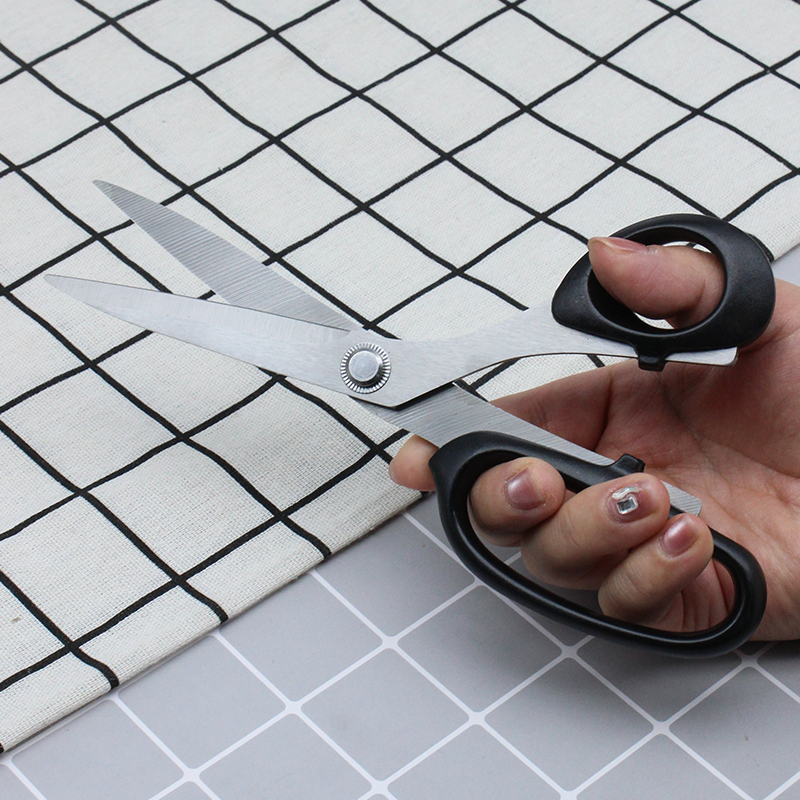
Solingen combines centuries of blade‑making tradition with ideal natural resources, including iron ore, forests for charcoal and river power, along with strong guild systems and strict quality standards. Together, these factors created a unique environment for high‑quality blade production and a reputation that spread worldwide.
The “Solingen” name is protected, and it may only be used when key stages of production take place in the Solingen area and products meet defined quality criteria. Products that misuse the name to imply Solingen origin without meeting these conditions can face legal action and reputational risk.
Friedrich Herder is one of Europe's oldest blade makers, with roots before 1648 and a formally established brand since 1727. The company maintains a mix of traditional and modern products, and its historic Pikas logo is widely recognized among professionals and collectors.
WASA focuses exclusively on scissors, exporting a wide range of specialized models to customers around the world. Robuso combines traditional handcrafting with precision tools for industrial sectors such as automotive, wind energy and aviation, where reliability and performance are critical.
OEM buyers can benefit by adopting Solingen‑level specifications for steel, finishing and ergonomics, then building assortments tailored to specific user groups and applications. At the same time, they can use heritage‑inspired storytelling to justify premium pricing and build customer trust in their own brands.
1. https://ciselier.com/blogs/news/meet-solingen-s-historic-scissor-makers-wasa-robuso-and-friedrich-herder
2. https://ciselier.com/blogs/news/friedrich-herder-oldest-scissor-maker-in-europe
3. https://herder-solingen.de/en/pages/our-history
4. https://bernalcutlery.com/collections/friedr-herder-scissors-shears
5. https://smkw.com/knife-101-solingen-germany
6. https://klever-solingen.com/user-data/downloads/mediacenter/klever-solingen-qualification.pdf
7. https://datahorizzonresearch.com/tailors-scissor-market-25723


