
English 


Views: 222 Author: Amanda Publish Time: 2026-02-12 Origin: Site


Content Menu
● The Literary Roots of the Scissors–Marriage Metaphor
>> From Classic Literature to Everyday Wisdom
>> Why Scissors Make Such a Strong Marriage Metaphor
● “Marrying the Blades”: Inside the Craft of Premium Scissors
>> The Artisans Behind Perfectly Matched Blades
>> How Blades Are “Married” in Practice
● Relationship Lessons from “Marrying the Blades”
>> Four Practical Insights from the Scissors Analogy
>> From Workshop to Wedding: Applying the Metaphor
● Scissors, Superstition, and Marriage Symbolism Around the World
>> Folklore and Cautionary Tales
>> Modern Reinterpretations of Scissor Symbolism
● Scissors in Wedding Ceremonies and Gifts
>> From Ribbon Cutting to Personalized Heirlooms
>> Why Premium Scissors Make Meaningful Wedding Gifts
● What Couples Can Learn from Traditional Scissor Makers
>> Shared Craftsmanship, Shared Life
>> Continuous Improvement and “Sharpening” Together
● For Brands and OEM Buyers: Turning the Metaphor into Product Value
>> Scissors as Story-Driven Products
>> How OEM Scissors Support Wedding and Lifestyle Collections
● Superstitions, Boundaries, and Healthy “Cuts” in Marriage
>> Moving Beyond Negative Superstition
>> Balancing Togetherness and Individuality
● User Experience: How to Use This Metaphor in Real Life
>> Ideas for Brands, Retailers, and OEM Partners
● Call to Action: Transform Symbolism into a Lasting Keepsake
● FAQs: Scissors, Marriage, and Symbolic Gifting
>> 1. Why are scissors such a popular metaphor for marriage?
>> 2. Are there cultures that use scissors in wedding ceremonies?
>> 3. Do scissors always symbolize something negative, like cutting ties?
>> 4. What makes premium scissors a good wedding or anniversary gift?
>> 5. How can brands or retailers build a collection around this metaphor?
Marriage is often compared to a pair of scissors: two separate blades, permanently joined, moving in different directions yet working toward the same purpose. This powerful image has deep roots in literature, craftsmanship, and even superstition, and it still offers modern couples practical wisdom about partnership, communication, and growth.

Writers and preachers have long used scissors to describe committed partnership. One widely quoted line compares two people to the two halves of a pair of scissors, suggesting that when they are apart they are “nothing,” but when joined they become “something” with real purpose. This simple image captures how two individuals retain their uniqueness yet gain power and meaning when united in marriage.
In the 19th century, an English clergyman famously compared marriage to a pair of shears “so joined that they cannot be separated,” often moving in opposite directions yet punishing anyone who comes between them. This picture highlights three key truths: enduring unity, differing perspectives, and a shared boundary that protects the relationship from interference.
Scissors are an everyday tool, but their design encodes a surprisingly rich picture of partnership.
Key symbolic traits include:
- A permanent pivot: The central screw or bolt holds both blades together, just as shared values and commitments hold a couple together.
- Opposing movement, shared outcome: Each blade moves in what looks like the opposite direction, yet both serve the same cutting purpose.
- Mutual dependence: A single blade is almost useless on its own; power comes from the pair working together.
- Protection from interference: Anyone between the blades will quickly feel the consequences, just as relationships suffer when boundaries are ignored.
This combination of unity, tension, and shared purpose is what makes scissors such a memorable symbol for marriage.
In the world of traditional craft scissors, the stage where two finished halves are joined is literally known as “marrying the blades.” Before this stage, the halves have been forged, ground, hardened, and shaped to precise specifications by specialist makers.
In historic scissor-making centers like Sheffield in England, this marrying process is handled by a master craftsperson sometimes referred to as the “putter-togetherer.” These specialists typically complete years of training and are responsible for ensuring each pair opens and closes with a smooth, even cut along the entire blade length. Their work determines whether a pair will feel cheap and loose or solid and precise.
The marrying process is delicate and highly skilled. A simplified version of the steps looks like this:
1. A precise curve is hammered into each blade so they meet perfectly along the cutting edge.
2. The blades are assembled around a pivot and adjusted for tension so they neither wobble nor bind.
3. The assembled scissors are ground and sharpened, often on large, traditional grinding wheels.
4. The blades are closed for the very first time, allowing each edge to remove the tiny burr left by its counterpart.
This first closure is the moment the blades are truly “married together.” It ensures a clean, continuous cut and is a perfect metaphor for a couple's early compromises and adjustments. The process shows how fine alignment and small corrections can turn two separate pieces into one effective tool.
Trainers and coaches often use scissors in leadership and relationship teaching, drawing out life lessons from their design. These insights translate easily into relationship principles:
- Alignment matters more than sameness. Each blade has its own curve and grind, but both must align along the cutting edge to be effective.
- Tension must be just right. Too loose and the scissors fail to cut; too tight and everything grinds to a halt. Relationships need balanced “tension” between independence and togetherness.
- Regular sharpening prevents dullness. Just as blades need maintenance, couples need ongoing learning, honest conversations, and shared experiences to avoid emotional dullness.
- Direction can differ, purpose must not. Scissor blades move in opposite arcs, yet serve one cutting line. Partners can have different styles, as long as they share a long-term vision.
These simple lessons make the scissors–marriage metaphor practical instead of purely poetic.
Couples can borrow imagery from the scissor-making process to frame how they approach marriage:
- Treat engagement as the forging and shaping stage, where values, habits, and expectations are refined.
- See marriage as the moment the “pivot screw” is set — your shared commitment and public vows.
- View challenges as opportunities to re‑adjust “tension” and “sharpen” your communication.
Using this metaphor in wedding vows, speeches, or ceremony decor can make the theme feel both romantic and grounded in real-world wisdom.
Not all associations between scissors and marriage are positive, especially in older superstitions. In some regions, people once believed scissors could be used to place a curse on a bridegroom, symbolically “cutting” his ability to consummate the marriage. Stories like this reveal how powerful and unsettling the idea of cutting can be when applied to relationships.
More broadly, scissors appear in folk traditions as symbols of cutting ties, boundaries, or transitions. In a contemporary context, these meanings can be reinterpreted more positively as reminders to cut away harmful habits or external pressures that damage a relationship, instead of fearing the tool itself.
Today, couples and brands increasingly reinterpret scissors as symbols of:
- New beginnings – cutting a ribbon to open a new business or a new chapter together.
- Precision and craftsmanship – investing care in how they build their life.
- Protection and boundaries – knowing when to cut off negative influences.
These meanings align naturally with premium, handcrafted scissors used as heirloom wedding gifts, customized ceremony tools, or keepsakes. The symbolism turns an everyday object into a thoughtful reminder of shared values.
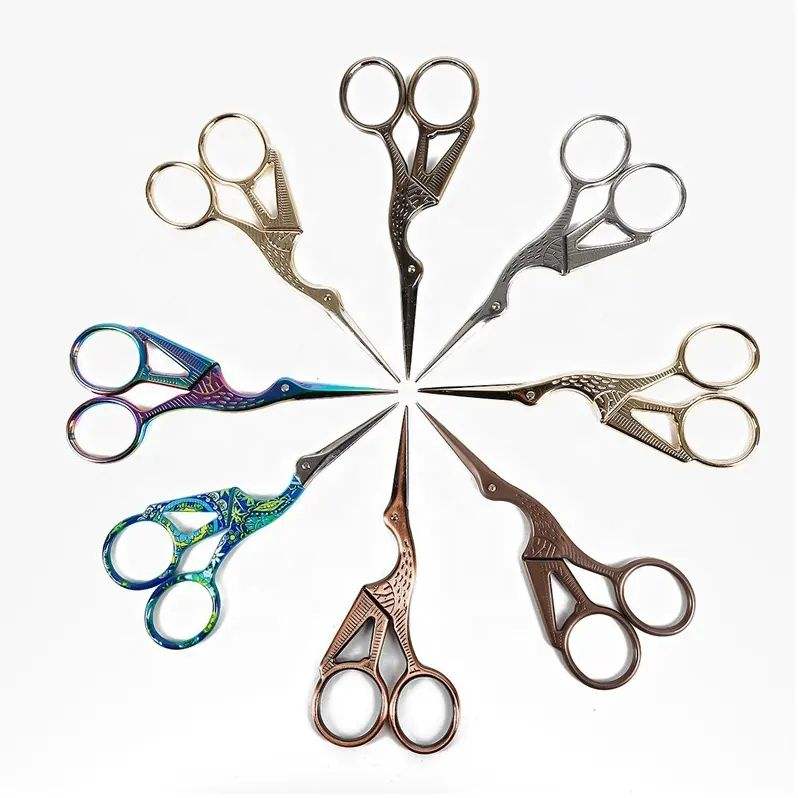
In some cultures, scissors feature directly in wedding rites, often placed on ceremonial trays alongside cloth, thread, fruit, and other symbolic items. They can represent cutting a new path, preparing a home, or joining two lives with intention. Modern couples adapt this idea in creative ways: cutting a ribbon together at the reception entrance, using embellished craft scissors for stationery cutting, or displaying a custom engraved pair next to the guest book.
Personalized scissors might include engraved names, initials, wedding dates, or even a short quote inspired by traditional scissors–marriage sayings. When crafted by experienced manufacturers, these pieces serve both as functional tools and as long-lasting visual reminders of the couple's shared story.
Because scissors already carry strong symbolic associations — unity, precision, and shared purpose — they naturally lend themselves to meaningful gifting. High-quality scissors crafted from durable steels and finished by skilled workers can last for decades with proper care.
Gift-givers can choose:
- Tailor's or dressmaking shears for couples who love fashion or design.
- Kitchen scissors for home cooks and food-loving newlyweds.
- Embroidery or craft scissors for creative couples who sew, quilt, or craft together.
Adding custom packaging, a printed story about the scissors–marriage metaphor, and the couple's name transforms a practical item into a unique keepsake.
Traditional scissor workshops treat each pair of scissors as a complete project that passes through multiple expert hands. The process starts with design and forging, then moves through grinding, hardening, polishing, and finally marrying the blades. Each stage demands patience, precision, and respect for the material.
Couples can draw three big lessons from this model:
- Division of roles, shared responsibility. Different specialists handle different stages, just as partners can split tasks while still owning the result together.
- Long-term quality over quick fixes. Handmade scissors take more time to produce but outperform cheap, mass-produced alternatives; likewise, deep relationships prioritize quality over shortcuts.
- Respect for invisible work. The marrying and fine-tuning stages are not always visible to outsiders, but they determine performance. Many crucial relationship conversations are similarly hidden but vital.
Just as premium scissors benefit from occasional sharpening, oiling, and adjustment, marriages thrive when couples periodically realign goals and refresh routines. Some practical ideas inspired by the workshop mindset include:
- Scheduling a yearly “relationship tune‑up” to discuss what is working and what needs adjusting.
- Creating simple rituals — weekly planning sessions, shared hobbies, or learning a skill together — to mirror how craftsmen consistently refine their techniques.
- Treating conflict as a sharpening process, not a defect, as long as both “blades” stay aligned on respect and care.
This mindset turns maintenance into a shared habit instead of a sign that something has gone wrong.
For international brands, wholesalers, and manufacturers who work with OEM partners, the scissors–marriage metaphor is a powerful storytelling tool. By framing premium scissors as symbols of unity, precision, and longevity, it becomes easier to position them as thoughtful wedding gifts, anniversary presents, or ceremonial tools.
Partnering with an experienced scissors manufacturer allows you to develop themed lines such as wedding edition scissors, ceremonial ribbon‑cutting shears, or personalized heirloom sets. These can match your brand's aesthetic while leveraging high‑quality production and finishing expertise.
An OEM-focused factory can support:
- Custom handle shapes and finishes for bridal, anniversary, or new home themes.
- Blade engravings with logos, dates, initials, or short messages.
- Premium packaging tailored for gift shops, wedding boutiques, and online marketplaces.
When combined with the rich cultural and literary symbolism outlined in this article, these product lines can stand out in a crowded market and resonate with couples looking for meaningful, story‑driven items.
Historic beliefs that linked scissors to curses or broken relationships reflect old anxieties about vulnerability at the start of marriage. Instead of reinforcing fear, modern couples can reinterpret scissors as tools for intentional cutting — choosing what to remove from their shared life.
Examples of healthy “cuts” include:
- Letting go of destructive habits or unhelpful comparisons.
- Setting firmer boundaries with people or commitments that strain the relationship.
- Choosing to cut time‑wasting distractions in favor of shared projects.
This reframing turns a fearful superstition into a constructive, forward-looking practice.
Scissor blades never merge into one solid piece; they stay distinct yet interdependent. That makes them an ideal image for couples who want both connection and individuality. Partners can maintain personal interests, friendships, and growth paths while keeping their pivot — shared values and direction — solid and well‑maintained.
This balance is especially important in long‑term relationships, where the risk is not separation but stagnation. Like well‑made scissors, strong marriages are designed to move, flex, and work; they are not meant to lock into rigid, unmoving shapes.
Couples can bring the scissors–marriage theme into their relationship in simple, practical ways:
- Include a scissors–marriage quote on invitations, vow booklets, or ceremony programs.
- Use a beautifully crafted pair of scissors for ribbon‑cutting at the reception entrance, then keep it as a home display piece.
- Gift each other a premium pair of scissors and commit to a yearly “sharpening” ritual — reviewing your goals while cleaning and maintaining the scissors.
These small actions make the symbolism visible in daily life instead of leaving it on the page.
Brands and wholesalers can improve user experience by designing collections and content around this theme:
- Create product pages that explain the scissors–marriage story and its symbolism in clear, engaging language.
- Offer gift sets that bundle scissors with a printed card sharing the historical quotes and a care guide.
- Add blog content, videos, or social posts that show artisans at work “marrying the blades” and relate it back to partnership and commitment.
By combining storytelling with visual content, brands can help customers connect emotionally with what might otherwise seem like a simple tool.
Whether you are a couple planning a wedding, a retailer building a bridal collection, or a brand looking for memorable ceremonial tools, a well‑made pair of scissors can become a lasting symbol of unity and shared purpose. By working with experienced manufacturers and OEM specialists, you can develop personalized scissors that combine story, symbolism, and everyday function.
If you are exploring premium scissors for wedding gifts, bridal collections, or ceremony essentials, now is the ideal time to define the designs, finishes, and engravings that best reflect your audience — and to partner with a manufacturer who can “marry the blades” to your exact standards. Reach out to discuss your ideas, request samples, and start creating scissors that couples will treasure long after the ceremony ends.
Contact us to get more information!
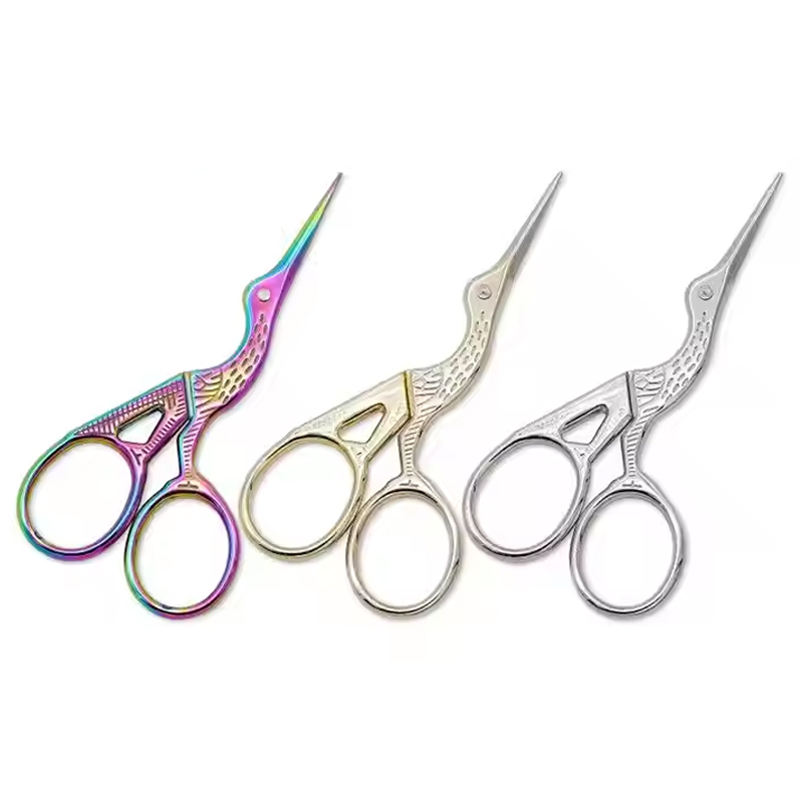
Scissors embody two distinct yet permanently joined parts that move in different directions but serve one purpose, mirroring how two individuals operate as one partnership. The design shows how unity, tension, and shared goals work together in a healthy relationship.
Yes. In some traditions, scissors appear on ceremonial trays alongside cloth, thread, and symbolic foods to represent cutting a new path or preparing a shared home. Modern couples also use scissors for entrance ribbon‑cutting, stationery details, and personalized keepsakes.
No. While some superstitions portray scissors as tools for curses or separation, many contemporary interpretations focus on positive themes such as new beginnings, precision, and setting healthy boundaries. The same tool that cuts can also symbolize clarity and intentional change.
High‑quality scissors combine daily utility with strong symbolic meaning — unity, craftsmanship, and long‑term durability. When they are carefully forged, ground, and “married” by expert makers, then customized with engraving or special packaging, they become thoughtful, long‑lasting gifts.
Brands can develop themed product lines — such as wedding edition scissors or ceremonial ribbon‑cutting shears — accompanied by storytelling on packaging and product pages that explains the scissors–marriage connection. Working with experienced OEM manufacturers makes it possible to tailor materials, finishes, and branding for different markets and occasions.
1. https://ciselier.com/blogs/news/how-scissors-and-marriage-were-made-for-each-other
2. https://www.ernestwright.co.uk/craftsmanship/
3. https://lightoftruth.in/gods-own-words/mrigrssrs/
4. https://www.parstimes.com/women/marriage_cermony.html
5. https://www.ernestwright.co.uk
6. https://ciselier.com/blogs/news/why-quality-handmade-scissors-are-more-expensive-and-worth-every-penny
7. https://ciselier.com
8. https://www.ernestwright.co.uk/craftsmanship/


