
English 


Views: 222 Author: Amanda Publish Time: 2026-02-19 Origin: Site


Content Menu
● Why Premana Became Italy's Scissor Capital
● From Ironworking Roots to a Modern Blade Industry
>> Early Ironworking and Venetian Influence
>> The Return Home and the Birth of Local Workshops
● Inside Premana's Artisanal Scissor Workshops
>> Fennek: A Heritage Brand Growing from White-Label Origins
>> Alpen: Specialists in Manicure and Stork Scissors
● The Post-War Boom of Premana's Scissor Industry
● The Collaborative Craft Model Behind Premana's Success
● “Made in Premana”: A Global Mark of Quality
● Artisanal Craft Scissors vs. Mass-Produced Scissors
● Modern Applications for Premium Craft Scissors
● Challenges Facing Traditional Scissor Makers
● Key Lessons for Modern OEM Buyers and Brands
● Take the Next Step: Partner with True Scissor Craftsmen
● FAQs About Premana and Artisanal Scissor Making
>> Q1: Why is Premana so important for scissor manufacturing?
>> Q2: What is the main difference between scissors from Premana and mass-market scissors?
>> Q3: Who are Fennek and Alpen in the context of Premana's industry?
>> Q4: How did the scissor industry in Premana grow after World War II?
>> Q5: Why do international brands choose white-label production in Premana?
Nestled in the Italian Alps, Premana is a small mountain town that has quietly become the beating heart of Italian scissor making, producing the vast majority of the country's scissors and blades. Behind this remarkable production are generations of artisanal craft scissor makers whose skills, tools, and family businesses still shape the global market for precision cutting instruments.
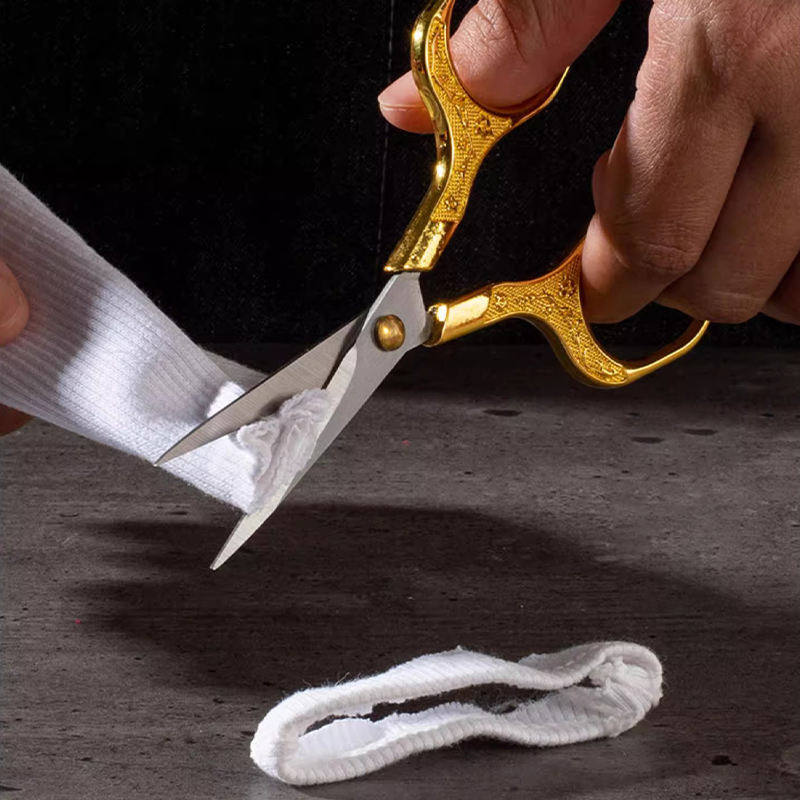
Premana sits high in the mountains of northern Italy, about 70 km northeast of Milan and an hour from Lake Como. The town's location may seem unlikely at first glance, but its scissor tradition is built on long-standing access to iron ore, fast-running streams for power, and fuel to fire the forges.
Over time, this combination of natural resources and skilled labor transformed Premana into a specialized hub for knives, cutlery, and scissors. Today, “Made in Premana” is widely recognized as a mark that signals high-quality, hand-finished scissors sought after by brands and manufacturers around the world.
Driving into Premana along its narrow, winding mountain roads is a reminder that this is not a generic industrial zone. It is a craft community built into the rock of the Alps, where many families still have deep ties to steel and scissor making.
Premana's ironworking story stretches back centuries. In the early 1400s, the Republic of Venice took control of the iron ore resources in Premana and the surrounding areas. As the region was drawn into the Venetian economy, many Premanese metalworkers moved to Venice to work as blacksmiths, weapons makers, and blade artisans.
This exchange of skills and styles created a visible blend of cultures. One famous example is the ornate iron prow-heads for gondolas, known as “dolfins” or “fero da prora,” whose intricate metalwork reflects the craftsmanship and decorative sensibility of Premana's ironworkers.
For a long period, Premana's story was one of emigration and exported expertise. That pattern began to reverse during the 19th century when artisans started returning home to rebuild a local blade industry and develop the town's own reputation as an artisanal center of excellence.
Historical accounts highlight a series of pivotal moments. In 1869, Ambrogio Sanelli returned to Premana, restarted an ancient water wheel, and began producing cutting blades that he traded across distant regions. In 1880, he was joined by the Collini family from Milan, marking a new phase of industrial collaboration and growth.
By the late 19th century, more Premanese families had launched their own craft activities. Premana's knives and scissors began to gain recognition in Italian markets, and the foundations were laid for a town-wide specialization in fine cutting tools.
Founded in 1895, Fennek is a classic example of a Premana family workshop that evolved from anonymous production to a respected global name. Still run by members of the Gianola family, it operates as a small, tightly knit business focused on quality rather than volume.
For much of its history, Fennek served as a white-label manufacturer, producing scissors that carried other companies' brands, including firms in historically famous knife and cutlery regions such as Solingen and Sheffield. In 1953, a strategic decision was made to establish Fennek as a standalone brand, gradually building recognition among scissor and cutlery aficionados as well as textile retailers.
Even today, Fennek's products embody a clear philosophy. While large companies chase supermarket and mass-distribution deals, Fennek is committed to elevating quality, refining craftsmanship, and serving a niche market where long-term performance and precise cutting matter more than volume.
Born in the post–Second World War boom, Alpen represents Premana's modern resurgence. It is a family-run firm co-led by Mauro and Pietro Gianola, with a new generation entering the business in 2015 when Walter joined the company.
Alpen has carved out a specialist niche in stork scissors and manicure and pedicure scissors. These categories demand fine tips, smooth cutting action, and high durability, making them ideal showcases for Premana's strengths in meticulous grinding and hand-finishing. Alpen's focus on beauty and grooming tools highlights how the town's craft has diversified beyond industrial cutting to serve highly specific, value-added applications.
Premana's identity as a modern scissor powerhouse accelerated significantly after the Second World War. Around 150 young Premanese returned home from prison camps across the world and threw themselves into rebuilding local craft businesses.
At the turn of the 20th century, there were roughly 10 blade workshops operating in Premana. By 1952, that number had grown to 20, and by 1960 it had more than doubled again, reaching 48 workshops. This era marked an exceptional period of growth driven by entrepreneurial spirit and intense collaboration.
By 1990, Premana, a town of roughly 2,500 residents, was home to more than 250 companies across different industries, with blades and scissors at the core. It was a unique cottage-industry startup phenomenon: a kind of Silicon Valley for steel, powered by mechanization and supported by artisans who still handled the most delicate and demanding tasks by hand.
For centuries, Europe's blade trades depended on “outworkers,” independent specialists who performed one stage of production for multiple manufacturers. Premana embraced this collaborative model in an especially concentrated way.
Many families turned their basements into workshops, each focusing on a particular task such as forging, grinding, or polishing. Manufacturers coordinated these specialists, sending semi-finished pieces to be refined by different experts before final assembly and inspection.
This structure allowed small businesses like Alpen and Fennek to compete on quality and complexity without building massive factories. Although many basement workshops have disappeared, the culture of specialization, cooperation, and shared standards still defines the local craft ecosystem.
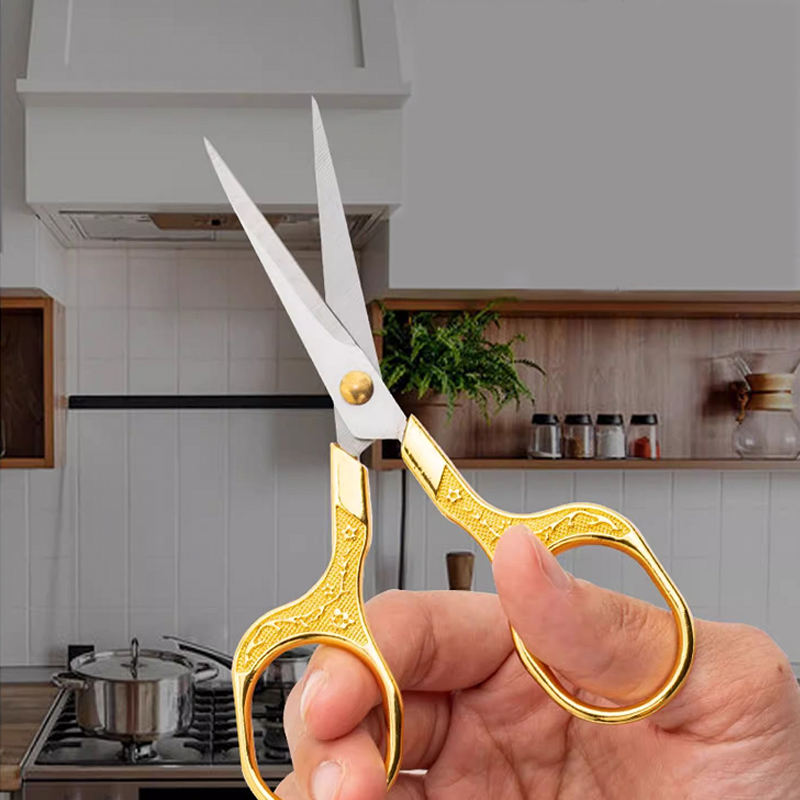
In the world of high-end scissors, “Made in Premana” functions as an unofficial quality seal. For brands, wholesalers, and manufacturers looking for reliable OEM production, the town represents a powerful combination of deep material expertise, generational knowledge of blade geometry, and hand-finishing skills that machines alone cannot fully replicate.
Even today, many clients in better-known manufacturing regions quietly rely on Premana's artisans as white-label partners. These partners trust Premana's makers with the most demanding aspects of production, confident that they will receive consistent sharpness, smooth cutting action, and durable performance.
For end users, including textile professionals, grooming brands, and specialist retailers, products sourced from Premana often stand out through superior edge retention, better ergonomics, and a noticeably refined cutting feel.
Understanding what makes artisanal craft scissors different from mass-produced scissors is essential for anyone building premium product lines or sourcing high-value OEM tools.
Aspect | Artisanal Craft Scissors (Premana-style) | Mass-Produced Scissors (Generic) |
Steel quality | Higher-grade steel, carefully selected for hardness, toughness, and edge retention. | Often lower-cost steel optimized primarily for minimal price. |
Manufacturing process | Combination of targeted mechanization and meticulous hand-finishing, with multiple quality checks. | Highly automated production with limited manual inspection. |
Edge geometry | Edge angles tuned by experienced sharpeners for specific uses such as textiles or grooming. | Generic edge profiles designed for broad, non-specialized applications. |
Durability | Built for years of use with proper care, designed to be maintained rather than discarded. | Treated as semi-disposable, often showing noticeable wear over a shorter period. |
Brand positioning | Ideal for premium lines, professional tools, and specialist markets. | Common in low-cost, high-volume retail channels. |
Choosing a craft-driven supplier gives brands access to this higher standard of steel, design, and finishing as an integral part of the production process.
While Premana's story is grounded in history, its craft scissors serve a wide range of modern industries and niches. Understanding these applications helps brands position their products more effectively.
- Textile and garment production: Tailors, ateliers, and factories need precise cutting tools to maintain clean lines, protect delicate fabrics, and improve workflow efficiency.
- Beauty and personal care: Manicure, pedicure, and grooming scissors must combine sharpness with safety, comfortable handling, and long-term reliability.
- Medical and specialty fields: Fine-tipped, curved, or micro-serrated scissors are used in specialized environments where accuracy and consistency are critical.
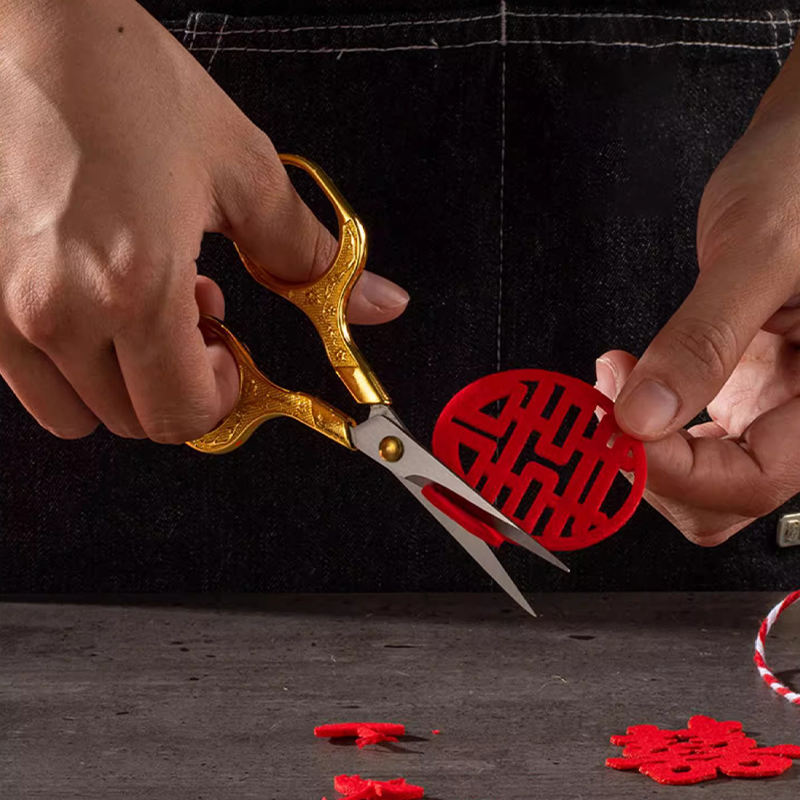
- Craft, design, and home use: High-quality craft scissors support designers, makers, and enthusiasts who value clean cuts, smooth motion, and tools that last.
In each of these sectors, partnering with skilled OEM makers in traditional hubs like Premana enables brands to differentiate their offerings not just in appearance, but in function, feel, and lifespan.
Despite its heritage and reputation, Premana's craft community faces intense pressure from mass production and global commoditization. Many large manufacturers have shifted their focus to high-volume contracts with large distributors and supermarkets, placing strong emphasis on cost reduction.
This shift has contributed to a decline in the number of artisans dedicated to traditional, hand-crafted scissor making. Precise, hand-finished scissors require more time, higher-grade materials, and skilled labor, which can be difficult to sustain in markets that prioritize the lowest possible price.
As a result, brands and buyers who value durability, ergonomics, and performance increasingly seek out small makers like those in Premana, helping maintain a niche in which quality and craftsmanship remain central.
For international brands, wholesalers, and manufacturers looking for OEM scissor partners, Premana offers important insights into how craft and industry can work together. The town's history and current practices suggest several practical lessons.
- Location and heritage matter. Proximity to quality steel sources, established infrastructure, and long-standing metalworking traditions creates a strong base for consistent, high-precision tools.
- Specialization increases reliability. Workshops focused on specific product types, such as textile shears or manicure scissors, build deep process knowledge that is ideal for demanding OEM projects.
- Collaborative ecosystems raise quality. Clusters of specialists, each responsible for a particular stage of production, can achieve superior consistency compared with single, highly automated factories.
- Authentic craft supports premium positioning. When a product genuinely originates from a craft hub like Premana, brands can confidently communicate higher value, better performance, and a richer product story.
For companies looking to elevate their product lines, aligning with artisanal centers of excellence is a proven way to stand out in competitive markets.
If you are a brand owner, wholesaler, or manufacturer looking to elevate your scissor lineup, this is the ideal moment to align with genuine artisans who live and breathe precision steelwork. By choosing experienced makers rooted in a long-standing craft tradition, you can offer products that deliver superior performance, tell a compelling story, and stand out clearly from mass-market alternatives.
Reach out to a trusted artisanal scissor partner now, discuss your OEM or private-label needs, and start building a collection of scissors that reflect real craftsmanship, consistent quality, and long-term value for your customers.
Contact us to get more information!
A1: Premana has become a key center for scissor manufacturing because it combines access to iron ore, centuries of metalworking tradition, and a dense network of specialized workshops. These factors have allowed the town to build an enduring reputation for producing high-quality scissors and blades.
A2: Scissors from Premana typically use higher-grade steel, refined edge geometry, and extensive hand-finishing, resulting in tools designed for long-term, professional use. Mass-market scissors are usually optimized for low cost and high volume, which often means compromising on materials, finishing, and overall longevity.
A3: Fennek and Alpen are family-run scissor makers based in Premana. Fennek, founded in 1895, is known for its heritage in craft scissors and its evolution from white-label manufacturing to a recognized brand. Alpen emerged in the post-war era and focuses on stork scissors and manicure and pedicure scissors, serving both professional and consumer markets.
A4: After World War II, young Premanese returning from prison camps played a central role in rebuilding and expanding local workshops. The number of blade workshops increased significantly during this period, and the town developed a dense network of small firms that collectively turned Premana into a thriving scissor and blade hub.
A5: International brands choose white-label production in Premana to benefit from the town's specialized skills, consistent quality, and deep craft heritage while marketing products under their own brand names. This approach enables them to offer premium performance and authentic craftsmanship without building their own in-house production facilities.
https://ciselier.com/blogs/news/meet-the-artisanal-craft-scissor-makers-of-premana


