
English 


Views: 222 Author: Amanda Publish Time: 2026-02-15 Origin: Site


Content Menu
● Why People Say Scissors Are “Bad Luck” Gifts
● Cultural Beliefs About Gifting Scissors
>> Western traditions and gift-giving superstitions
>> Asian perspectives on sharp gifts
● So, Is It Bad Luck to Give Scissors for Father's Day?
● Common Myths and How to Neutralize “Bad Luck”
>> Turn the gift into a “purchase”
● When Scissors Make an Excellent Father's Day Gift
>> Ideal for fathers who value craftsmanship
>> Choosing the right type of scissors
● Practical Tips: How to Give Scissors Without the “Bad Luck”
>> Step 1: Acknowledge the superstition
>> Step 2: Include the “lucky coin” ritual
>> Step 3: Highlight the craftsmanship and purpose
● Scissors and Other “Unlucky” Gifts Compared
● Expert Perspective: Why Thoughtful Tools Beat Trendy Gadgets
● Make Your Next Father's Day Gift Sharper and More Meaningful
● FAQs About Gifting Scissors for Father's Day
>> 1. Is it always bad luck to give scissors as a gift?
>> 2. How can I avoid the bad luck associated with gifting scissors?
>> 3. Are scissors an appropriate Father's Day gift in Asian cultures?
>> 4. What type of scissors should I choose for Father's Day?
>> 5. How can I make a pair of scissors feel special and not just functional?
Giving scissors as a Father's Day gift is often said to bring bad luck, but in reality it is a mix of old superstition, cultural symbolism, and modern gifting etiquette. When you understand the traditions behind this belief, you can turn a “risky” gift into a thoughtful, meaningful, and even lucky present for the father figures in your life.

For centuries, sharp objects like scissors and knives have been linked with the idea of cutting relationships, which is where the bad luck myth begins. In many cultures, gifting scissors is thought to symbolize severing emotional ties or bringing conflict between the giver and the receiver.
- In European folklore, sharp gifts can be said to “cut” friendships, love, or good fortune.
- In parts of Asia, knives and scissors are sometimes considered inauspicious for weddings or housewarmings because they may imply cutting ties or shortening happiness.
- Everyday phrases such as “cutting someone off” reinforce the symbolic link between sharp tools and broken relationships.
On a practical level, there is also the simple concern that scissors are very sharp and can cause injury if misused, which easily blends with superstitious ideas of danger or misfortune.
In Western cultures, the superstition around sharp gifts is widespread but usually treated light-heartedly rather than strictly enforced. Knives and scissors frequently appear on lists of “unlucky” presents because they are believed to slice a relationship in two.
- Sharp tools are often discouraged as gifts for romantic occasions and weddings.
- Some traditionalists suggest avoiding scissors for significant life celebrations.
- Folklore offers an easy workaround: turning the “gift” into a “purchase” with a small coin, which cancels the bad luck.
Today, many people see these beliefs as charming legends rather than rigid rules, especially when the object itself is high quality, practical, and clearly chosen with care.
In parts of Asia, the symbolism of cutting can be taken more seriously, especially in formal gift-giving situations.
- In countries such as Japan, knives and scissors can remind some people of cutting ties, so they may be avoided for celebrations like weddings or housewarming parties.
- In other East Asian traditions, sharp objects can symbolize conflict or separation; if they are given, it is common to accept a coin in return so the item becomes a purchase instead of a pure gift.
- Many taboo gifts in the region (such as certain flowers or clocks) are linked with negative wordplay or associations with endings and loss.
However, modern attitudes are evolving. High-quality tools, including scissors, are increasingly appreciated as symbols of skill, craftsmanship, and a sharp path forward in life or career.
From a strict superstition standpoint, some people do believe that gifting scissors is bad luck because it allegedly cuts the bond between giver and recipient. In reality, what matters most is your intention and how well the gift matches the recipient's interests and personality.
A pair of finely crafted scissors can be:
- A symbol of precision and excellence for a father who values quality tools.
- A practical, long-lasting item that he will use and appreciate for years.
- A personal gift, especially if it relates to his profession or hobbies, such as tailoring, crafting, cooking, or gardening.
If your father is not particularly superstitious, a premium pair of scissors chosen for his lifestyle is far more likely to be seen as a thoughtful upgrade than an omen.
Superstitions often come with built-in antidotes, and scissors are no exception. If you or your father feel even slightly uneasy about the tradition, you can use these classic rituals to cancel out the bad luck while still enjoying the gift.
One of the most widespread customs is to include a small coin with the scissors and ask the recipient to give it back to you as symbolic payment.
- The exchange converts the scissors from a gift into a transaction and is believed to break the superstition.
- Any small coin works; it is the gesture that matters, not the amount.
- Many modern brands even include cards or notes explaining this tradition as a charming detail.
This simple step is an easy way to honor tradition and still give something practical and meaningful.
Another playful antidote is to recite a short rhyme when giving the scissors, emphasizing the strength of your relationship.
A classic version goes:
“If you love me, as I love you, no pair of scissors can cut our love in two.”
This small ritual can turn a moment of superstition into a moment of connection and fun, especially when shared within the family.
Scissors may be considered “unlucky” in superstition, but in practice they can be one of the most personal and practical Father's Day gifts you can choose.
Many fathers enjoy tools that are built to last, especially when they are made by heritage artisans using traditional methods. High-quality scissors can be a perfect choice for:
- Tailors and garment makers who need precise, long-lasting cutting tools.
- Home sewers and quilters who regularly work with fabrics and patterns.
- Chefs and home cooks who rely on kitchen shears for food preparation.
- Gardeners who use pruning or trimming scissors for delicate work.
In each case, a well-made pair of scissors becomes a daily companion, quietly supporting your father's skills and creativity.
Selecting a model that fits your father's actual needs is one of the best ways to demonstrate thoughtfulness.
- Dressmaking or tailor's shears for fathers who work with textiles.
- Embroidery or detail scissors for those who enjoy fine crafts or model-making.
- Versatile household scissors for DIY enthusiasts and general home use.
- Specialized kitchen scissors for food lovers who appreciate high-performance tools.
When your choice clearly aligns with what he does every day, the gift feels personal rather than generic.
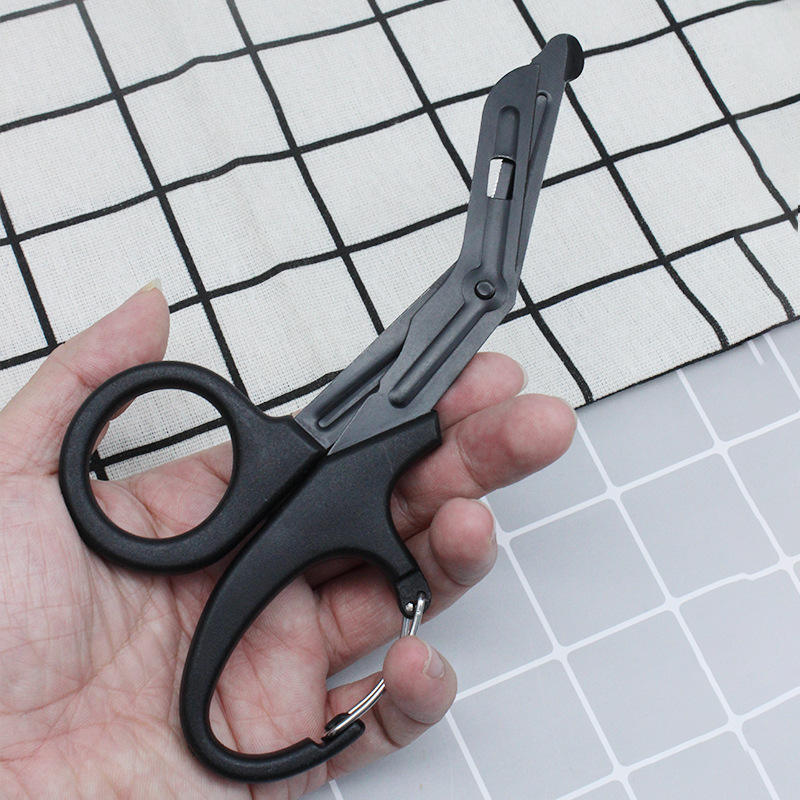
If you decide to give scissors for Father's Day, you can follow a few simple steps to respect tradition, ease any concerns, and enhance the overall gifting experience.
Instead of ignoring the myth, you can briefly mention it in a light and respectful way. For example, in your card you might write:
“I know some people say scissors are unlucky gifts, but I chose this pair because I know how much you will use and enjoy them.”
This shows awareness while affirming your positive intentions.
Add a small coin inside the gift box or envelope with a note explaining that your father can “buy” the scissors from you.
- This immediately neutralizes the superstition for many people.
- It turns the moment into a meaningful, memorable ritual you share together.
It is a simple, charming detail that can become a family tradition in its own right.
Use the card or conversation to emphasize what makes this particular pair special.
- Mention if it is made by specialist artisans or from high-grade steel.
- Connect the tool to his hobbies or profession, such as “For all your tailoring projects” or “For your weekend cooking adventures.”
This reframes the scissors from a symbol of cutting to a symbol of skill, creativity, and care.
Many cultures have lists of items considered unlucky or inappropriate to give, often for reasons rooted in language or symbolism. Understanding this wider context shows that scissors are just one example among many and that these beliefs are flexible and evolving.
Over time, many once-taboo items, such as knives and combs, have been reinterpreted as practical gifts or even symbols of protection, progress, and prosperity.
Gift type | Why some say it is unlucky | Common way to avoid or neutralize it |
Scissors, knives | Thought to sever relationships or “cut ties.” | Receiver gives a coin in return or uses a protective rhyme. |
Handkerchiefs | Associated with tears, sadness, or parting. | Often avoided for romantic occasions. |
Clocks and watches | In some cultures, linked to time running out or endings. | Given with extra positive symbolism or avoided in specific contexts. |
Certain flowers | Negative wordplay or association with funerals and illness. | Replaced with neutral or auspicious varieties. |
From an expert gifting and user-experience standpoint, high-quality tools like heritage scissors often deliver more long-term satisfaction than trendy, short-lived gadgets.
- They are used frequently, creating repeated moments where the recipient remembers the giver with appreciation.
- They age gracefully; a well-maintained pair of scissors can last for many years.
- They reflect a deeper understanding of the recipient's daily life, work, and passions.
For many fathers, a precisely engineered tool that fits their hand and workflow can feel more meaningful than a novelty item that will soon be forgotten.
Scissors may come with a reputation for bad luck, but with the right intention, presentation, and simple rituals, they can become an exceptionally thoughtful Father's Day gift. If your father values craftsmanship, practicality, and tools that are built to last, consider choosing a high-quality pair of scissors that matches his work or hobbies, presenting it beautifully, and including the small coin ritual to honor tradition. Take the next step and select a premium pair of scissors that reflects his skills and personality, so this Father's Day gift is not just sharp in form, but truly sharp in meaning.
Contact us to get more information!
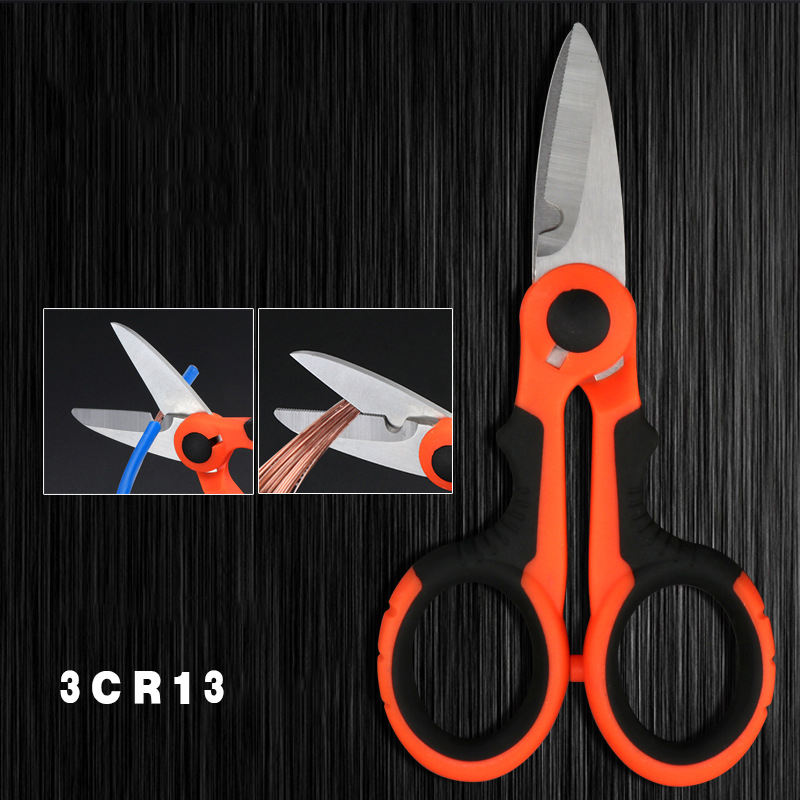
No. Some traditions view sharp gifts as symbolic of cutting ties, but many people see them simply as practical, meaningful presents, especially when paired with a small coin ritual that turns the gift into a symbolic purchase.
Include a small coin with the scissors and ask the recipient to give it back as symbolic payment, or use a short protective rhyme that emphasizes the strength of your relationship. Both approaches are simple and widely recognized ways to neutralize the superstition.
Attitudes vary. Some people prefer to avoid sharp gifts because of the symbolism of cutting ties, while others welcome high-quality tools as symbols of skill and progress. Observing the coin ritual and explaining your thoughtful intentions can make the gift more acceptable.
Try to match the scissors to your father's interests: tailor's shears for sewing, precision scissors for crafts or modeling, kitchen shears for cooking, or sturdy household scissors for general DIY and everyday use. The closer the match, the more personal the gift feels.
Select a well-crafted pair from a reputable maker, present it in premium packaging, include a story card about its origin and materials, add a coin ritual explanation, and write a personal message about why you chose this particular pair. All of these details elevate the experience from functional to truly special.
<strong>References:</strong>
1. https://ciselier.com/blogs/news/is-it-bad-luck-to-give-scissors-as-a-fathers-day-gift
2. https://www.mentalfloss.com/article/516453/20-traditional-gift-giving-superstitions
3. https://www.theknot.com/content/bad-luck-gifts-for-relationships
4. https://www.afar.com/magazine/the-dos-and-donts-of-gift-giving-around-the-world
5. https://www.thevistapress.com/gift-giving-gift-receiving-superstitions
6. https://www.nippon.com/en/guide-to-japan/gu020008/
7. http://www.giftypedia.com/Gift_Giving_Superstitions
8. https://handelshuis.co/blogs/news/strangest-gifting-cultures-around-the-world
9. https://rauantiques.com/blogs/canvases-carats-and-curiosities/superstitious-intriguing-gift-giving-legends


