
English 


Views: 222 Author: Amanda Publish Time: 2026-02-14 Origin: Site


Content Menu
● What You Will Learn in This Guide
● Why Kitchen Scissors Are Ideal for Fish
>> Micro-Serration: The Secret to Grip and Control
>> Scissors vs Knives for Everyday Fish Prep
● Core Ways to Use Kitchen Scissors When Prepping Fish
>> 2. Cutting Through Skin and Small Bones
>> 3. Portioning Fillets into Even Pieces
● Step-by-Step: Using Kitchen Scissors to Prep Fish
>> Step 1: Set Up a Safe, Stable Work Area
>> Step 2: Trim Fins and Uneven Edges
>> Step 3: Portion the Fish Fillets
>> Step 4: Cut Aromatics and Garnishes with Scissors
● Easy Steamed Fish with Kitchen Scissors (Serves 4)
>> Ingredients
>> How to Use Scissors in This Recipe
>> Method
>> Why Use Banana Leaves Instead of Foil
● Environmental and Practical Benefits of Banana Leaf Steaming
● How to Choose Kitchen Scissors for Fish Prep
>> When to Replace or Upgrade Your Scissors
● Cleaning and Maintenance for Fish Scissors
● Kitchen Scissors vs Knives: Overview for Fish Prep
● Using Kitchen Scissors in Professional Kitchens
● Make Your Fish Prep Easier and More Professional
● FAQs About Using Kitchen Scissors for Fish
>> 1. Are kitchen scissors safe to use on raw fish?
>> 2. Can I use the same scissors for fish and other foods?
>> 3. Do I still need a knife if I have good kitchen scissors?
>> 4. How often should I sharpen my kitchen scissors?
>> 5. Can I steam fish in parchment or foil instead of banana leaves?
Using kitchen scissors for prepping fish is one of the easiest ways to gain more control, reduce mess, and work faster at the cutting board. When you understand how to choose, use, and care for the right scissors, fish preparation becomes safer, cleaner, and far more efficient for both home cooks and professionals.
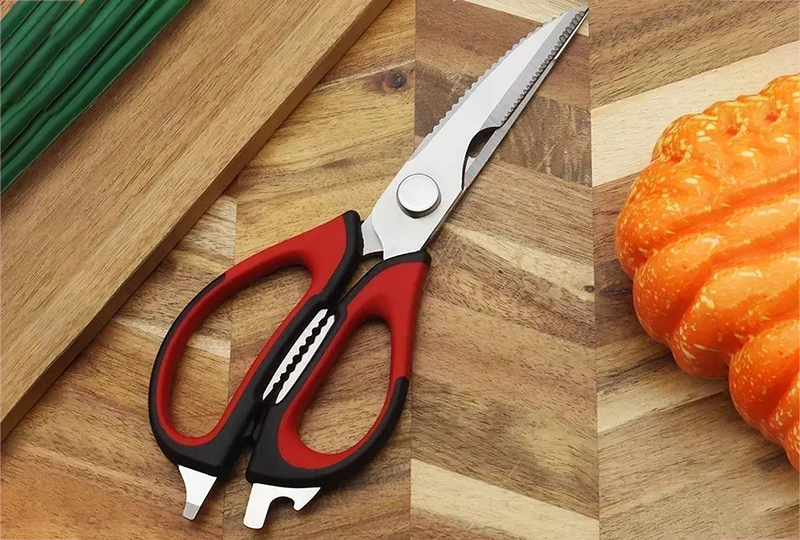
In this in-depth tutorial on how to use kitchen scissors for prepping fish, you will learn:
- Why micro-serrated kitchen scissors grip slippery fish better than many knives.
- Practical, step-by-step ways to clean, portion, and trim fish using scissors.
- An easy steamed fish recipe that showcases scissors in every prep step.
- How to choose and maintain high-quality scissors designed for fish prep.
This guide is designed to be practical and highly actionable, so you can immediately apply each technique in your kitchen.
When working with fish, the biggest frustration is often the slippery skin and delicate flesh. Even a sharp knife can slide over salmon or other fish skin, forcing you to chase the fillet around the board. This makes prep messy, slow, and sometimes unsafe.
High-quality kitchen scissors solve this problem with micro-serration on the lower blade. The lower blade has tiny grooves that grip the fish skin or fins, while the upper blade slices down cleanly. This creates more stability and precision, giving you:
- Better control over slippery surfaces.
- Cleaner cuts through skin and thin bones.
- Safer handling with less risk of the fish slipping.
<strong>Suggested image:</strong> A close-up shot of micro-serrated scissor blades gripping fish skin.
Knives are essential tools, but scissors can be a powerful complement, especially for fish. In many common prep scenarios, scissors are actually easier to control and more forgiving.
Key advantages of using kitchen scissors for prepping fish include:
- Better performance on slippery skin thanks to micro-serration.
- Intuitive, familiar motion that feels natural even for beginners.
- Ability to trim and portion fish directly over a pan, steamer, or dish to reduce mess.
In many kitchens, scissors are still underused, even though they are perfect for everyday fish preparation tasks. Below are the most practical and effective uses.
Fins and tails often get in the way during cooking and plating. They can burn, snag on cookware, and make a dish look less refined.
Use kitchen scissors to:
- Trim dorsal, pectoral, and tail fins from whole fish for a cleaner shape.
- Remove sharp or bony edges that might damage cookware or injure hands.
- Refine the tail for a more polished, restaurant-style presentation.
This simple step improves both safety and visual appeal.
For firm fish with skin on, cutting cleanly through the skin is often the hardest part. Scissors make this easier than a knife in many cases.
Kitchen scissors help by:
- Snipping through tough skin without dragging or tearing.
- Cutting through small pin bones or thin rib bones on smaller fish.
- Creating uniform strips or chunks for stir-fries, stews, and grills.
Short, controlled snips give you more precision than long knife strokes, especially on delicate fillets.
Once the fish is filleted, scissors make portioning fast and consistent. This is useful for both family dinners and professional service.
You can:
- Cut a large fillet into four or more even portions.
- Trim thin edges that may overcook or dry out too quickly.
- Shape pieces to fit steaming baskets, parchment packets, or pan size.
Consistent portions help ensure even cooking and more attractive plating.
The following workflow is a practical approach you can use for most types of firm fish, such as salmon, snapper, or other similar species.
Before you start, make sure your workstation is secure and comfortable:
- Use a non-slip cutting board, placing a damp towel underneath if needed.
- Keep a pair of dedicated kitchen scissors close at hand.
- Pat the fish dry with paper towels to reduce slipping and improve grip.
A stable setup is essential for both safety and clean cuts.
Start by cleaning up the exterior of the fish:
1. Hold the fish firmly by the body or tail.
2. Use the micro-serrated blade of your scissors to grip the base of each fin.
3. Snip off dorsal and pectoral fins with short, controlled cuts.
4. Trim off ragged skin, belly fat, or uneven edges to create a more regular shape.
This improves both cooking performance and the final appearance of the dish.
Next, divide the fish into cooking portions:
1. Decide how many portions you want (for example, four pieces from about two pounds of fish).
2. Cut straight down through the skin with your scissors, spacing the cuts evenly.
3. Adjust each piece by trimming thin corners or flaps so that all portions are similar in size and thickness.
This method makes it easier to plate consistent portions and helps each piece cook at the same rate.
Kitchen scissors are also excellent for herbs and aromatics used in fish recipes. Instead of pulling out a knife and extra board, you can:
- Snip green onions directly into a bowl or onto the fish.
- Cut cilantro, chili, and other herbs into fine pieces with quick snips.
- Add aromatics straight into steaming parcels, foil packs, or banana leaf wraps.
This reduces cleanup and keeps your workflow smooth and efficient.
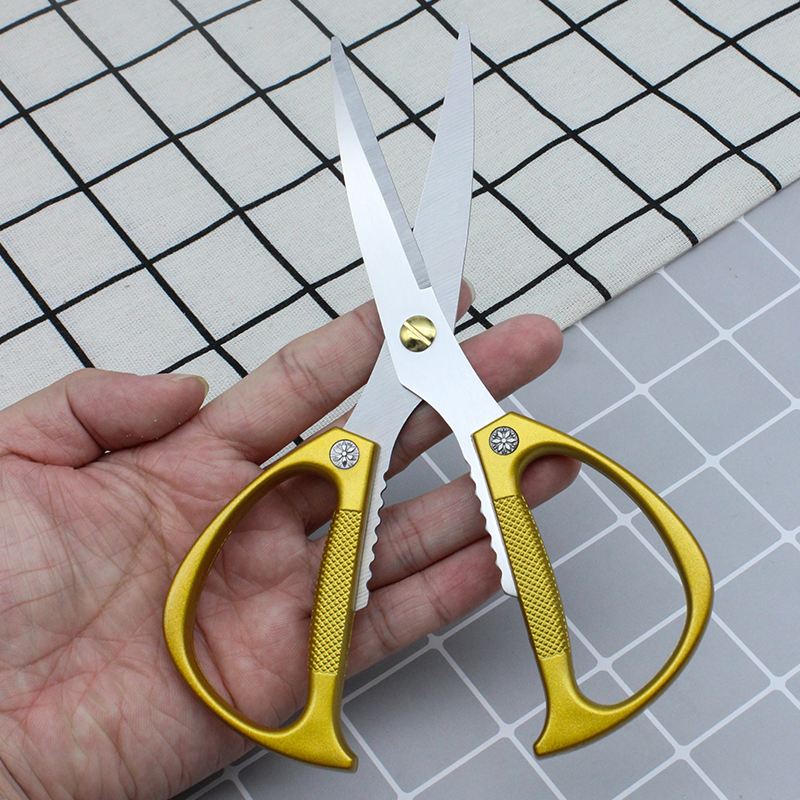
This easy steamed fish recipe shows how kitchen scissors can make every stage of prep faster and more precise, from cutting banana leaves to portioning the fish.
- 2 lb firm fish, filleted and cut into 4 portions, skin on
- 1 small bunch green onions, minced
- 2 inches ginger, grated (about 2 tbsp)
- 2 cloves garlic, minced
- 1 tbsp lime juice
- 1/2 tbsp fish sauce
- 1–2 Thai chilis, pith and seeds removed, finely diced
- Banana leaves and twine for steaming package
- Generous handfuls of torn coriander for garnish
Kitchen scissors are useful in several specific steps of this recipe:
- Cutting banana leaves into sections large enough to wrap each fish portion.
- Trimming fish fillets into neat, uniform portions for even steaming.
- Snipping green onions and coriander directly into the mixing bowl or onto the fish.
Using scissors here reduces prep time and improves presentation.
1. If the banana leaves are frozen, set them aside to defrost or rinse briefly under warm water until flexible.
2. Using your kitchen scissors, cut two sections of banana leaf, both large enough to wrap around the fish. Place one on your work surface, then place the second crosswise on top.
3. Set the fish portions in the center of the crossed leaves.
4. Combine green onions, ginger, garlic, lime juice, fish sauce, and chilis into a wet paste.
5. Spread the paste over the fish so the surface is speckled with red, green, and yellow.
6. Fold the banana leaves to create a tightly sealed parcel around the fish, and secure it with twine.
7. Bake or grill the parcel at 350°F for 10–20 minutes, depending on the thickness of the fish. The trapped liquid inside will gently steam the fish.
8. Serve the fish directly on the opened banana leaves and garnish with torn coriander.
This method delivers tender, aromatic fish with minimal cleanup.
Banana leaves might seem unusual if you have not used them before, but they offer several advantages:
- They are renewable and can go into the green bin or directly into the garden.
- They store well in the freezer and are typically inexpensive.
- They have a lower environmental impact than foil and add a subtle aroma to the dish.
Combined with scissors, banana leaves become very easy to size, fold, and secure.
Using banana leaves for steaming fish is both practical and environmentally conscious. Kitchen scissors make it simple to adapt this method to any kitchen.
Key benefits include:
- Easy customization of leaf size using scissors, so each parcel fits the fish perfectly.
- Moist, flavorful results because the package traps steam and natural juices.
- Reduced reliance on disposable foil, with leaves that can be composted.
This combination of efficient prep and greener cooking makes banana leaf steaming an excellent modern choice.
Selecting the right scissors is essential if you want consistent performance on fish. Not all scissors are created equal, and the details matter.
When choosing kitchen scissors for prepping fish, consider the following features:
- Micro-serrated lower blade for better grip on skin and fins.
- Sturdy, full-length blades that can handle thicker portions without bending.
- Comfortable, ergonomic handles that provide good leverage and reduce hand fatigue.
- Food-safe, corrosion-resistant materials that are easy to wash and sanitize.
Keeping a dedicated pair of scissors specifically for food prep helps maintain both hygiene and sharpness.
Over time, even high-quality scissors will show signs of wear. It may be time to replace or professionally sharpen your scissors if:
- The blades no longer cut cleanly through fish skin.
- Pieces start to tear or crush instead of being neatly snipped.
- You see visible rust, pitting, or damage on the metal.
Regular inspection and timely replacement will keep your fish prep consistent and safe.
Proper cleaning and maintenance extend the life of your scissors and help prevent cross-contamination in the kitchen.
Best practices include:
- Washing scissors immediately after use in warm, soapy water.
- Paying attention to the pivot joint where small bits of fish can get trapped.
- Rinsing thoroughly to remove soap and residue.
- Drying completely with a clean towel before storage to prevent rust.
- Storing scissors in a dry place, ideally in a sheath or organized drawer insert.
A clean, sharp pair of scissors is safer, more pleasant to use, and delivers better results every time.
The table below summarizes how kitchen scissors compare with knives for common fish prep tasks.
Task | Kitchen Scissors | Kitchen Knives |
Trimming fins and tail | High control, minimal slipping, precise snips | Less precise on slippery fins, requires more skill |
Portioning fillets | Easy, straight cuts through skin and flesh | Excellent for very large fillets with practiced technique |
Cutting herbs and aromatics | Can be done directly into bowls or parcels | Requires cutting board, more cleanup |
Working in tight spaces (parcels) | Ideal for snipping inside banana leaf or parchment | Awkward angles in enclosed packages |
Learning curve for beginners | Intuitive and forgiving for new cooks | More practice needed for consistent, clean cuts |
This overview shows why many modern kitchens now treat scissors as a primary tool for fish prep rather than just a backup.
Kitchen scissors are not only useful at home; they also play an important role in professional environments. When service is busy and consistency is critical, scissors can save time and reduce errors.
In a professional kitchen, cooks can use scissors to:
- Quickly portion fish fillets into exact sizes for standardized plating.
- Trim fins and tails during batch processing with less fatigue.
- Switch efficiently between herbs, aromatics, and fish without constantly changing knives.
By offering speed, control, and repeatable results, scissors can help restaurant teams maintain both quality and efficiency during service.
If you regularly cook fish at home or in a professional kitchen, now is the perfect time to upgrade your tools and techniques. A well-designed pair of kitchen scissors can transform the way you trim, portion, and prepare fish, making every step faster, safer, and more precise. Review your current setup, choose a dedicated pair of high-quality kitchen scissors for fish prep, and start applying the techniques in this guide so that every fillet, whole fish, and steamed parcel looks and tastes exactly the way you want.
Contact us to get more information!
Yes, kitchen scissors are safe to use on raw fish, as long as they are made from food-safe materials and cleaned thoroughly after each use. Proper washing and drying help prevent cross-contamination and maintain hygiene.
Ideally, you should keep a dedicated pair of scissors for raw proteins like fish, poultry, and meat, and another pair for herbs and general tasks. This approach helps protect against cross-contamination and keeps blades performing at their best.
Yes, knives are still essential for certain tasks such as fine filleting, removing skin from large fish, and cutting through large bones. Kitchen scissors are a powerful complement, particularly for trimming, portioning, and detailed work, but they do not completely replace knives.
The right sharpening interval depends on how often you use your scissors and what you cut with them. If you notice dragging, tearing, or a loss of precision, it is time to sharpen or replace them. Many high-quality scissors can be professionally sharpened to restore their performance.
Yes, parchment paper and foil both work well for steaming fish. However, banana leaves offer a more sustainable option, add a gentle aroma, and can be cut to size quickly with kitchen scissors. They also provide an attractive, natural presentation for serving.
1. https://ciselier.com/blogs/news/how-to-use-kitchen-scissors-prepping-fish


