
English 


Views: 222 Author: Amanda Publish Time: 2026-02-11 Origin: Site


Content Menu
● The Story Behind Europe's Oldest Scissor Maker
● Inside the Solingen Workshop: Craft, Machines, and a Drop Forge
● Timeline of the Herder Legacy
● Solingen, the City of Blades, and Why It Matters
● What Makes Friedrich Herder Scissors Distinctive?
● Global Reach: From Europe to Asia, the Middle East, and South America
● Preserving Heritage While Modernizing Production
● How Collectors and Professionals Value Herder Scissors
● Practical Tips for Choosing Heritage‑Quality Scissors
● How Heritage Brands Fit into Today's Scissor Supply Chain
● Call to Action: Build Your Own Cutting‑Tool Portfolio
● FAQs About Friedrich Herder and Heritage Scissor Making
>> 1. Why is Friedrich Herder considered Europe's oldest scissor maker?
>> 2. What does the ace of spades logo on Herder scissors mean?
>> 3. Are Friedrich Herder scissors still made in Solingen?
>> 4. What types of scissors does Friedrich Herder produce today?
>> 5. How do heritage brands like Friedrich Herder compare to modern OEM scissor manufacturers?
Friedrich Herder is widely recognized as the oldest surviving scissor and knife maker in Europe, with roots that reach back to the Thirty Years War and a formal founding date of 1727 in Solingen, Germany. Today, a father‑and‑son team, Benno and Stephan Burghaus, are carrying this heritage into the 21st century by reviving production, expanding product lines, and reconnecting the brand with global markets.
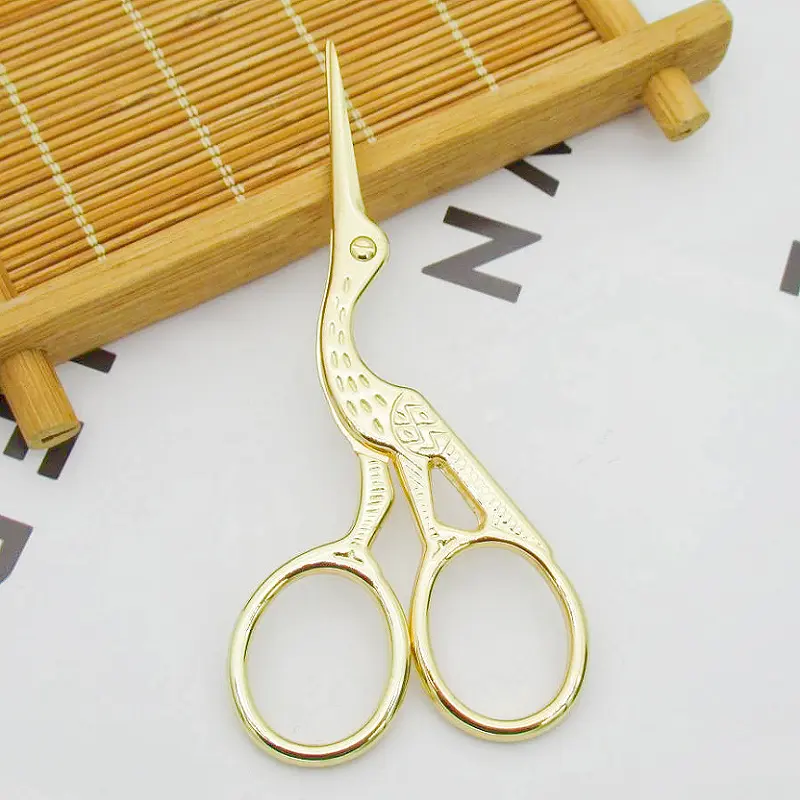
Friedrich Herder traces its craft lineage to at least the early 17th century, when the Herder family produced swords in the Solingen region during the Thirty Years War (1618–1648). The company's official history began on February 27, 1727, when Peter Herder registered the famous “Schoppenass” or ace of spades trademark with the Solingen courts, a symbol still associated with the brand today.
Over time, the company evolved from sword‑making to a broader range of knives, scissors, and steel tools, becoming one of Solingen's longest‑established cutlery and scissor makers. This continuity makes Friedrich Herder a reference point whenever historians, collectors, or knife enthusiasts talk about the oldest operating scissor manufacturers in Europe.
Benno and Stephan Burghaus merged their own steelware firm with the Friedrich Herder brand in 2015 after the death of the previous owner, stepping in at a crucial moment for the company's future. Benno had already supplied Friedrich Herder for 15 years and brought with him decades of expertise in knives and scissors as both a master grinder and a skilled “nagler,” responsible for the precise fitting and finishing of scissors.
Stephan, trained as an engineer, complements his father's traditional craft with a focus on modernizing machinery, restoring production capacity, and improving process efficiency at the historic factory site on Obere Dammstrasse in Solingen. With Benno in his 60s and Stephan in his early 30s, leadership is gradually shifting to the next generation, giving the brand a realistic path forward for the coming decades.
The Friedrich Herder operation sits within a complex of industrial buildings in Solingen, including an old drop forge whose falling hammer you can literally feel through the floor from outside the facility. This environment reflects Solingen's long heritage as the “City of Blades,” where shared forging infrastructure, skilled labor, and guild traditions have supported generations of cutlery makers.
Within the factory, much of today's focus is on the final assembly and finishing of scissors and knives, steps that demand meticulous precision and experienced handwork. Stephan's ambition is to move beyond finishing and rebuild full in‑house production capacity for both knives and scissors, combining updated machinery with historic know‑how preserved in the company's old design dies and records.
Year / Period | Milestone |
1618–1648 | Herder ancestors make swords during the Thirty Years War in the Solingen region. |
1727 | Peter Herder formally founds the company and registers the “Schoppenass” (ace of spades) trademark with the Solingen courts. |
18th–19th centuries | Friedrich Herder develops into one of Solingen's key cutlery and scissor manufacturers. |
20th century | The firm continues producing knives, scissors, razors, and other steel goods through major political and economic changes. |
2015 | Benno and Stephan Burghaus merge their steelware business with Friedrich Herder after the death of the previous owner. |
2020s | The Burghaus family rebuilds production capacity, expands product ranges, and positions the brand for its 300th anniversary. |
Solingen's reputation as the “City of Blades” grew from a combination of high‑quality local steel, water‑powered forges, and strong guild traditions that protected and refined steel‑working skills over centuries. By the late 17th century, there were already hundreds of families and workshops producing swords and steel products in the area, giving Solingen a status comparable to historic centers like Toledo and Damascus.
For Friedrich Herder, being located in Solingen is not just geographic; it is part of their brand identity and product promise. Customers associate Solingen with long‑lasting sharpness, durable steel, and hand‑finished blades, all of which support the perceived quality and authenticity of Herder scissors and knives.
Friedrich Herder's scissors are known for their traditional Solingen grind, high‑quality carbon and stainless steels, and classic handle shapes that have changed little over decades. Many models carry the historic ace of spades logo, connecting modern products directly to the company's 18th‑century trademark and giving collectors and professionals a visible link to the brand's past.
Typical product ranges include kitchen and household scissors, tailor's shears, professional utility shears, and specialty cutting tools that are still ground and finished with substantial handwork in Solingen. This combination of manual craftsmanship and carefully maintained machinery is one reason Herder remains attractive to enthusiasts who seek tools from the oldest continuously operating scissor and knife makers in Germany.
Stephan Burghaus sees significant opportunity in extending Friedrich Herder's presence outside Europe, particularly in Asia, the Middle East, and South America. By leveraging heritage branding and updating production, the company is positioning its scissors and knives as premium options for international retailers, distributors, and specialist cutlery shops.
This global orientation aligns with broader trends in the cutlery and scissors industry, where historic brands from Solingen increasingly collaborate with overseas partners on distribution, branding, and sometimes OEM or private‑label projects to reach niche markets while preserving their own identity.
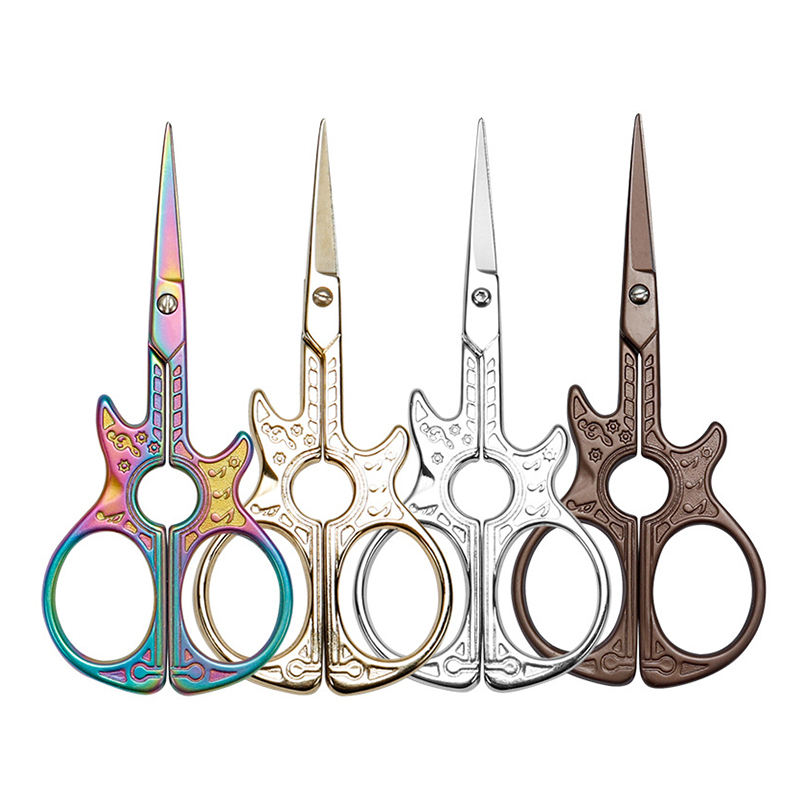
Reviving a centuries‑old brand is not just about restarting machines; it involves reconciling historical designs with current safety standards, material availability, and customer expectations. Stephan's engineering background helps him assess which traditional processes should be preserved for quality and which can be optimized with modern equipment, digital measurement, and better workflow planning.
At the same time, access to the company's archives—old design dies, records, and pattern books—gives the Burghaus team a rich foundation for reissuing classic models or adapting heritage patterns into new lines of scissors and knives. This balance between authenticity and modernization is central to Friedrich Herder's long‑term appeal for collectors and working professionals alike.
Knife and razor collectors often seek older Friedrich Herder pieces for their distinctive maker marks, edge geometry, and connection to Solingen's long cutlery tradition. At the same time, working users—chefs, tailors, and craftspeople—continue to rely on Herder scissors and knives because they deliver predictable performance, easy sharpening, and a familiar feel in the hand.
Online communities, specialty retailers, and cutlery experts frequently highlight Friedrich Herder as an example of a Solingen firm that has survived waves of industrial change, consolidation, and offshoring while continuing to produce in Germany. That narrative of endurance contributes strongly to its perceived value and supports premium pricing relative to mass‑produced alternatives.
Buyers interested in brands like Friedrich Herder can use a few simple criteria to evaluate whether a pair of scissors reflects true heritage quality rather than just vintage‑style marketing. Looking at how the scissors are made, what they are made from, and who stands behind them gives a good indication of long‑term performance and value.
Key checks when evaluating heritage scissors:
1. Origin and markings – Confirm that the scissors are marked “Solingen” and bear a registered trademark such as the ace of spades for Friedrich Herder.
2. Material – Look for high‑carbon or quality stainless steel specified by the maker, ideally with details on hardness and corrosion resistance.
3. Grinding and finishing – Examine the uniformity of the blade grind, the smoothness of the cutting action, and how cleanly the blades meet along the edge.
4. Serviceability – Check whether the maker or retailer offers sharpening, adjustment, or repair services for the product line.
5. Brand history and transparency – Review how clearly the manufacturer explains its history, production location, and processes on its website or product literature.
In the current global market, heritage brands like Friedrich Herder coexist with large‑scale OEM and private‑label manufacturers that supply international retailers and house brands. Many professional buyers use heritage makers for flagship or premium collections while sourcing volume lines from specialized OEM factories that focus on cost efficiency, customization, and large‑batch production.
From a strategic perspective, this hybrid model allows retailers and distributors to offer a tiered assortment: historically significant Solingen products at the top end, complemented by high‑quality OEM scissors tailored to local preferences, packaging, and price points. For end customers, the benefit is a wider choice between tradition‑rich hand‑finished tools and more affordable, design‑flexible options that still meet modern performance expectations.
If you are a brand, retailer, or professional user who values authentic European scissor heritage, Friedrich Herder offers a rare opportunity to connect with a manufacturer whose roots go back nearly 300 years. By combining Solingen‑made scissors and knives from a historic maker with reliable OEM partners for broader ranges, you can build a differentiated, credible cutting‑tool portfolio that stands out in a crowded market.
Now is an ideal moment to review your current assortment, identify where heritage blades can elevate your offer, and explore long‑term partnerships with both traditional Solingen makers and modern OEM manufacturers. Taking this step will help you deliver better tools for your customers, strengthen your positioning, and future‑proof your cutting‑tool range in an increasingly competitive global marketplace.
Contact us to get more information!
Friedrich Herder is regarded as Europe's oldest surviving knife and scissor maker because its formal founding dates to 1727, and its craft heritage traces back to sword production during the Thirty Years War. Few other cutlery firms in Europe can document an unbroken lineage of this length in the same location and trade.
The ace of spades, or “Schoppenass,” is the historic trademark registered by Peter Herder in Solingen in 1727 and remains closely associated with the company. Its presence on a blade signals a direct connection to the original Friedrich Herder brand and its Solingen origins.
Yes, Friedrich Herder continues to operate from Solingen, Germany, where production and finishing of knives and scissors take place under the guidance of the Burghaus family. The brand leverages Solingen's long‑standing expertise in steel, grinding, and hand finishing to maintain quality standards expected of the “City of Blades.”
Current ranges include household and kitchen scissors, tailor's shears, utility shears, and specialty blades, often sold through specialty cutlery shops and professional retailers. Many models emphasize traditional designs with hand‑finished edges, reflecting the company's long history in professional cutting tools.
Heritage brands such as Friedrich Herder offer deep historical credibility, traditional Solingen craftsmanship, and strong storytelling potential, making them ideal for premium segments. Modern OEM manufacturers, by contrast, excel at high‑volume, customizable production for global brands and wholesalers, often focusing on flexible designs, competitive pricing, and tailored private‑label solutions.
1. https://ciselier.com/blogs/news/friedrich-herder-oldest-scissor-maker-in-europe
2. https://ciselier.com/blogs/news/meet-solingen-s-historic-scissor-makers-wasa-robuso-and-friedrich-herder
3. https://en.wikipedia.org/wiki/Scissors
4. https://www.lakesidetrader.com/Education/Maker-Mark/Friedr.-Herder-Abr.-Sohn-Solingen-RZM-M7-49/index.php
5. https://www.lakesidetrader.com/Education/Maker-Mark/H.-Herder-Solingen/index.php
6. https://www.kingfordhomeware.com/ (or latest official site URL for Kingford / OEM industry context)
7. https://www.windmuehlenmesser.de/en/150-years-windmuehlenmesser/history-of-the-robert-herder-company/
8. https://bernalcutlery.com/collections/friedr-herder-scissors-shears


