
English 


Views: 222 Author: Amanda Publish Time: 2026-02-10 Origin: Site


Content Menu
● What Are Heritage Craft Scissors?
● Sheffield: The City That Put Scissors on the Map
● The Origins of William Whiteley: From Forge Pond to Factory
● Eleven Generations of Scissor Makers
● Royal Warrants and a Tailor's Legend
● The Sidebent Design: A Small Change That Changed Everything
● Craft Scissor Making Today: From Horse Hair to Golf Greens
● Cutting the Uncuttable: Kevlar, Dyneema, and Carbon Fibre
● Why Heritage Craft Scissors Still Matter in a Mass-Produced World
● Heritage Scissors vs. Mass-Produced Scissors
● How to Choose the Right Heritage Craft Scissors for Your Work
● Maintaining Heritage Craft Scissors: Best-Practice Care
● How Heritage Makers Collaborate With Modern Brands and Industries
● When to Choose a Heritage-Level OEM Scissor Manufacturer
● Clear Call to Action: Transform Cutting Heritage Into Your Competitive Edge
● Frequently Asked Questions (FAQ)
>> FAQ 1: What makes heritage craft scissors different from regular scissors?
>> FAQ 2: Why is Sheffield so famous for scissors and cutlery?
>> FAQ 3: Are heritage scissors worth the higher price?
>> FAQ 4: Can one pair of scissors be used for everything?
>> FAQ 5: How do industrial partners work with heritage scissor makers or OEM manufacturers?
In the world of heritage craft scissors, few names command as much respect as William Whiteley of Sheffield, England. For more than two and a half centuries, this family-owned maker has combined traditional scissor-making skills with continuous innovation, keeping the art of handcrafted scissors alive in a mass-production era.
In this guide, you will discover how a historic scissor manufacturer has evolved from water-powered forges to cutting carbon fibre and Kevlar, why Sheffield became synonymous with world-class cutting tools, and what makes true heritage craft scissors different from generic, low-cost alternatives.

Heritage craft scissors are hand-forged cutting tools produced using traditional techniques, often in the same region and sometimes by the same families for generations. Unlike disposable scissors, they are designed to be sharpened, repaired, and used for decades, sometimes across multiple owners.
- Hand-forged or hand-finished blades with precise alignment.
- High-grade steels that balance hardness with durability.
- Skilled craftspeople trained through long apprenticeships.
- Strong ties to historic manufacturing centres such as Sheffield in the UK.
Sheffield has been England's center of iron smelting and steelworking for almost a thousand years, evolving into a global hub for cutlery, scissors, and knives. Located in South Yorkshire, about 65 km east of Manchester, the city played a central role during the Industrial Revolution when new steel technologies transformed metalworking.
From the 18th to the 20th century, Sheffield's scissor makers benefitted from advances such as crucible steel and later stainless steel, which enabled extremely sharp, durable cutting edges. At its peak, Sheffield supported many scissor workshops and outworkers, with thousands of craftsmen contributing to products exported worldwide.
Even today, the phrase “Made in Sheffield” remains a shorthand for high-quality handmade scissors and shears, despite the sharp decline caused by low-cost mass production. Only a handful of firms now continue the tradition, including William Whiteley and Ernest Wright, both of which still handcraft scissors in the city.
The story of William Whiteley begins in the 18th century, when an ancestor of the Whiteley family started making scissors in an area called White Lea, where a small river was dammed to form a forging pond. The water pressure from this pond powered a water wheel, which in turn drove forging hammers and grinding wheels used to shape and finish early blades.
Incorporated in 1760, William Whiteley is widely recognized as one of the oldest documented scissor and shear manufacturers in the Western world. Founder William Whiteley later moved operations into the Sheffield area in 1787, embedding the company inside the city that would become the epicentre of British scissor-making.
Over time, the firm expanded from small workshop production to a more structured factory model, while still retaining many hand processes such as grinding, assembly, and quality inspection. Today, the company remains relatively small in headcount but maintains a global reputation for professional and industrial scissors.
One of the most striking aspects of William Whiteley is its continuous family ownership and leadership. The current leadership represents the 11th generation connected to the business, directly descended from the founder.
The present-day directors manage the company and oversee both traditional product lines and modern innovation projects. This continuity allows the firm to preserve specialized skills that are rarely written down and are instead passed verbally and practically from one experienced maker to the next.
This long family lineage has earned the brand a reputation as “scissor royalty” among both enthusiasts and professional users, particularly in niche fields like tailoring, textiles, and advanced composites.
In 1840, William Whiteley's scissors were awarded a Royal Warrant, an official mark signifying that the company supplied scissors to the British royal household. Royal warrants historically indicated exceptional quality and reliability, particularly for tools and goods used daily at court.
Whiteley strengthened its prestige even further in 1875 when it acquired Thomas Wilkinson & Son, another scissor maker that had been appointed Manufacturers of Scissors in Ordinary to Queen Victoria and Cutlers to Prince Albert. By integrating the Wilkinson brand, Whiteley absorbed a highly respected name in tailoring and dressmaking shears.
Among professional tailors, Wilkinson shears became prized possessions, especially in Britain's Savile Row, the famous street associated with bespoke men's tailoring. These shears are still regarded as reference tools for precise cutting in luxury garment production.
One of the most important innovations associated with the Wilkinson brand is the “sidebent” design. In this configuration, the bows (handles) of the scissors are bent upwards relative to the blades, allowing the lower blade to rest flat on the cutting surface.
This seemingly simple geometry delivers three critical benefits for tailors and dressmakers:
- Stability: The lower blade stays in contact with the table, reducing fabric shifting.
- Precision: Long, clean cuts become easier, especially in heavy or layered fabrics.
- Comfort: The raised handles improve ergonomics during extended cutting sessions.
This patented design essentially created the blueprint for modern dressmaking and tailoring shears. Most contemporary professional fabric shears now follow the same sidebent principle, even when produced by other makers.
Despite its deep heritage, William Whiteley does not limit itself to traditional household or tailoring scissors. The company actively develops specialized cutting tools for unusual materials and highly specific tasks, often in collaboration with industrial partners.
Examples of niche applications include:
- Custom scissors for trimming horse hair in equestrian grooming.
- Fine snips to cut individual blades of grass around golf course holes.
- Heavy-duty shears for industrial textiles, ropes, and composites.
Clients frequently send in physical samples of the material they need to cut, with the expectation that Whiteley will design or select the best scissors to solve that specific cutting problem. They are widely known as “solvers of cutting problems” because of this bespoke problem-solving approach.
One of Whiteley's most notable modern projects involved designing scissors capable of cutting Kevlar, the high-strength synthetic fibre used in bullet-resistant vests and protective gear. Kevlar is engineered to resist cutting and tearing, which makes it extremely difficult to process with conventional tools during manufacturing.
To tackle this challenge, the company used a crowdfunding campaign to help fund development of specialized Kevlar-cutting scissors and worked with research partners in advanced manufacturing. The goal was to create blades that could make safe, clean cuts in Kevlar fibres as they were spun onto spools, a process that had previously caused dangerous and inefficient handling issues.
The result was a line of advanced shears marketed under the Exo brand, optimized for high-performance fibres. Their exact manufacturing method is treated as a “black art,” reflecting the mix of proprietary heat treatment, blade geometry, and finishing techniques needed to cut such tough materials consistently.
Whiteley has since expanded this expertise to scissors that cut Dyneema, an even harder-to-cut ultra-high-molecular-weight polyethylene fibre, as well as carbon fibre, glass fibre, and fibre mixtures used in aerospace, automotive, and sporting goods. Demand for these specialized solutions continues to grow as more industries adopt advanced composites.

Although low-cost, mass-produced scissors dominate global sales, heritage craft scissors occupy a very different place in the market. They are valued by professionals, enthusiasts, and collectors who prioritize performance, longevity, and repairability over the lowest purchase price.
Key advantages of heritage craft scissors include:
- Longevity: High-quality steel and robust construction allow for repeated sharpening and decades of use.
- Precision: Hand-finished joints and blades deliver smoother cutting and better control, especially on fine or dense materials.
- Sustainability: Long life spans and repairability can reduce waste compared with disposable, low-grade scissors.
- Heritage value: Owning a tool with documented history and craftsmanship adds emotional and cultural significance.
For scissor makers, maintaining this standard means investing heavily in skilled labour, training, and quality control even as global competition pushes prices downward. Brands like Whiteley have survived by combining their heritage story with practical, modern performance and highly specialized products.
The table below summarises the main differences between heritage craft scissors and typical mass-produced alternatives.
Aspect | Heritage craft scissors | Mass-produced scissors |
Origin | Traditional scissor-making centres such as Sheffield. | High-volume factories often distant from historic craft hubs. |
Production | Hand-forged or hand-finished, made in small batches. | Automated stamping and assembly on large production lines. |
Materials | High-grade steels designed for sharpening and long life. | Lower-grade steels or composites optimized for cost. |
Performance | Smooth cutting, accurate tips, and long-term edge retention. | Adequate for light tasks, often struggling with thick or technical materials. |
Lifespan | Decades with proper care and sharpening. | Often discarded when dull or misaligned. |
Typical users | Tailors, textile artists, industrial technicians, collectors. | General consumers, school and office users. |
If you are considering investing in heritage craft scissors, matching the tool to your primary material is critical for both performance and blade life. Using one pair for everything from paper to carbon fibre can damage edges and reduce precision over time.
- Define your main material. Decide whether you primarily cut fabric, paper, leather, technical textiles, metals, or composites, and avoid using fabric shears on paper or cardboard.
- Choose blade length and weight. Tailors often prefer long, heavy sidebent shears for large pattern pieces, while embroiderers and crafters favour shorter, fine-point scissors for detail work.
- Select handle style. Ergonomic, offset handles reduce wrist strain during long sessions, and left-handed versions can improve control and accuracy for left-handed users.
- Consider specialist coatings or treatments. For fibres like Kevlar or carbon fibre, look for models specifically rated for those materials rather than standard steel blades.
- Plan for maintenance. Check whether the manufacturer or local sharpeners can service your specific scissors, and avoid DIY grinding that may overheat or mis-shape the blades.
Proper maintenance protects both the cutting performance and longevity of heritage scissors. Simple habits can make the difference between a lifetime tool and a prematurely worn pair.
- Clean after use. Wipe blades with a soft cloth to remove dust, fibres, and residues, especially after cutting adhesive-backed materials.
- Store dry. Keep scissors in a dry place, ideally in a pouch or case, to minimize corrosion risk.
- Use for the right material only. Reserve fabric shears for fabric, and use separate scissors for paper, plastic, or metal wire.
- Lubricate the pivot. A small drop of light oil at the screw joint keeps movement smooth and reduces wear.
- Sharpen professionally. Engage experienced sharpeners familiar with high-quality scissors rather than generic knife grinding services.
Heritage scissor makers increasingly work behind the scenes with global brands, industrial manufacturers, and specialized producers who need reliable cutting tools tailored to their processes. These collaborations allow traditional skills to be applied to modern performance requirements.
Typical collaboration models include:
- Co-developing new scissors for emerging materials such as advanced composites, safety fibres, or technical textiles.
- Supplying OEM or white-label scissors that are branded by partners but rely on heritage manufacturing expertise.
- Providing ongoing feedback loops, where factories send new material samples and receive adjusted blade geometries or treatments in return.
For manufacturers, partnering with a heritage scissor specialist reduces risk, speeds up development, and ensures operators use tools designed specifically for their production-line needs.
If you are a brand owner, wholesaler, or equipment producer, working with an experienced OEM scissor manufacturer can be the most efficient way to bring high-performance scissors or shears to market. Heritage-inspired process control, material selection, and quality standards are particularly important when your end users depend on precision, safety, and long service life.
Situations where a heritage-level OEM partner is especially valuable include:
- Launching a premium scissors line for tailoring, grooming, kitchen, or craft applications where quality is a core brand promise.
- Equipping industrial operations that must cut technical fibres, composites, or heavy textiles consistently, safely, and at scale.
- Developing white-label products that require a reliable supply chain, strict quality tolerance, and room for future customization.
By combining modern manufacturing capacity with lessons drawn from long-established makers, brands can offer scissors that are both commercially scalable and rooted in proven cutting performance.
Heritage craft scissors are more than nostalgic tools; they are precision instruments forged from centuries of experimentation, innovation, and hands-on experience. Whether you are a tailor, textile professional, industrial engineer, or brand owner, choosing the right scissors directly impacts quality, efficiency, and user satisfaction.
If you are planning an OEM or private-label scissors project, now is the time to turn these heritage principles into real products. Define your target users, core materials, and performance expectations, then partner with a specialist scissor manufacturer who can engineer a solution around them.
Take action today: map out the cutting tasks your customers face, shortlist the features that matter most, and reach out to a dedicated OEM scissor partner to design a custom solution that delivers heritage-level precision at modern production scale.
Contact us to get more information!
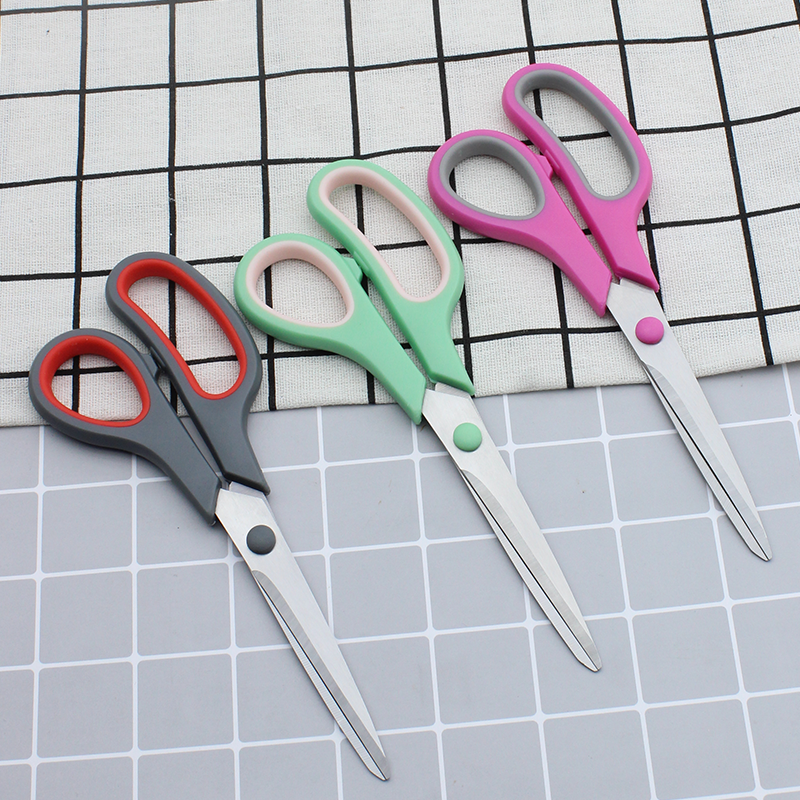
Heritage craft scissors are typically hand-finished using high-grade steel, with tight tolerances and designs optimized for specific materials such as fabric or technical fibres. Regular mass-produced scissors are often made from lower-grade materials and prioritize low cost over longevity or specialization.
Sheffield developed as an iron and steel centre over hundreds of years, and during the Industrial Revolution it pioneered processes such as crucible steel production that enabled very high-quality blades. This concentration of skills and technology made the city a global reference point for knives, scissors, and related tools.
For professionals and frequent users, heritage scissors usually offer smoother cutting, longer edge retention, and the ability to be sharpened and serviced over many years. While the initial cost is higher, the total cost of ownership can be lower than repeatedly replacing cheaper scissors.
It is not recommended to use a single pair for all materials, because cutting paper, cardboard, or abrasive fibres with fabric shears will quickly dull or damage the edge. Instead, keep dedicated scissors for specific tasks such as tailoring, paper cutting, or technical fibres.
Industrial clients typically send material samples and process requirements, and the scissor maker then designs or selects models with suitable blade geometry, steel, and heat treatment. Many of these tools are supplied under OEM or private-label agreements but rely on the manufacturer's expertise in heritage-level scissor making.
1. https://ciselier.com/blogs/news/at-william-whiteley-heritage-craft-scissors-are-a-long-family-tradition
2. https://heritagecrafts.org.uk/craft/scissor-making/
3. https://www.amrc.co.uk/news/a-cut-above-the-rest-the-western-world-s-oldest-scissor-manufacturer-develops-sharp-new-generation-of-advanced-composite-scissors
4. https://www.textileartist.org/embroidery-scissors/
5. https://www.ydscissors.com
6. https://ciselier.com/blogs/news/meet-sheffields-historic-scissor-makers
7. https://www.facebook.com/yorkshirepost.newspaper/posts/the-story-of-william-whiteley-sons-begins-in-the-cutlery-trade-of-sheffield/
8. https://www.ft.com/content/d5285d1e-dc6f-11e8-b173-ebef6ab1374a
9. https://lastyarn.com/how-the-last-remaining-manufacturer-of-scissors-survived/
10. https://www.whiteley.co.uk/advice-news/resources/why-whiteley-scissors-are-handmade/


