
English 


Views: 222 Author: Amanda Publish Time: 2026-02-09 Origin: Site


Content Menu
● What Is Meant by “Anatomy of Scissors”?
>> Scissors vs. Shears: Basic Definitions
● Key Scissor Parts and Their Functions
● 1. Bow (Handles) – Grip, Comfort, and Control
>> Ergonomics and Design of the Bow
>> Bow Terminology in Different Segments
● 2. Shanks – The Lever That Connects Handle and Blade
>> Function and Variations of Shanks
● 3. Blades – Where Cutting Performance Is Decided
>> Inner and Outer Blade Surfaces
>> The Role of the Master Finisher
● Special Blade Features in Kitchen and Multi-Purpose Scissors
>> Built-In Cracker and Opener
● 4. Pivot Screw and Nail Hole – The Hinge of the System
>> Nail Hole Positioning and Mechanics
>> Screws, Springs, and Adjustable Tension
>> Wing, Ride, Halfmoon, and Markings
● 5. Point and Tip – Precision, Safety, and Application
● How Scissor Anatomy Impacts Performance and User Experience
>> Example: Kitchen Scissors in Daily Use
● Common Types of Scissors and Their Anatomical Features
● Buyer's Checklist: Evaluating Scissor Anatomy for OEM Projects
● Maintenance and Safety: Getting the Best from Scissor Anatomy
>> Safety Practices by Anatomy
● Partner with a Professional Scissors OEM Manufacturer
● Frequently Asked Questions (FAQ)
>> 1. What are the main parts of scissors called?
>> 2. Why do some scissors have serrated blades?
>> 3. What is the difference between scissors and shears?
>> 4. How does the pivot screw affect scissor performance?
>> 5. Can scissors be re-sharpened, or should they be replaced?
For global brands, wholesalers, and OEM buyers, understanding the anatomy of scissors is the foundation for specifying the right design, performance, and cost level for your product line. In this guide, you will learn every key scissor part, how each component affects cutting performance, and what to look for when sourcing from a professional scissors manufacturer in China.
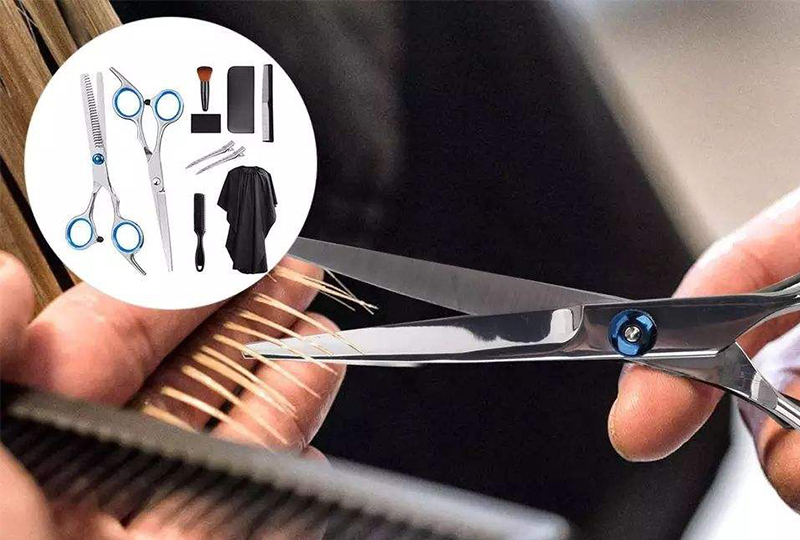
Scissor anatomy refers to the individual parts of scissors—from the bows (handles) and shanks to the blades, pivot screw, and tip—and how they work together as a balanced cutting tool. Modern pivot scissors are typically made from two pieces of forged or stamped steel joined by a screw so they operate smoothly as one unit.
- Scissors usually have blades shorter than 6 inches and two similarly sized finger holes, suitable for general household, office, and small craft use.
- Shears usually have longer blades and asymmetrical handles, with one larger bow for two or more fingers to provide extra leverage for heavy-duty cutting.
- In everyday language, buyers often use the term “scissors” for both tools, but technical scissor anatomy and performance requirements still differ by application.
Understanding each scissor part helps you evaluate quality, comfort, and durability when working with OEM manufacturers. The main components include the bow (handles), shanks, blades, pivot screw, and point or tip.
The bow is the traditional scissor term for the handles, which are hollowed out so your fingers can pass through. In high-end forged scissors, the bows are formed as part of the steel blank and then carefully shaped and finished rather than covered with plastic.
- Artisans start with a proprietary die or mould to forge the scissor shape, then punch out the bow holes from the steel.
- After forging, each half becomes a blank, which is then processed through multiple steps of sanding and grinding known as bow dressing.
- Both halves are “married” and finished together so they align as one matched pair with consistent feel and balance.
- Bow design must consider ergonomic comfort, aesthetic style, and the mechanical requirements of closing and pressing the blades together.
- As you move the bows, your fingers are not only opening and closing the blades but also pressing them laterally together to maintain cutting pressure along the edge.
- Right-handed scissors usually do not perform well for left-handed users, because the hand forces the blades apart instead of together, reducing cutting efficiency.
- The bows are sometimes called grips, and the flat surface of the bow is known as the ring flat.
- In hairdressing and beauty shears, the bows are often called ring handles, comprised of the finger ring and thumb ring.
- Professional hair scissors often add a curved extension called a tang for the little finger, plus a bumper (or silencer) to soften the impact when the handles close.
The shanks are the elongated sections that connect the bows to the blades and act like the “legs” of the scissors. They provide leverage, helping transfer hand force efficiently to the cutting edges.
- The length and geometry of the shanks influence balance, ergonomic posture, and the effort needed to cut different materials.
- In some specialized scissors, such as hair-cutting shears, a neck may be designed between the shank and bow to improve finger positioning and reduce wrist strain.
- In kitchen scissors, the shanks may integrate functional features such as a cracker or other utility functions, making them more than just connectors.
The blades are the heart of scissors, and their geometry, hardness, and alignment determine cutting quality. A high-end manufacturer invests heavily in blade design, heat treatment, and finishing to deliver consistent cutting performance for many years.
- The outside or backside of each blade is the dull exterior, which is not sharpened and contributes to rigidity.
- The inside surfaces of the blades form the actual cutting edges and must be carefully ground and honed.
- Scissor makers commonly refer to the two inside blades as the thumb blade and finger blade.
- High-quality scissors are manufactured with a subtle curve so the blades touch only at a single moving contact point as they close.
- This controlled line of contact ensures even pressure along the cut, preventing snagging and allowing a clean, straight cut.
- Achieving the correct curve and tension requires skilled finishing and cannot be replicated in low-cost, poorly aligned products.
- In traditional workshops, the master finisher fine-tunes the blades using careful hammering and micro-adjustments.
- The finisher aligns the blades so they meet precisely along the cutting edge, maintaining an accurate curve and tension.
- This level of craftsmanship explains why professional scissors are significantly more complex to produce than knives.
Kitchen and household scissors often include multi-function designs to support food preparation and general household tasks. These specialized features add value for end users and can differentiate your OEM product line.
- Many kitchen scissors use a serrated blade to grip slippery materials like chicken skin or fish, minimizing slippage during cutting.
- A semi-circular notch in the bottom blade can hold bones or tough stems securely while they are cut.
- The serrated edge can also be used sideways to scrape fish scales, offering an added food-prep function.
- Some kitchen models integrate a cracker in the shanks to handle nuts or shellfish such as crab legs.
- You may also find a built-in opener on the bow area, designed for twisting or lifting caps and lids.
- These multi-functional details make kitchen scissors a compact, high-value tool for both home and professional kitchens.
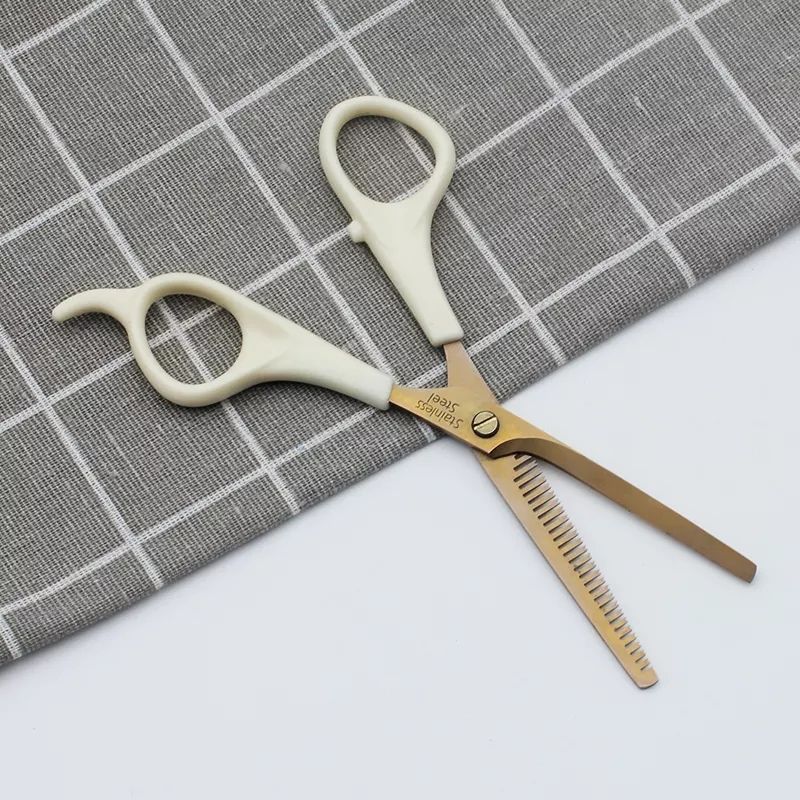
The pivot screw and its surrounding area control how smoothly the blades move and how well they stay aligned over time. The placement and quality of this component directly influence cutting effort, stability, and longevity.
- After forging, each blank is drilled or tapped at a nail hole, whose location is precisely defined in the die or mould.
- The joint acts as a fulcrum, while the handles act as levers, translating small finger movements into strong cutting force.
- Correct positioning of the nail hole for each scissor size ensures proper balance, torque, and structural stability in use.
- Modern scissors typically use screws rather than rivets, allowing tension to be adjusted as the tool wears or loosens.
- Some designs include internal springs or tension systems; while convenient, they still rely on precise manufacturing of the blades and pivot.
- In certain kitchen scissors, the blades can be separated from the pivot for easy cleaning and then snapped back together.
- The flat area around the pivot where blades overlap is sometimes called the wing, ride, halfmoon, under, or between.
- Makers often stamp their brand name, origin city, or matching numbers on these surfaces.
- Number markings help ensure that each finished pair is re-assembled from its original matched blanks, preserving optimal fit.
The point is where the tips of both blades meet when scissors are fully closed. The geometry of the tip affects safety, precision, and suitability for specific jobs.
- Sharp tips are ideal for detailed work such as embroidery, tailoring, and precision cutting in crafts.
- Blunt tips are safer for children, first-aid kits, and certain medical or textile applications where accidental puncture must be avoided.
- Some designs combine one blunt and one sharp blade tip to balance accessibility with safety.
- Straight blades give strong mechanical advantage and are better for cutting thick or tough materials.
- Curved blades can improve visibility and maneuverability when working close to surfaces or around curves.
- Matching blade shape with end use is an important part of OEM scissor design and specification.
Every element of scissor anatomy—from handle shape to blade curve—affects how the tool feels and performs in daily use. When evaluating or designing scissors with a manufacturer, it is essential to connect component choices to real user needs.
- Cutting efficiency: Determined by blade sharpness, curvature, and pivot tension.
- Comfort and ergonomics: Driven by bow shape, shank length, and weight distribution.
- Durability and service life: Affected by steel grade, heat treatment, and the ability to re-sharpen blades over time.
A well-designed pair of kitchen scissors with serrated blades, a bone notch, and an integrated cracker can replace several separate tools in a modern kitchen. Poorly aligned or low-quality models, however, may crush fibers instead of cutting cleanly, require more force, and wear out quickly.
Different scissor types use the same fundamental anatomy but with customized proportions, blade profiles, and handle designs. This customization allows OEM manufacturers to create highly targeted products for household, professional, or industrial use.
Scissor Type | Key Anatomical Features | Typical Applications |
Household scissors | Symmetrical bows, straight blades, standard pivot screw. | Paper, light packaging, general home use. |
Kitchen scissors | Serrated blade, bone notch, cracker in shanks, robust pivot. | Poultry, herbs, seafood, light food-prep tasks. |
Tailor shears | Long blades, offset handle, heavy shanks, large screw head. | Fabric cutting, garment production, upholstery. |
Hairdressing scissors | Ring handles, tang, finely ground blades, precise tension system. | Hair cutting, salon work, detailed trimming. |
Safety / school scissors | Blunt tips, plastic-covered bows, mild blade curve. | Children's crafts, classrooms, basic paper cutting. |
When sourcing from a professional scissors manufacturer or planning a private-label range, use scissor anatomy as a quality checklist. This helps align technical features with your brand positioning and target customer.
- Check the bows and ergonomics. Confirm comfortable finger fit, good surface finish, and balanced feel in both right and (if relevant) left hand.
- Inspect the shanks and leverage. Assess length and stiffness to ensure easy cutting of the target materials.
- Test the blade action. Open and close slowly to feel a smooth, even contact with no dead spots or looseness.
- Examine tip design. Verify that the point style (sharp or blunt) matches safety and precision requirements.
- Review special features. For kitchen or multi-purpose scissors, evaluate serrations, bone notches, crackers, and openers for real usability.
- Decide whether your market needs basic household scissors or differentiated models with premium steel and artisan finishing.
- Specify handle and blade design separately for right-handed, left-handed, or ambidextrous users.
- Confirm that your manufacturer can maintain consistent blade curve, hardness, and pivot tension across large production runs.
Proper maintenance preserves the built-in advantages of high-quality scissor anatomy over years of use. It also reduces safety risks in homes, workshops, and professional environments.
- Keep blades clean and dry to prevent corrosion and maintain smooth contact surfaces.
- Store scissors closed to protect the point and avoid accidental cuts.
- Have blades professionally sharpened when cutting performance declines instead of applying excessive force.
- Choose blunt tips for children, schools, and certain medical uses, especially where users lack training.
- For industrial or textile work, ensure that longer blades and heavier shanks are matched with appropriate training and storage.
- Inspect pivot screws periodically; tightening loose screws reduces wobble and prevents unexpected blade separation.
If you are a brand owner, wholesaler, or manufacturer looking to develop or upgrade your scissors range, understanding scissor anatomy is only the first step. The next step is to work with an OEM partner who can turn these technical details into reliable, market-ready products that match your specifications and branding.
A professional scissors OEM manufacturer can support you with material selection, blade and handle design, functional feature integration, and packaging that fits your positioning. By collaborating closely on scissor anatomy and performance targets, you can build a differentiated product line that delivers comfort, durability, and superior cutting performance to your end users.
Ready to turn precise scissor anatomy into commercial success? Contact our OEM team today to discuss your target market, application requirements, and customization needs, and start developing a dedicated scissors range that is engineered for your brand and built for long-term performance.
Contact us to get more information!
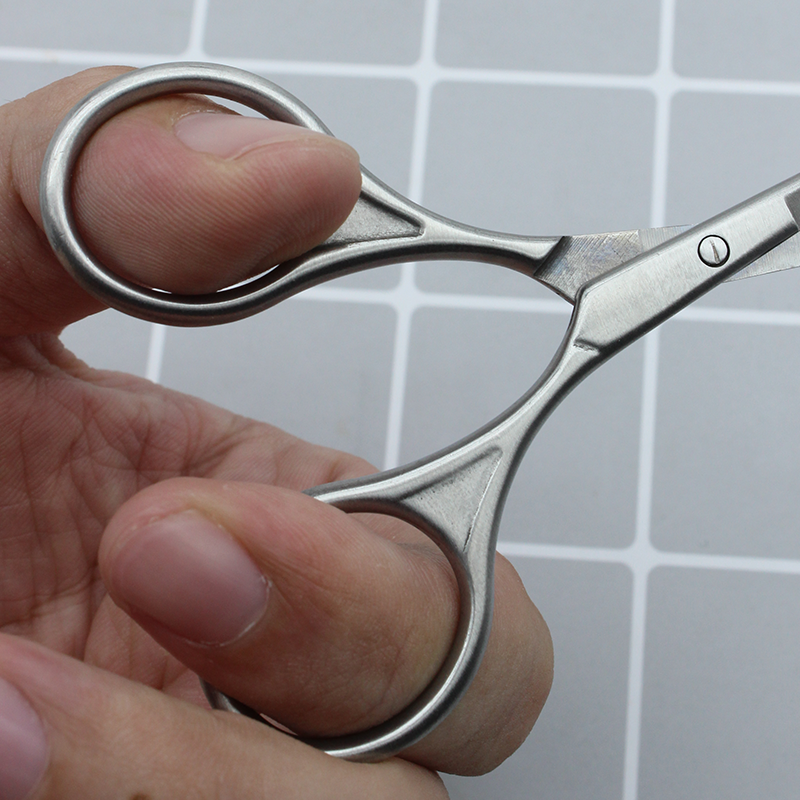
The main parts include the bows (handles), shanks, blades, pivot screw or rivet at the joint, and the point or tip where the blades meet when closed. Some specialized scissors also add features such as tangs, bumpers, serrations, and bone notches.
Serrated blades grip soft or slippery materials like meat, poultry, and certain fabrics so they do not slide during cutting. This improves control and delivers a cleaner, safer cut, especially in kitchen and utility scissors.
Scissors typically have blades under about 6 inches and two similar finger holes, suitable for light to medium-duty cutting. Shears usually feature longer blades and an offset handle with one larger bow, giving extra leverage for heavy materials such as fabric or upholstery.
The pivot screw holds the two blades together and sets the tension that controls how smoothly they open and close. If it is too loose, the blades will separate and fail to cut; if too tight, the scissors will feel stiff and tiring to use.
High-quality scissors made from good steel are designed to be re-sharpened many times, greatly extending their service life. Very low-cost models may not justify professional sharpening and are often treated as disposable once their blades become dull.
1. https://ciselier.com/blogs/news/anatomy-of-a-scissors
2. https://www.duroxtools.com/blogs/new-scissors-page-2/complete-guide-to-scissor-parts-functions-and-terminology
3. https://www.visualdictionaryonline.com/clothing-articles/personal-accessories/hairdressing/haircutting-scissors_1.php
4. https://wolffindustries.com/pages/scissors-and-shears-terms
5. https://nixceroutlet.com/understanding-the-anatomy-of-hair-cutting-scissors/
6. https://www.tondeo.com/en/scissors-knowledge
7. https://wcvm.usask.ca/vsac205/Lab1/scissors.php
8. https://ciselier.com/blogs/news/why-quality-handmade-scissors-are-more-expensive-and-worth-every-penny
9. https://ciselier.com/pages/faq-1


